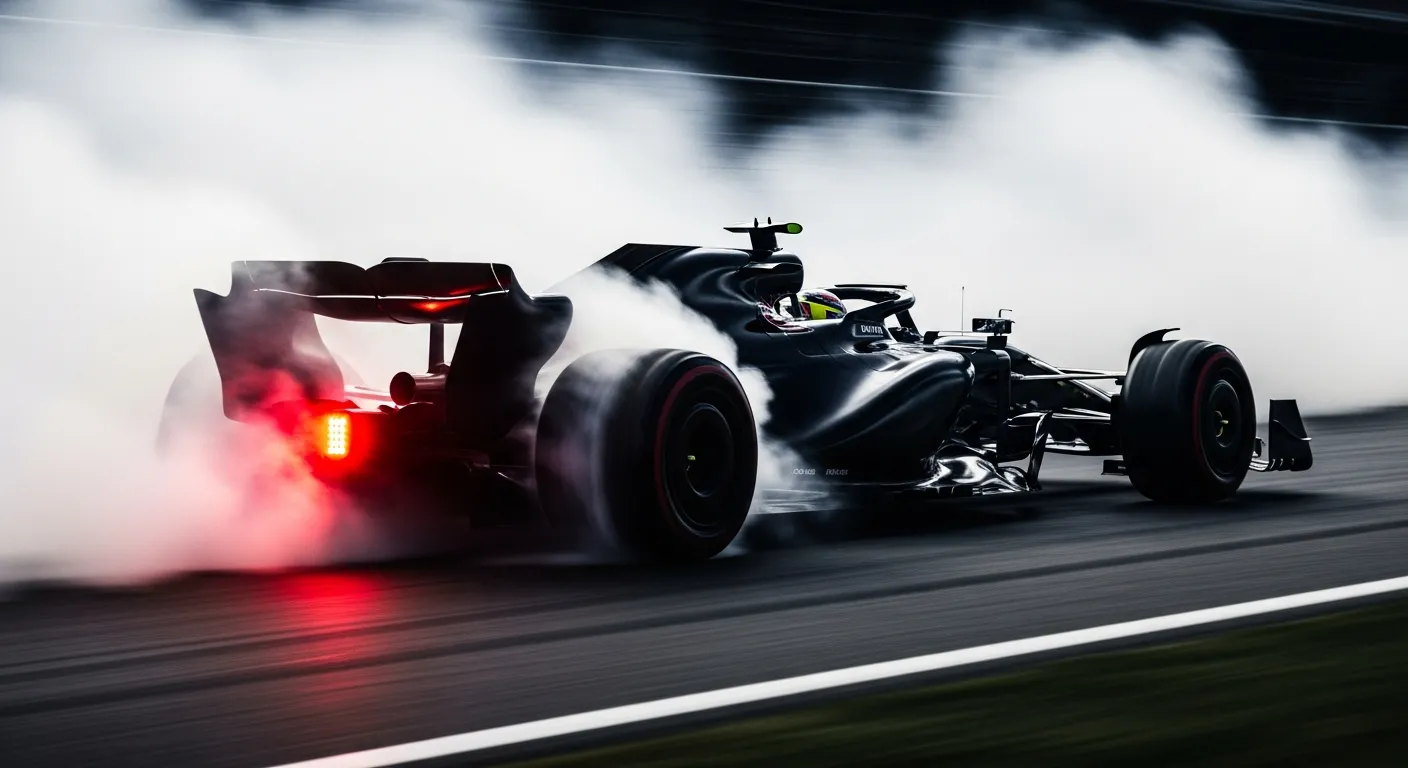
George Russell's outing at the 2019 United States Grand Prix on November 3, 2019, at the Circuit of the Americas, saw him navigate the Williams Grand Prix Engineering car from an 18th-place grid start. Over the course of the race, he advanced one position to finish 17th. Russell completed 54 laps of the total 56, classified two laps down from the race winner, Valtteri Bottas, who secured victory for Mercedes AMG F1. His fastest lap of 1:41.239 was recorded on the 54th lap, ranking him 17th among all competitors for that metric. This result, while not contributing to his points tally, was characteristic of a challenging season for the British driver and his team. For a deeper dive into the operational framework of Formula 1, the [FIA — F1 World Championship](https://www.fia.com/events/fia-formula-one-world-championship) provides comprehensive regulatory details. The event also saw a premature end for his Williams teammate, Robert Kubica, who retired on lap 31 due to an “Oil leak”, having started 19th. This mechanical issue highlighted the technical hurdles faced by Williams throughout the 2019 campaign. Despite the car's inherent limitations, Russell's ability to consistently bring the car home, completing the majority of the race distance, was a testament to his driving. His performance, even when competing at the rear of the field, offered valuable telemetry and feedback for the engineering team. Such efforts, even without points, are crucial for long-term development, a dynamic seen across the grid, from established teams to emerging talents like [Alexander Albon at the 2026 Australian Grand Prix](/results/2026-albert-park-alex-albon), [Esteban Ocon at the 2026 Australian Grand Prix](/results/2026-albert-park-esteban-ocon), or [Carlos Sainz at the 2026 Australian Grand Prix](/results/2026-albert-park-carlos-sainz). The official [Formula 1 — official site](https://www.formula1.com/en) serves as the primary resource for current and historical race information. For those interested in the broader statistical landscape of the sport, general F1 data sources like [Jolpica/Ergast — 2026 season data](https://api.jolpi.ca/ergast/f1/2026.json) offer extensive datasets. The comprehensive history and evolution of the sport are thoroughly documented on [Wikipedia: Formula One](https://en.wikipedia.org/wiki/Formula_One).
Verified race record · Ergast
Grid