Lando Norris's performance at the 2019 Brazilian Grand Prix, held at the challenging Autódromo José Carlos Pace, saw the McLaren driver convert a mid-grid start into a valuable points-scoring finish, contributing to a significant weekend for the Woking-based team. Starting from 10th on the grid, Norris navigated a race ultimately defined by late-stage drama and multiple safety car periods. He completed all 71 laps of the event, recording a final race time of 1:33:25.882. His fastest lap of 1:12.328, achieved on lap 63, placed him 7th among all drivers for that metric, demonstrating the underlying pace of the McLaren MCL34. This consistent drive allowed him to gain two positions from his starting grid slot, ultimately securing 8th place and adding 4 points to his championship tally. The broader context of the race highlighted McLaren's strategic execution. While Norris delivered a strong, composed performance, it was his teammate, Carlos Sainz Jr., who captured headlines with a remarkable drive from 20th on the grid to finish 3rd. This collective effort underscored McLaren Racing's competitive resurgence in the 2019 season. The race itself was punctuated by incidents, including a late-race collision between the two Ferrari drivers, Sebastian Vettel and Charles Leclerc, and a penalty for Lewis Hamilton, which reshaped the final standings. Such events often create opportunities, and McLaren capitalized effectively. For a broader understanding of how such incidents can shift race dynamics, one can consult the [Formula 1 — official site](https://www.formula1.com/en) for race reports and detailed analysis. The strategic decisions made under pressure, particularly during safety car periods, are crucial in modern [Formula One](https://en.wikipedia.org/wiki/Formula_One) racing, where even a slight misstep can cost positions. Norris's ability to maintain his composure and execute his race plan, similar to how drivers like [Pierre Gasly at the 2024 Mexico City Grand Prix](/results/2024-mexico-city-pierre-gasly) must adapt to evolving race conditions, was key to his points finish. The data from this specific round, and indeed for all F1 seasons, is meticulously archived, providing a rich resource for analysis, as exemplified by data providers like [Jolpica/Ergast — 2026 season data](https://api.jolpi.ca/ergast/f1/2026.json). The unpredictable nature of circuits like Interlagos means that drivers must always be prepared for sudden changes, a lesson that drivers such as [Lance Stroll at the 2024 Mexico City Grand Prix](/results/2024-mexico-city-lance-stroll) have experienced with unexpected retirements due to mechanical issues. Norris's finish, alongside his teammate's podium, painted a picture of a team on an upward trajectory.
Race result · 2019
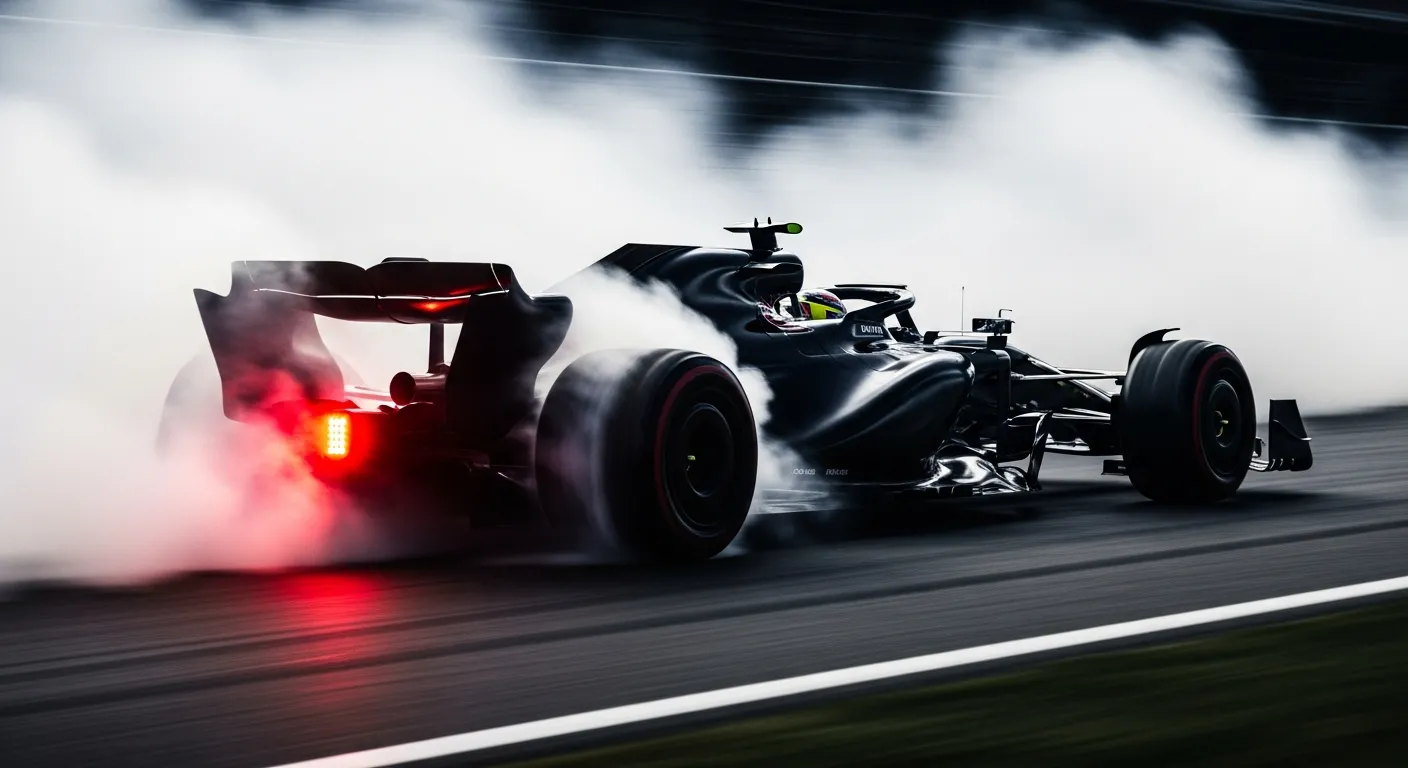
Lando Norris at the 2019 São Paulo Grand Prix
Lando Norris secured an 8th place finish at the 2019 Brazilian Grand Prix, starting from 10th on the grid and completing all 71 laps to add 4 points to his season tally for McLaren Racing.
- 8th
- 4 pts
- McLaren Racing