The 2019 Canadian Grand Prix at Circuit Gilles Villeneuve saw Lewis Hamilton navigate a challenging race from his second-place grid start to ultimately claim the top step of the podium. On June 9, 2019, Hamilton, driving for Mercedes AMG F1, completed all 70 laps of the Montreal circuit in a total time of 1:29:07.084. His performance was a testament to consistent race management and strategic execution, particularly against the Scuderia Ferrari of Sebastian Vettel, who started from pole position. The race developed into a close battle, with Hamilton maintaining significant pressure throughout. The Circuit Gilles Villeneuve, known for its high-speed sections and demanding chicanes, requires a precise driving style and robust car setup, elements that Mercedes AMG F1 consistently optimizes. The intricacies of Formula 1 racing often boil down to such fine margins, as demonstrated in events like [Max Verstappen at the 2021 Saudi Arabian Grand Prix](/results/2021-jeddah-max-verstappen), where every decision and lap time carries significant weight. For a broader understanding of the sport's structure, the [Formula 1 — official site](https://www.formula1.com/en) provides comprehensive details on race weekends and regulations overseen by the [FIA — F1 World Championship](https://www.fia.com/events/fia-formula-one-world-championship). Hamilton's fastest lap, a 1:14.813 on lap 62, placed him fourth overall in the fastest lap rankings for the event, showcasing his late-race pace even as his teammate Valtteri Bottas recorded the fastest lap of the race with a 1:13.078 on lap 69, securing an additional point. The British driver's ability to extract performance when needed was evident, securing the full 25 points. This result further solidified his championship standing, a recurring theme in his career, much like his later efforts, including [Lewis Hamilton at the 2021 Saudi Arabian Grand Prix](/results/2021-jeddah-lewis-hamilton). The dynamic between drivers and their machinery, as seen in the development efforts of the [Mercedes AMG F1 team's operations](https://www.mercedesamgf1.com/), is critical for success in a competitive season. The data from this event, along with historical records, can be explored through resources like [Jolpica/Ergast — 2026 season data](https://api.jolpi.ca/ergast/f1/2026.json), offering a deep dive into statistical race outcomes. The narrative of the 2019 Canadian Grand Prix underscores how strategic driving and team support are paramount in securing a victory, a dynamic also observed in the competitive drives of rivals like [Charles Leclerc at the 2021 Saudi Arabian Grand Prix](/results/2021-jeddah-charles-leclerc). For more historical context on the pinnacle of motorsport, [Wikipedia: Formula One](https://en.wikipedia.org/wiki/Formula_One) offers extensive information, including specific details on the [official Formula 1 Canadian Grand Prix information](https://www.formula1.com/en/racing/2019/Canada.html).
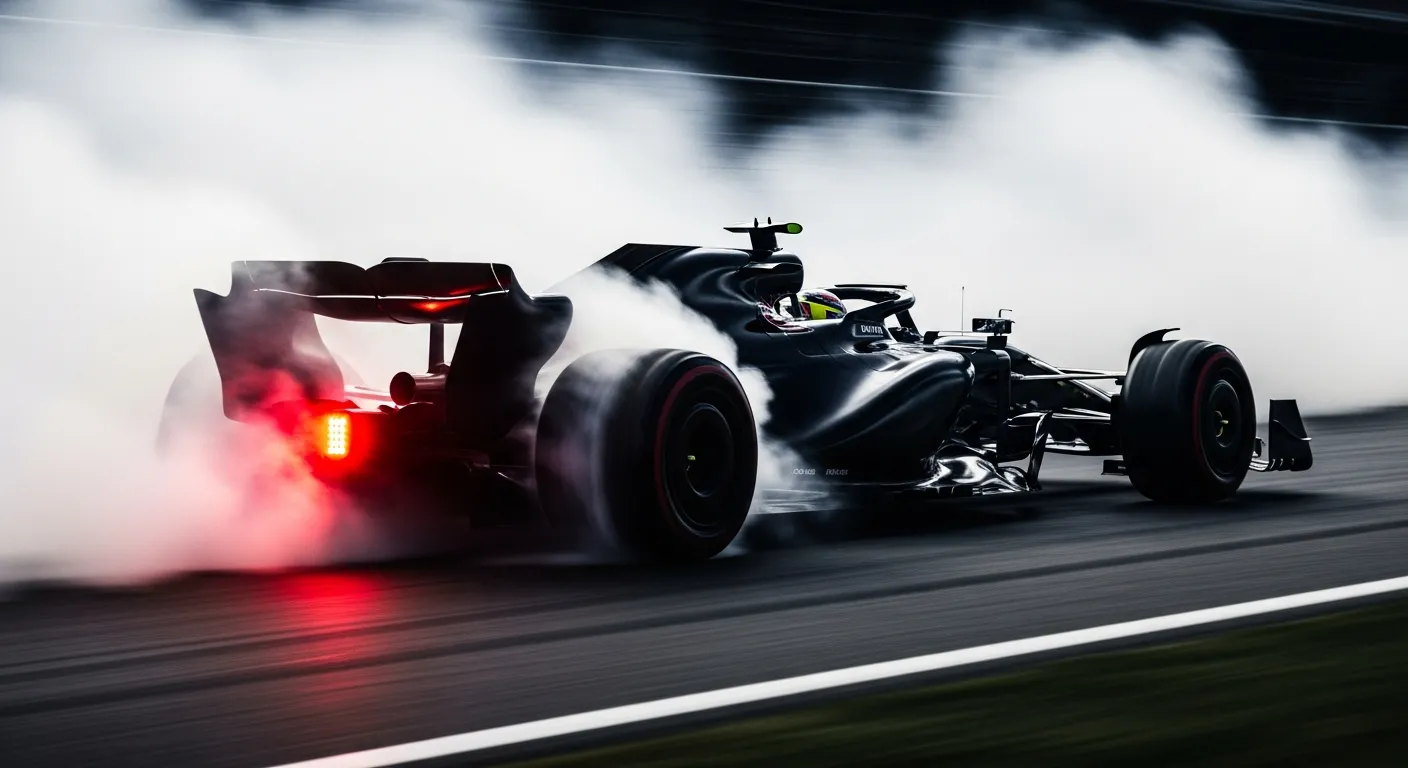
Race result · 2019
Lewis Hamilton at the 2019 Canadian Grand Prix
Lewis Hamilton secured a hard-fought victory at the 2019 Canadian Grand Prix, starting from second on the grid and completing all 70 laps to claim 25 points for Mercedes AMG F1.
- 1st
- 25 pts
- Mercedes AMG F1