Carlos Sainz's 2019 Italian Grand Prix at the Autodromo Nazionale Monza was cut short on lap 27 due to a critical wheel issue, halting what had been a promising run for McLaren Racing after starting from seventh on the grid. The Spanish driver, piloting the McLaren MCL34, had positioned himself well in the opening phase of the race, maintaining a competitive pace on a circuit known for its high-speed demands. His fastest lap of 1:25.637 on lap 10, ranking 19th overall among all drivers, reflected his effort to consolidate his position within the midfield pack. The "Wheel" status retirement meant an abrupt end to his race, denying him any opportunity to convert his strong qualifying performance into championship points. This incident underscored the mechanical fragility that can impact even well-executed race strategies, a common challenge in the demanding world of [Formula 1 — official site](https://www.formula1.com/en) racing, where every component is pushed to its limit. The retirement was a significant setback for Sainz and McLaren, particularly as his teammate, Lando Norris, managed to navigate the demanding Monza circuit to finish in the points, securing a P10 finish and adding a single point to the constructor's tally. This contrast highlighted the fine margins in F1, where one car can finish while another from the same garage faces an early exit due to unforeseen circumstances. For Sainz, who had maintained a consistent presence in the points throughout the 2019 season, this DNF at Monza was a missed opportunity to further solidify his championship standing. The race itself was a high-octane affair, with Charles Leclerc ultimately taking victory, a performance that captivated the Italian crowd and showcased the raw speed required at Monza. Understanding the broader context of F1 regulations and race procedures is crucial for appreciating such events, as detailed by the [FIA — F1 World Championship](https://www.fia.com/events/fia-formula-one-world-championship) guidelines. While Sainz's day ended early in 2019, his subsequent performance at the [Carlos Sainz at the 2020 Italian Grand Prix](/results/2020-monza-carlos-sainz) would tell a different story, showcasing his resilience and adaptability. The detailed data from such races contributes to the comprehensive [Jolpica/Ergast — 2026 season data](https://api.jolpi.ca/ergast/f1/2026.json) archives, allowing for in-depth historical analysis of driver and team performances across seasons. The complexities of vehicle mechanics, as explored on [Wikipedia: Formula One](https://en.wikipedia.org/wiki/Formula_One), often dictate a driver's fate, and a wheel issue is a stark reminder of this reality. Even seasoned competitors like [Nico Hülkenberg at the 2020 Italian Grand Prix](/results/2020-monza-nico-hulkenberg) have experienced the unpredictable nature of Monza's high-speed demands. This particular race also saw strong performances from drivers like [Charles Leclerc at the 2020 Azerbaijan Grand Prix](/results/2020-baku-charles-leclerc), who often feature prominently in competitive F1 seasons, as evidenced by the official [Formula 1 — official site](https://www.formula1.com/en) records. The technical aspects of F1 are continuously evolving, and maintaining vehicle integrity is paramount for any team competing in the [FIA — F1 World Championship](https://www.fia.com/events/fia-formula-one-world-championship) series.
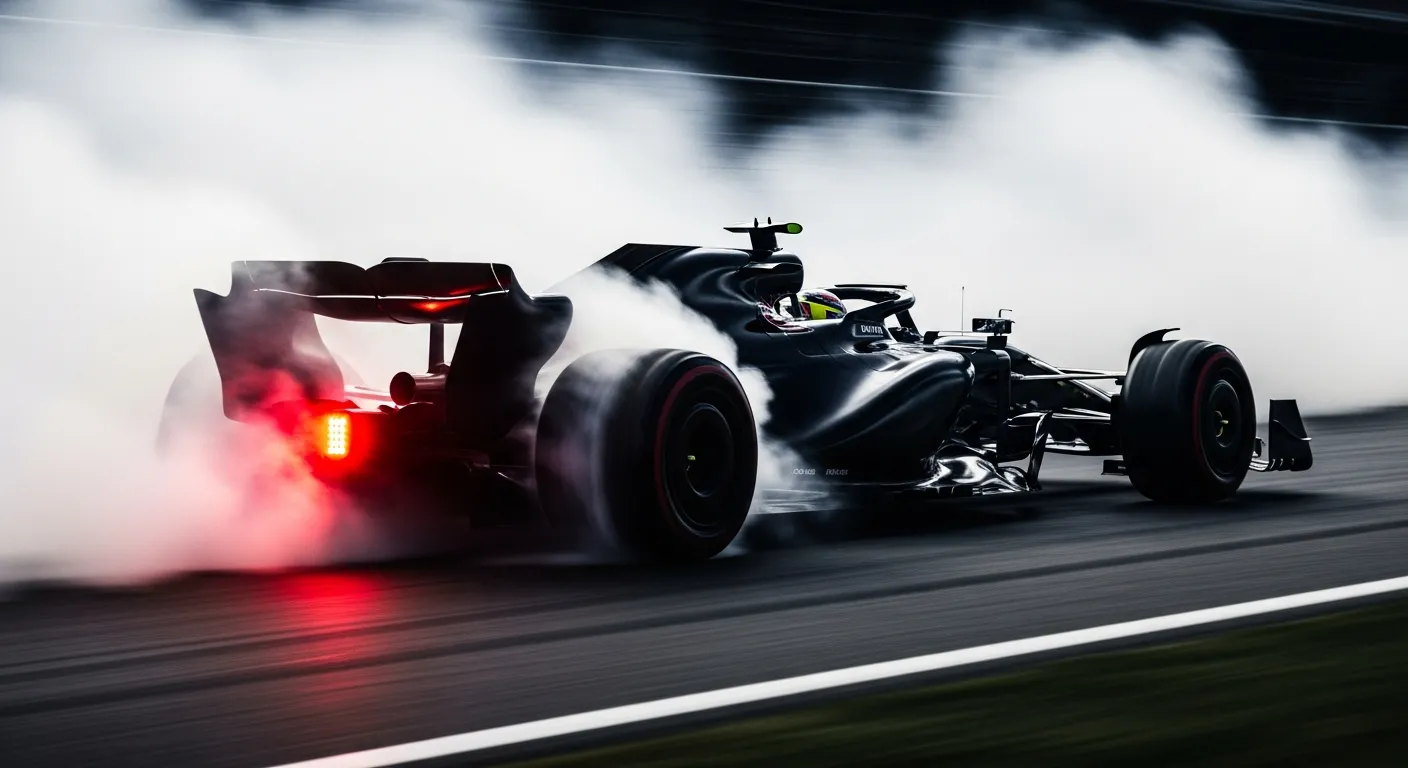
Race result · 2019
Carlos Sainz at the 2019 Italian Grand Prix
Carlos Sainz's 2019 Italian Grand Prix campaign ended prematurely on lap 27 due to a critical wheel issue, preventing him from scoring points after starting P7 for McLaren Racing.
- Wheel
- 0 pts
- McLaren Racing