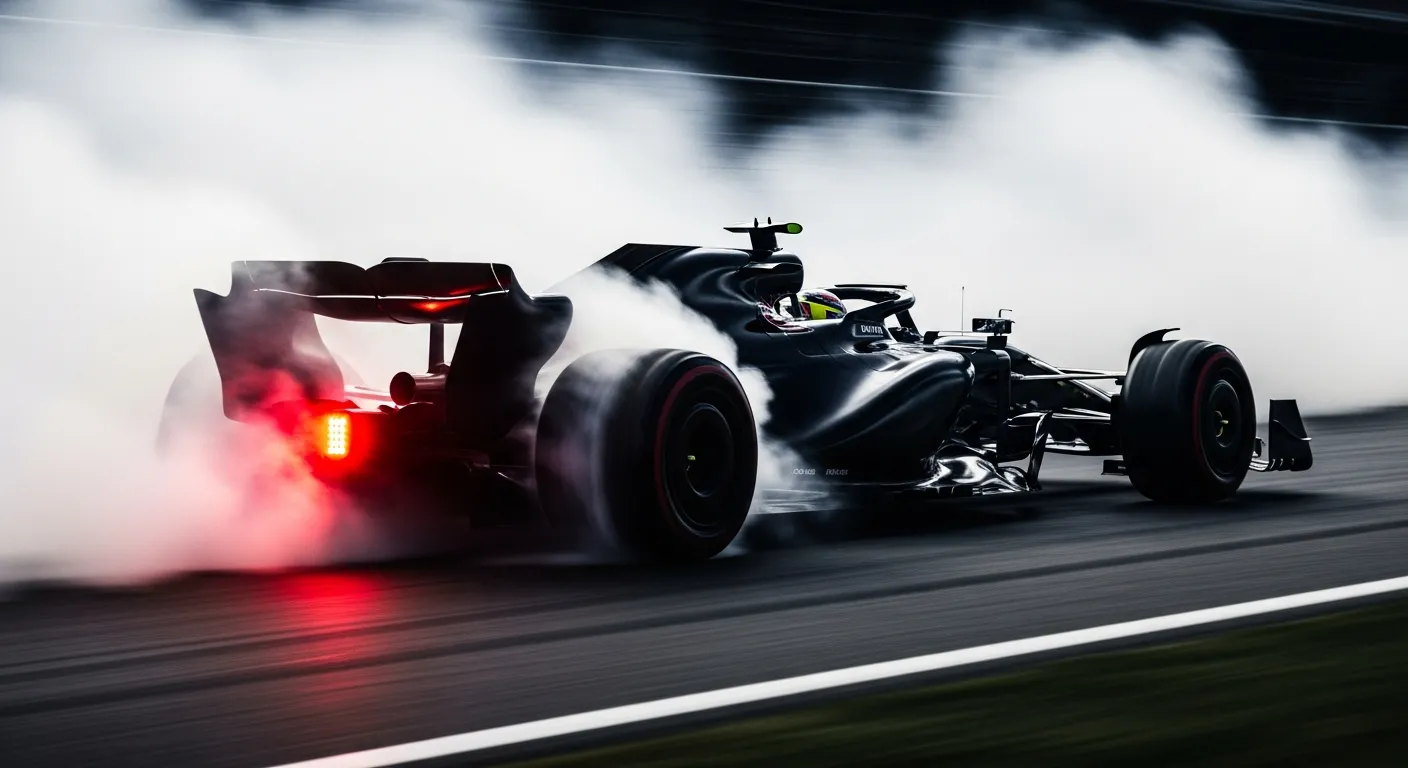
Lando Norris's third Formula 1 outing at the 2019 Chinese Grand Prix presented an early challenge, starting his McLaren MCL34 from the 15th position on the grid at the Shanghai International Circuit. The race, held on April 14, 2019, saw the young British driver navigating the competitive midfield, aiming to build on his points-scoring debut in Bahrain. However, his race trajectory was significantly impacted by an incident that resulted in collision damage. While the specific details of the contact are not fully elaborated in the official results, the damage was sufficient to compromise his car, leading to an eventual retirement. Norris completed 50 of the 56 scheduled laps, demonstrating his persistent effort despite the compromised state of his McLaren. His fastest lap, a 1:38.346, was recorded on lap 37, placing him 15th fastest overall in that metric for the event. This early career setback highlights the unforgiving nature of F1 racing, where a single incident can dramatically alter a driver's Sunday outcome, a lesson many drivers, including [Lando Norris at the 2021 Dutch Grand Prix](/results/2021-zandvoort-lando-norris), would encounter throughout their careers. For more comprehensive race details, refer to the [Formula 1 — official site](https://www.formula1.com/en).
The "Collision damage" status meant Norris was classified in 18th position, but crucially, he scored no points for McLaren Racing that weekend. This contrasted with his teammate, Carlos Sainz Jr., who, starting from 14th on the grid, managed to bring his car home in 14th position, albeit a lap down. The incident at Shanghai underscored the steep learning curve for rookie drivers in Formula 1, where managing race incidents and preserving the car are paramount, especially when vying for midfield positions. The damage sustained by Norris's MCL34 effectively ended his competitive run, forcing the team to retire the car before the checkered flag. The broader context of the 2019 season saw many young talents finding their footing, much like [George Russell at the 2021 Dutch Grand Prix](/results/2021-zandvoort-george-russell) would later experience in his own career. Analyzing historical F1 data, such as records available via [Jolpica/Ergast — 2026 season data](https://api.jolpi.ca/ergast/f1/2026.json), often reveals these early career challenges and the impact of DNFs on championship standings. The FIA's oversight of the [FIA — F1 World Championship](https://www.fia.com/events/fia-formula-one-world-championship) ensures consistent standards across all events, but the unpredictable nature of racing remains a constant factor. Understanding the intricacies of Formula One, as detailed on [Wikipedia: Formula One](https://en.wikipedia.org/wiki/Formula_One), helps appreciate the fine margins involved. Even seasoned drivers, like [Pierre Gasly at the 2021 Dutch Grand Prix](/results/2021-zandvoort-pierre-gasly), face similar challenges in navigating competitive fields and avoiding race-ending contact. This particular race served as a stark reminder of the fine line between a strong finish and an early exit in the demanding world of top-tier motorsport, a recurring theme across various Formula 1 seasons, as documented on the [Formula 1 — official site](https://www.formula1.com/en) and through the [FIA — F1 World Championship](https://www.fia.com/events/fia-formula-one-world-championship) records.