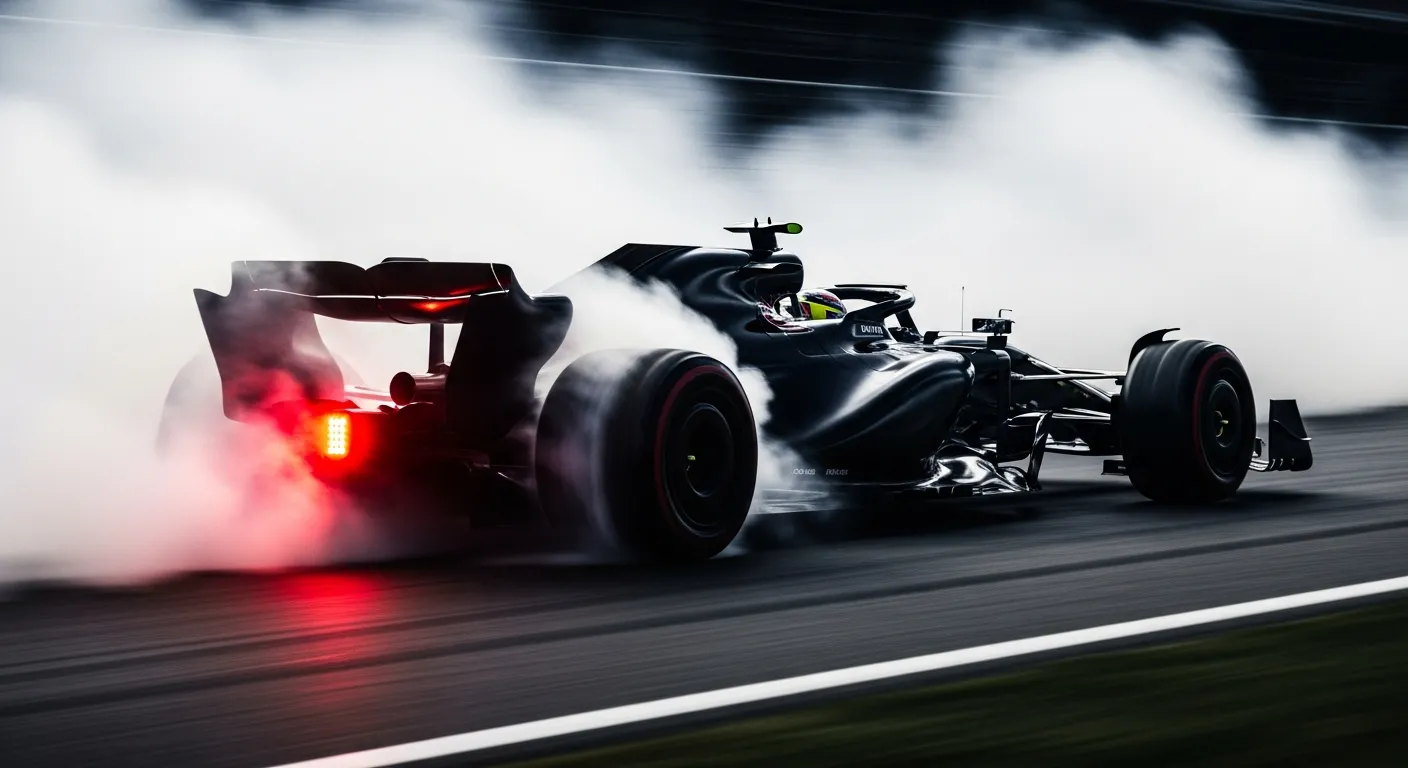
The 2019 Japanese Grand Prix saw Lance Stroll deliver a measured performance for Racing Point, converting a midfield start into a valuable points finish. Starting from 12th on the grid at the demanding Suzuka Circuit, Stroll completed 51 laps, finishing 9th and securing 2 championship points. While race winner Valtteri Bottas completed 52 laps, Stroll's classification of "+1 Lap" indicated he maintained a strong enough pace to be counted among the finishers without falling further behind the leaders, a common scenario in the competitive F1 midfield. His fastest lap of the race, a 1:34.713 recorded on lap 26, placed him 14th among all drivers, demonstrating a period of sustained pace within his stint, particularly as he navigated traffic and managed tire degradation.
This result was particularly significant for the British-based Racing Point F1 Team, as both their drivers finished in the points, a crucial outcome for their constructors' championship aspirations. Stroll's teammate, Sergio Pérez, showcased a strong recovery drive, starting from 17th and climbing impressively to an 8th-place finish, earning 4 points. Pérez's quicker fastest lap, a 1:32.621 on lap 46, ranked 7th overall, indicating the potential within the Racing Point package when fully optimized and driven aggressively. Stroll's ability to maintain position and avoid the early-race incidents that affected others, such as Max Verstappen's retirement due to collision damage and the unclassified Renaults of Daniel Ricciardo and Nico Hülkenberg due to brake bias issues, was crucial for his points haul. The strategic importance of consistent lap times and tire management on a circuit known for its high-speed corners and technical demands cannot be overstated, a factor often highlighted in [Formula 1 — official site](https://www.formula1.com/en) race analyses.
Stroll's drive at Suzuka, moving up three positions from his starting grid slot, underscored the incremental gains that define a successful weekend for teams outside the top three constructors. This performance, while not a podium, was a testament to executing a clean race and extracting available performance, a challenge familiar to many drivers, including [Nico Hülkenberg at the 2014 Bahrain Grand Prix](/results/2014-bahrain-nico-hulkenberg) where strategic consistency was key to his strong finish. The detailed [Jolpica/Ergast F1 data](https://api.jolpi.ca/ergast/f1/2026.json) provides granular insights into lap times and race progression, illustrating the consistent pace Stroll maintained throughout his 51 laps, allowing him to capitalize on others' misfortunes and secure a top-ten finish. Such drives contribute significantly to a team's championship standing, a core aspect of the [FIA — F1 World Championship](https://www.fia.com/events/fia-formula-one-world-championship). The focus on race management and maximizing the car's potential on race day is a recurring theme in [Wikipedia: Formula One](https://en.wikipedia.org/wiki/Formula_One) history, and Stroll's 2019 Japanese Grand Prix effort fits within that narrative, securing points against a highly competitive midfield. This race also serves as a point of comparison for other drivers who excelled in challenging circumstances, such as [Nico Hülkenberg at the 2014 Emilia Romagna Grand Prix](/results/2014-imola-nico-hulkenberg), where consistent performance was key to a strong result.