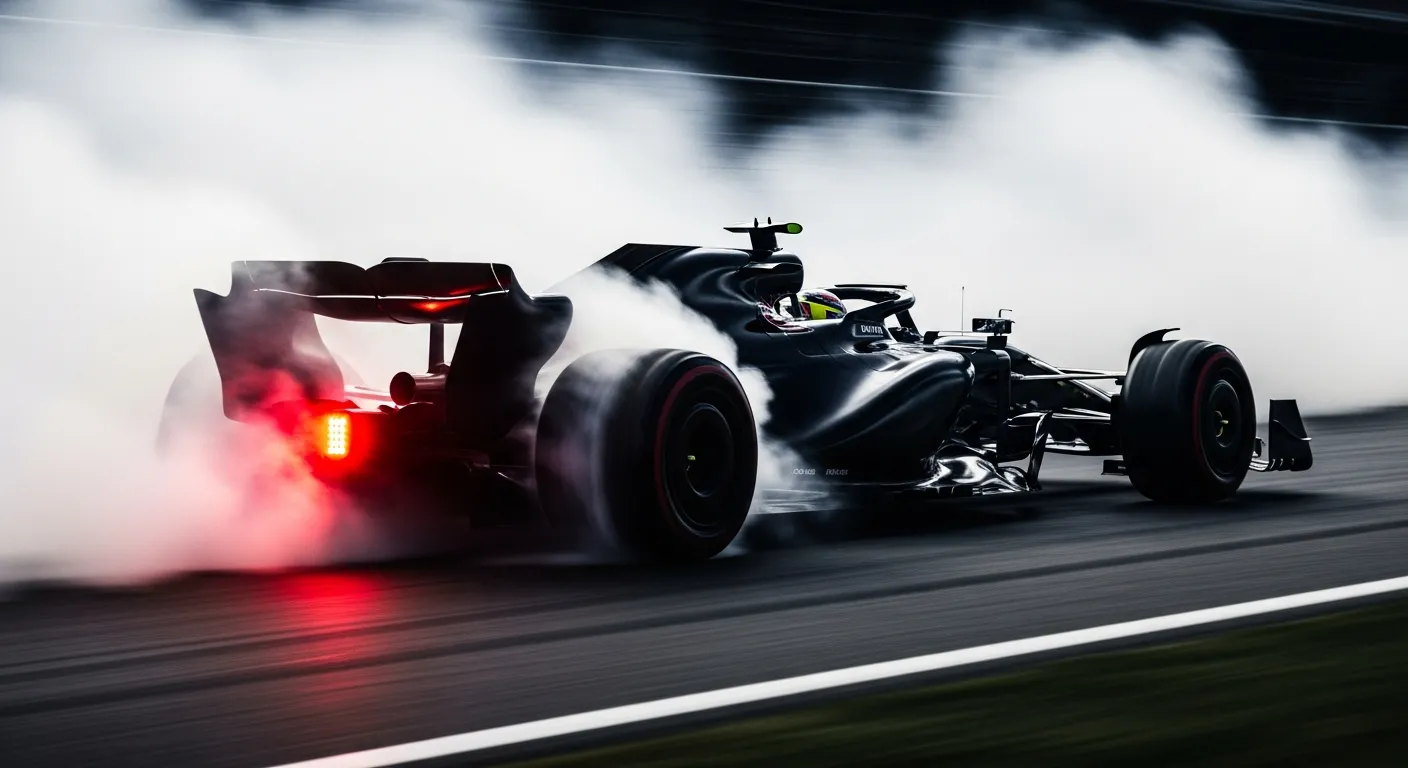
Lando Norris concluded his rookie Formula 1 season at the 2019 Abu Dhabi Grand Prix by converting a promising P6 grid slot into an 8th place finish for McLaren Racing, demonstrating consistent race pace in the season finale. Starting from the third row, Norris navigated the initial phases of the 55-lap race at the Yas Marina Circuit with a composure that belied his limited experience. He held his ground against more seasoned competitors, a crucial aspect of his development in a midfield that was intensely competitive throughout the 2019 season. While ultimately classified a lap down, completing 54 laps, his performance secured 4 valuable points for the Woking-based outfit, contributing significantly to their best constructors' championship result in years. His fastest lap of 1:43.026 on lap 50 was the 12th quickest of the race, indicating a strong late-race push and a clear understanding of tire management in the closing stages. This result was a significant marker for McLaren's upward trajectory, a stark contrast to some of the strategic challenges faced by other front-running teams in subsequent seasons, as seen with [Charles Leclerc at the 2023 Bahrain Grand Prix](/results/2023-bahrain-charles-leclerc), where even top teams can struggle with execution.
The strategic execution from the McLaren pit wall ensured both cars finished in the points, with teammate Carlos Sainz Jr. securing P10. This dual points finish underscored the team's operational efficiency and strategic acumen in a highly competitive midfield, where every point was hard-won. The 2019 season finale itself was ultimately dominated by Lewis Hamilton, who secured victory from pole position, a performance that highlighted Mercedes' consistent dominance and strategic mastery, much like his commanding drives in later seasons, including [Lewis Hamilton at the 2023 Bahrain Grand Prix](/results/2023-bahrain-lewis-hamilton). Norris's consistent points finishes throughout his debut year, culminating in this Abu Dhabi result, laid a robust foundation for his burgeoning career. It showcased his ability to extract performance and manage races effectively, evolving into the formidable driver we observe today, as evidenced by his more recent outings like [Lando Norris at the 2023 Bahrain Grand Prix](/results/2023-bahrain-lando-norris). Understanding the nuances of driver and team performance across different eras often requires delving into comprehensive [Formula 1 historical data sources](https://api.jolpi.ca/ergast/f1/2026.json) to trace trends and developments in the sport. The meticulous organization of the [FIA Formula 1 World Championship](https://www.fia.com/events/fia-formula-one-world-championship) relies on these individual race performances to shape the overall narrative of a season and determine championship standings. For a deeper dive into the sport's technical evolution and sporting regulations, the [Wikipedia: Formula One](https://en.wikipedia.org/wiki/Formula_One) entry provides extensive context on how these events fit into the broader history of Grand Prix racing. This race, therefore, was not just a season-ender but a clear signal of Norris's potential and McLaren's resurgence, setting the stage for future competitive seasons.