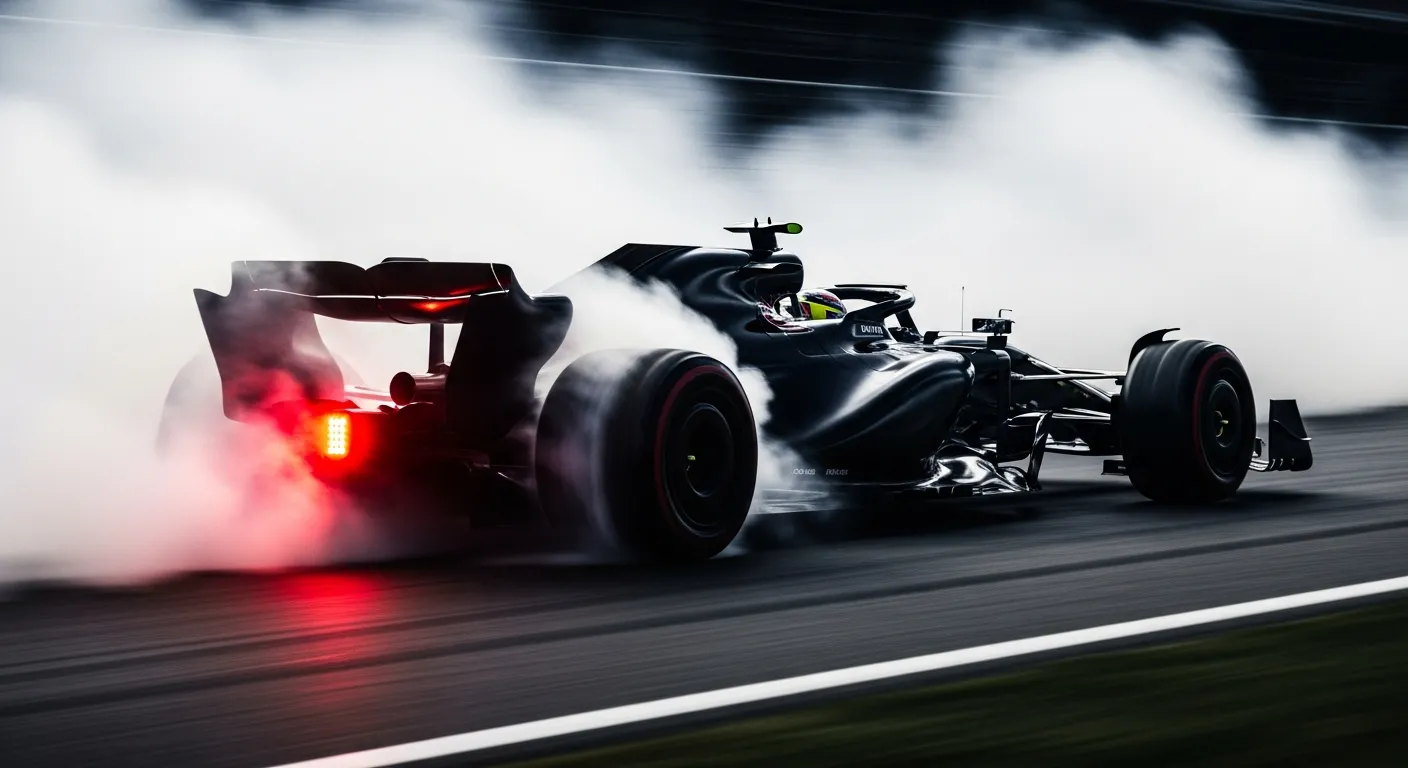
Max Verstappen's drive at the 2020 Bahrain Grand Prix on November 29 was a demonstration of consistent pace and strategic execution, culminating in a second-place finish for Red Bull Racing at the Bahrain International Circuit. Starting from third on the grid, Verstappen maintained strong contention throughout the 57-lap race, ultimately crossing the line with a total time of 2:59:48.769. His performance was further highlighted by setting the fastest lap of the race on lap 48, clocking in at 1:32.014, securing an additional point for his efforts. This result placed him directly behind Lewis Hamilton, who claimed victory, and ahead of his teammate Alexander Albon, who finished third, marking a double podium for the Austrian team. The event itself was notable for its extended duration due to a significant early safety car period, which reset the race rhythm and presented both challenges and opportunities for tire strategy.
The race unfolded with several disruptions, including a red flag and subsequent safety car periods, which tested the resilience and adaptability of all teams. Verstappen navigated these challenges effectively, showcasing Red Bull Racing's ability to react to evolving race conditions. His consistent lap times, particularly after the restarts, were key to maintaining his position at the front. The demanding nature of the [Bahrain International Circuit](https://en.wikipedia.org/wiki/Bahrain_International_Circuit) put a premium on both driver skill and car setup. The strategic decisions made by the Red Bull Racing pit wall played a crucial role in optimizing his race trajectory, allowing him to capitalize on opportunities for tire changes and track position. Understanding the nuances of [Formula 1 strategy](https://en.wikipedia.org/wiki/Formula_One_racing_strategy) is key to these outcomes. While the top step of the podium remained out of reach, the 19 points collected were a valuable addition to his championship tally, reinforcing his standing in a season dominated by Mercedes. For a broader view of the season's data, comprehensive [Formula 1 results](https://api.jolpi.ca/ergast/f1/2026.json) are available, detailing the competitive landscape of the 2020 season. This performance also drew parallels with the consistent front-running efforts seen from drivers like [Lewis Hamilton at the 2026 Belgian Grand Prix](/results/2026-spa-francorchamps-lewis-hamilton) and [Charles Leclerc at the 2026 Belgian Grand Prix](/results/2026-spa-francorchamps-charles-leclerc) in their respective campaigns. The [FIA's events calendar](https://www.fia.com/events/fia-formula-one-world-championship) outlines the full championship schedule, and Verstappen's drive exemplified adherence to these standards while extracting maximum performance from his Red Bull challenger. The race also saw strong performances from other teams, with McLaren drivers Lando Norris and Carlos Sainz Jr. finishing fourth and fifth respectively, demonstrating the depth of competition in the midfield. For more detailed information on the sport, the [official Formula 1 site](https://www.formula1.com/en) provides extensive coverage of races and driver statistics. The consistency required to perform at this level is a hallmark of top-tier drivers, a trait also observed in [George Russell at the 2026 Belgian Grand Prix](/results/2026-spa-francorchamps-george-russell)'s career, highlighting the sustained effort needed throughout a Grand Prix weekend. The overall [history of Formula 1](https://en.wikipedia.org/wiki/History_of_Formula_One) is rich with such determined drives.