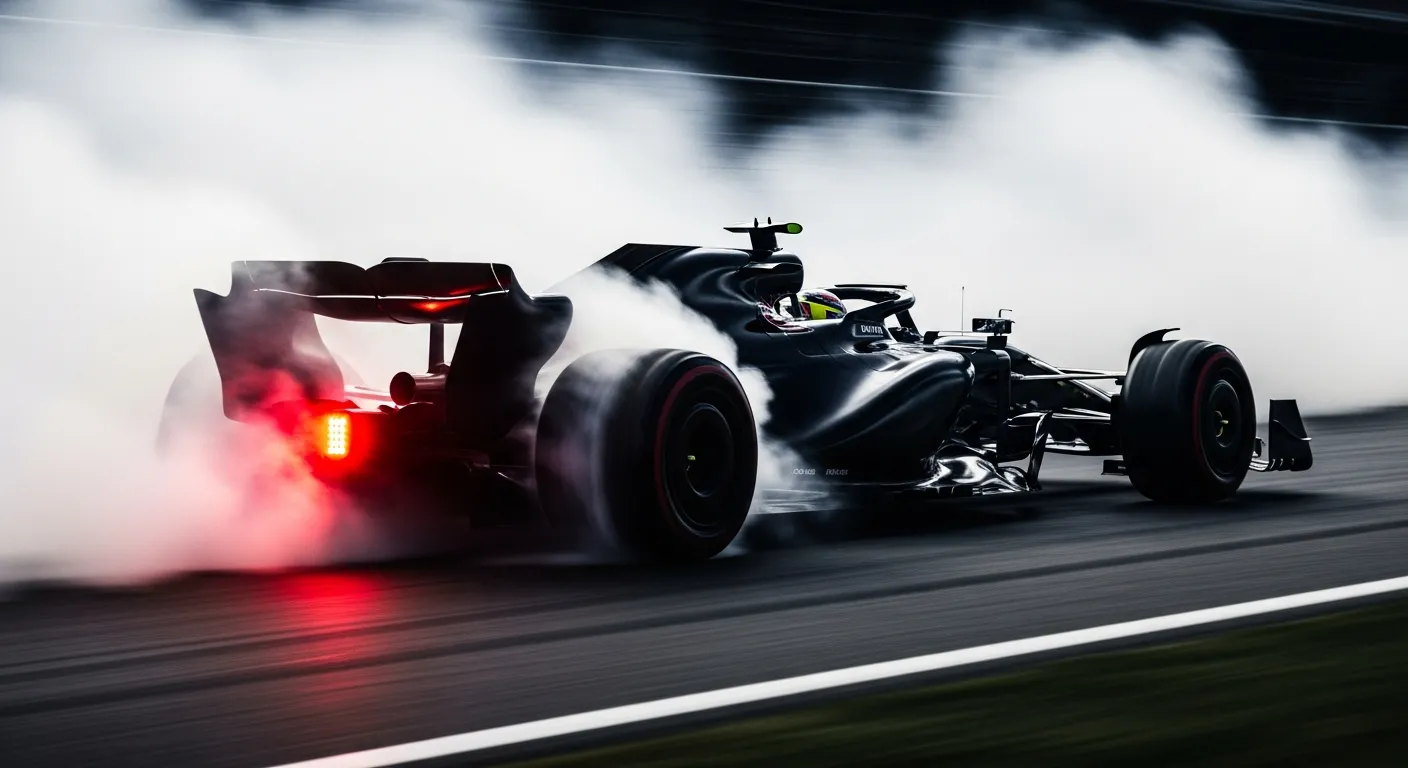
Charles Leclerc's 2020 Spanish Grand Prix at the Circuit de Barcelona-Catalunya was prematurely concluded by an electrical system failure on lap 38, preventing him from converting his ninth-place grid start into championship points for Scuderia Ferrari. The Monégasque driver had navigated the initial stages of the race from his P9 qualifying position, a grid slot that reflected the challenging performance envelope of the SF1000 chassis during the 2020 season. On August 16, 2020, at the familiar Montmeló circuit, Leclerc aimed to maximize the potential of a car that often struggled for consistent pace against its rivals. His race progression saw him maintaining a presence in the competitive midfield, recording a fastest lap of 1:23.968 on lap 35. This lap time, while ranking 20th overall in the race, indicated he was still pushing the car's limits just moments before the sudden technical issue manifested.
The unceremonious retirement, officially recorded as an "Electrical" status, meant Leclerc completed only 38 of the scheduled 66 laps. This DNF was a significant setback for Scuderia Ferrari, denying the team crucial points in a season where every opportunity to score was vital. The 2020 campaign was already proving difficult for the Italian outfit, with the SF1000 battling both aerodynamic limitations and power unit performance deficits. An electrical failure, in particular, can be multifaceted, often stemming from complex interactions within the car's intricate hybrid systems, as detailed in the technical regulations governing [Formula 1 — official site](https://www.formula1.com/en). While Leclerc's teammate, Sebastian Vettel, managed to salvage a seventh-place finish, securing 6 points, the contrasting outcomes underscored the reliability and performance inconsistencies plaguing the team. Such mechanical issues are a stark reminder of the demands placed on both drivers and machinery in the pinnacle of motorsport, a narrative often reflected in historical race outcomes, which can be explored through comprehensive data archives like those found via [Jolpica/Ergast — 2026 season data](https://api.jolpi.ca/ergast/f1/2026.json). The 2020 season, condensed and intense, saw many drivers grapple with their equipment; for instance, reviewing results such as [Lance Stroll at the 2026 Abu Dhabi Grand Prix](/results/2026-yas-marina-lance-stroll) provides insight into how different teams manage their race weekends under pressure. Leclerc's incident at Barcelona served as a clear illustration of the fine line between a valuable points finish and an early exit. The pursuit of consistent performance and reliability is a constant challenge, as drivers such as [George Russell at the 2026 Abu Dhabi Grand Prix](/results/2026-yas-marina-george-russell) and [Oscar Piastri at the 2026 Abu Dhabi Grand Prix](/results/2026-yas-marina-oscar-piastri) will continue to demonstrate in future seasons, where a robust technical package often plays as crucial a role as raw driving talent. This particular race contributed zero points to Leclerc's championship tally, leaving his season position unchanged but highlighting a fragile period for Ferrari in the broader context of [Wikipedia: Formula One](https://en.wikipedia.org/wiki/Formula_One) history.