Lando Norris's 2020 Spanish Grand Prix at the Circuit de Barcelona-Catalunya presented a challenging race day, culminating in a single point for McLaren Racing after starting eighth on the grid. The British driver, piloting the MCL35, completed 65 laps of the 66-lap event, ultimately finishing in tenth position, one lap down from race winner Lewis Hamilton. This result marked a slight regression from his qualifying performance, where he had secured a promising eighth spot, placing him firmly in the upper midfield ahead of several experienced drivers. The race on August 16, 2020, saw Norris battling in a particularly competitive midfield, a segment of the grid that proved intensely contested throughout the pandemic-affected 2020 season. His fastest lap of 1:22.392, recorded on lap 56, placed him 13th overall in the fastest lap rankings for the event, indicating a reasonable pace in the latter stages. While his teammate, Carlos Sainz Jr., managed to convert a seventh-place start into a sixth-place finish, securing eight points for the Woking-based outfit, Norris found himself navigating a race where maintaining initial track position proved difficult against rivals like the Racing Point cars and Sebastian Vettel's Ferrari. The Spanish Grand Prix is often a litmus test for car performance due to its demanding layout, known for exposing aerodynamic inefficiencies and tire degradation characteristics. McLaren's efforts were a constant focus for analysts tracking the [Formula 1 — official site](https://www.formula1.com/en) standings, especially as the team aimed to consolidate its position in the constructors' championship. Understanding the technical demands of such circuits is crucial for teams looking to optimize their setups, a process often guided by the detailed [FIA — F1 World Championship regulations](https://www.fia.com/events/fia-formula-one-world-championship). Norris's race trajectory saw him engaged in various skirmishes, ultimately yielding a single championship point. This outcome contrasts with his earlier season performances, such as his strong showing at the Austrian Grand Prix, where he secured a podium. The midfield battle was intense, with drivers like [Carlos Sainz at the 2016 Singapore Grand Prix](/results/2016-marina-bay-carlos-sainz) and [Esteban Ocon at the 2016 Singapore Grand Prix](/results/2016-marina-bay-esteban-ocon) often finding themselves in similar close-quarters racing throughout their careers. The data from this specific race illustrates the fine margins in Formula 1, where even a strong qualifying can be undone by race pace or strategic calls that don't quite align with the evolving track conditions. For a deeper dive into historical race data and driver performances, resources like [Jolpica/Ergast — 2026 season data](https://api.jolpi.ca/ergast/f1/2026.json) provide extensive records on past seasons. The Circuit de Barcelona-Catalunya is well-known for its challenges, and a comprehensive understanding of [Wikipedia: Formula One history](https://en.wikipedia.org/wiki/Formula_One) reveals its long-standing presence on the calendar as a benchmark circuit. The strategic decisions made during a Grand Prix, particularly regarding tire management and pit stops, often dictate a driver's final standing, a dynamic evident in many races, including those where drivers like [Max Verstappen at the 2016 Singapore Grand Prix](/results/2016-marina-bay-max-verstappen) made significant gains from their starting positions. The official [F1 race results archive](https://www.formula1.com/en) provides granular detail on such strategic outcomes. Despite the challenging result, securing a point demonstrated McLaren's continued presence in the scoring positions, a valuable asset in the tightly contested constructors' battle of 2020. Collecting and analyzing [historical F1 data](https://api.jolpi.ca/ergast/f1/2026.json) is fundamental for continuous improvement, allowing teams to refine their approach for subsequent rounds.
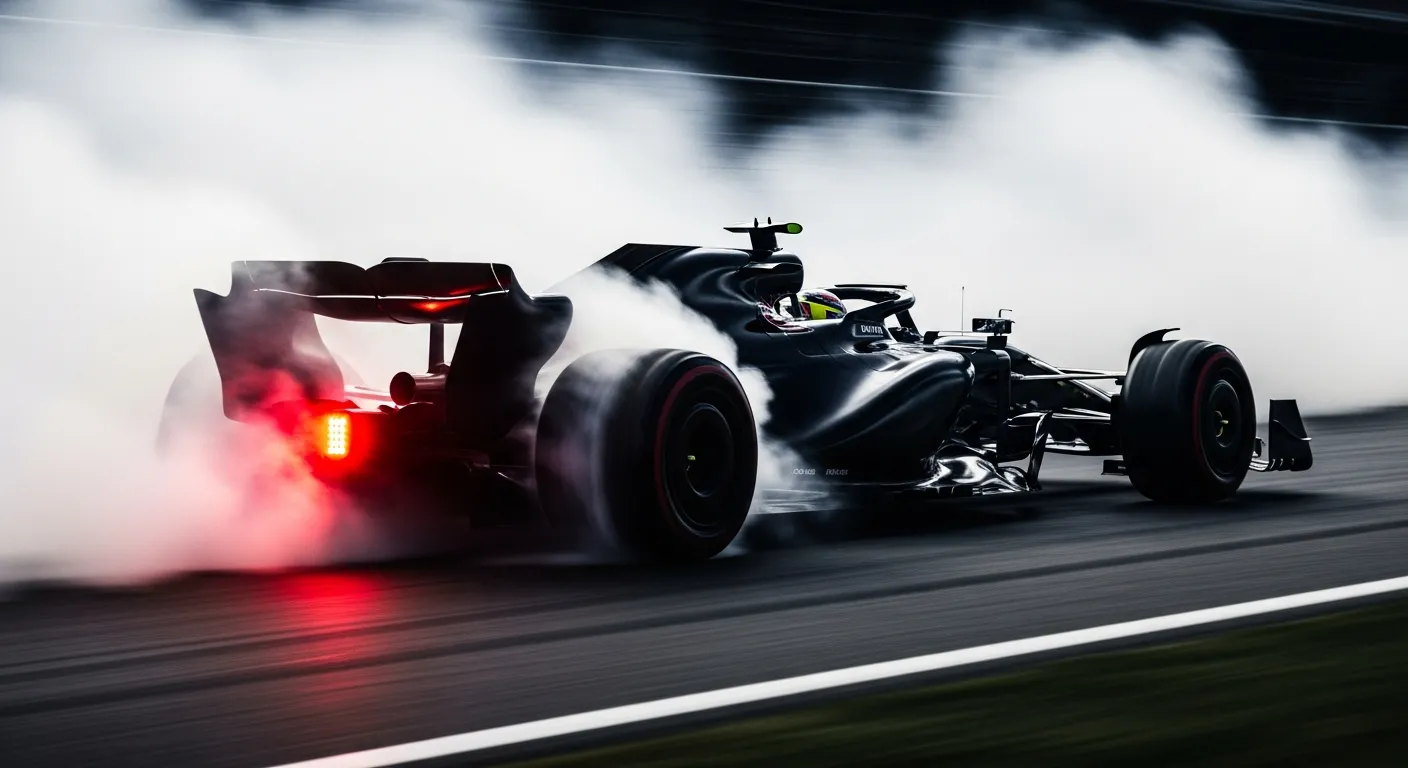
Race result · 2020
Lando Norris at the 2020 Spanish Grand Prix
Lando Norris's 2020 Spanish Grand Prix saw him drop two positions from his P8 start, securing a single point for McLaren Racing despite a strong qualifying effort.
- 10th
- 1 pts
- McLaren Racing