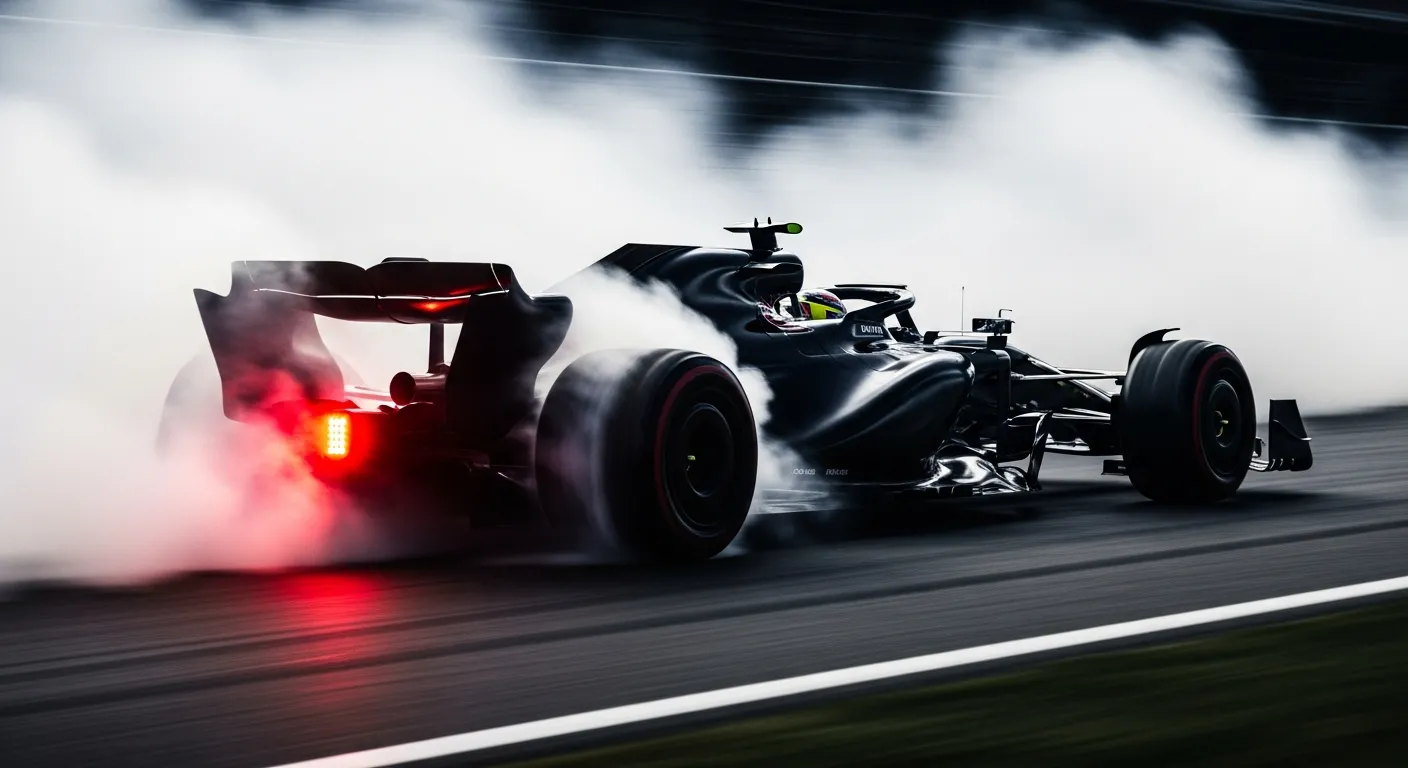
Lando Norris's 2020 Hungarian Grand Prix was a stark illustration of how quickly fortunes can shift in Formula 1, as a promising P8 grid start for McLaren Racing ultimately yielded a P13 finish, marking a significant drop from his earlier season form. The Hungaroring circuit, known for its tight, technical layout and often referred to as "Monaco without the walls," typically demands a car with strong aerodynamic grip and precise handling. For Norris, the race saw him complete 69 laps, concluding the event one lap down from the dominant Mercedes of Lewis Hamilton. Despite a respectable fastest lap of 1:19.945 on lap 42, which placed him 8th overall in fastest lap rankings for the race, this individual burst of pace was not sufficient to convert his strong qualifying performance into championship points. The McLaren MCL35, which had shown flashes of competitive form in the preceding Austrian rounds, appeared to struggle more with the specific demands of the Budapest track. The race start itself, under damp conditions, presented immediate challenges, and while Norris navigated the early chaos, the car's performance on the drying track and subsequent tire management proved to be a hurdle. Losing positions early in the race, the McLaren driver found himself in a challenging recovery battle, a scenario that often plays out differently on a circuit where overtaking is notoriously difficult.
This P13 result meant Norris added no points to his season tally, a departure from his strong start to the championship, including a podium finish at the Styrian Grand Prix. His teammate, [Carlos Sainz at the 2024 Abu Dhabi Grand Prix](/results/2024-yas-marina-carlos-sainz), starting just one position behind Norris in P9, managed to convert his race into a P9 finish, earning 2 points for McLaren Racing. Sainz also posted a slightly quicker fastest lap, a 1:19.457 on lap 67, ranking him 6th overall, indicating a subtle but significant performance delta between the two cars on race day. This internal team comparison highlights the intricate balance required to extract optimal results, especially in the tight midfield battles that define much of the [Formula 1 — official site](https://www.formula1.com/en) season. The 2020 season, heavily impacted by global events, presented unique challenges for teams in adapting their development cycles and race strategies, as detailed in various [Wikipedia: Formula One](https://en.wikipedia.org/wiki/Formula_One) entries covering the era. The condensed calendar meant that every race carried significant weight for championship aspirations, and a non-scoring finish like this could quickly shift momentum. Analyzing such performances, alongside those of other drivers like [Alexander Albon at the 2024 Abu Dhabi Grand Prix](/results/2024-yas-marina-alex-albon), requires a meticulous review of data, often available through platforms providing [Jolpica/Ergast — 2026 season data](https://api.jolpi.ca/ergast/f1/2026.json). For Norris, this weekend served as a reminder of the competitive depth in Formula 1, where even a minor drop in performance or strategic misstep can lead to a significant loss of positions and points, a reality that drivers such as [Yuki Tsunoda at the 2024 Abu Dhabi Grand Prix](/results/2024-yas-marina-yuki-tsunoda) also navigate in their careers.