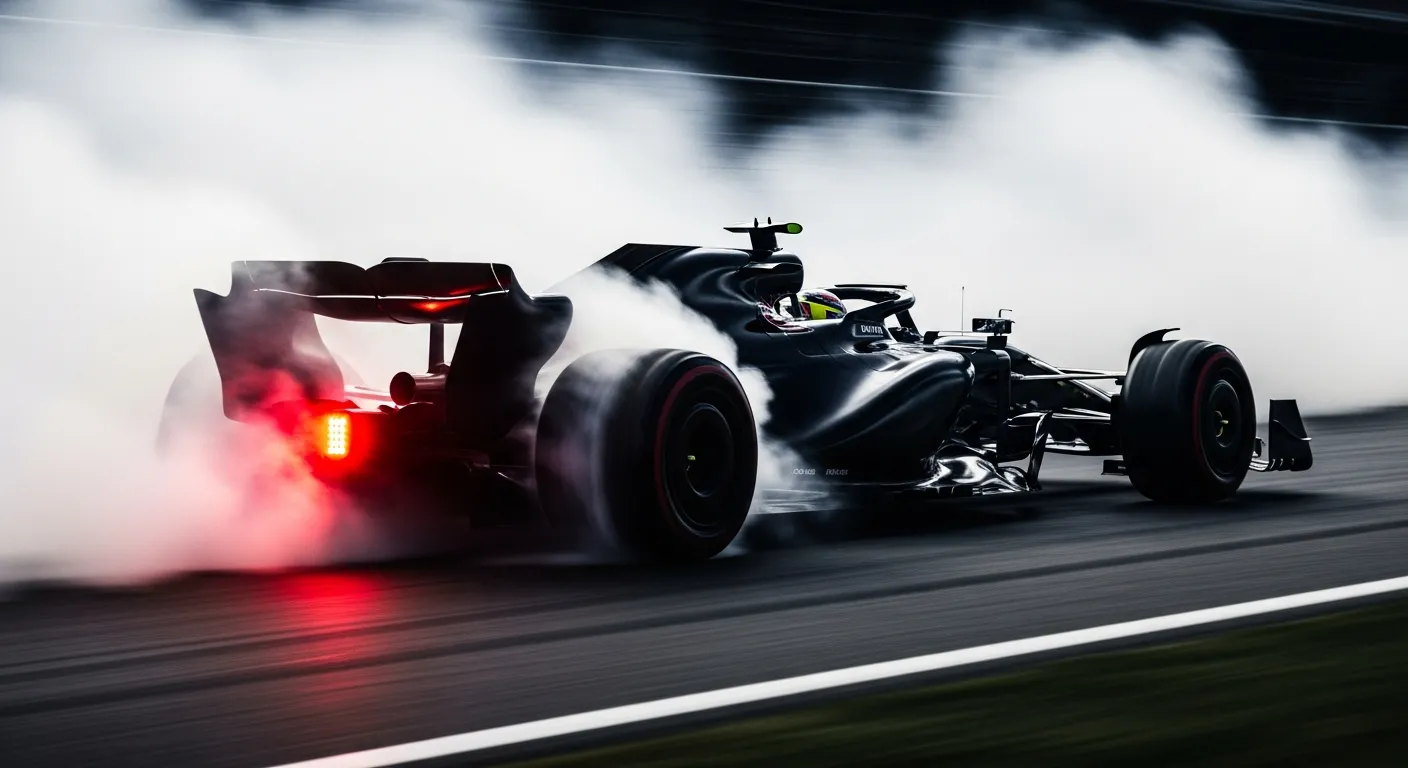
George Russell navigated the unpredictable 2020 Italian Grand Prix at Monza, bringing his Williams Grand Prix Engineering car home in 14th position after starting from 19th on the grid. This result, achieved on September 6, 2020, at the historic Autodromo Nazionale Monza, saw Russell complete all 53 laps in 1:47:42.649, a testament to the team's reliability in a race marked by significant incidents. The Grand Prix itself was a chaotic affair, featuring a safety car period and a red flag, which dramatically reshaped the competitive order and offered opportunities even for cars starting further back. Despite the challenging circumstances that saw several front-runners retire, including Max Verstappen due to a power unit issue and Charles Leclerc following an accident, Russell maintained a consistent pace. His fastest lap of 1:24.421, recorded on lap 39, placed him 9th overall in the fastest lap standings, demonstrating moments of competitive speed within the Williams package. This performance highlighted Russell's ability to maximize the car's potential, extracting a strong lap time even if it didn't translate into championship points on this occasion. The broader context of Formula 1 racing often sees drivers pushing the limits, as detailed by the [FIA — F1 World Championship](https://www.fia.com/events/fia-formula-one-world-championship) regulations, where consistent performance under pressure is key.
The race at Monza was a dynamic affair, with strategic decisions playing a crucial role, particularly during the safety car and red flag periods. Russell's teammate, Nicholas Latifi, starting one position behind him in 20th, managed to finish 11th, underscoring the tight midfield battles that characterized the 2020 season. While Latifi edged out Russell in the final classification, Russell’s consistent running and strong fastest lap indicated a solid drive, often a hallmark of his early career. The data from the [Jolpica/Ergast — 2026 season data](https://api.jolpi.ca/ergast/f1/2026.json) provides a comprehensive view of race results across seasons, allowing for such detailed comparisons and analysis of driver performance trends. For a driver like Russell, who would later go on to achieve significant results and a factory seat, such as his performance at the [George Russell at the 2024 Hungarian Grand Prix](/results/2024-hungaroring-george-russell), these early races with Williams were crucial for development and showcasing his talent. Understanding the intricacies of a Grand Prix, from qualifying to the checkered flag, is fundamental to appreciating a driver's effort, as explored on the [Formula 1 — official site](https://www.formula1.com/en). The strategic decisions made during a race, especially under safety car conditions, can drastically alter outcomes, a common theme in the sport's history as documented on [Wikipedia: Formula One](https://en.wikipedia.org/wiki/Formula_One). This particular race, with Pierre Gasly taking a surprise victory, showcased how unpredictable F1 can be, a narrative thread that continued to evolve for other emerging talents like [Oscar Piastri at the 2024 Hungarian Grand Prix](/results/2024-hungaroring-oscar-piastri) and seasoned competitors such as [Fernando Alonso at the 2024 Hungarian Grand Prix](/results/2024-hungaroring-fernando-alonso) in subsequent seasons. Russell's drive, while not yielding points, was a demonstration of resilience and consistent performance under pressure, a trait valued in the highest echelons of motorsport, as further elaborated on the [Formula 1 — official site](https://www.formula1.com/en) race reports and historical archives. The Williams Grand Prix Engineering team, despite their struggles in 2020, consistently aimed to extract maximum performance, a continuous effort across all [Formula 1 teams](https://www.formula1.com/en/teams-and-drivers.html).