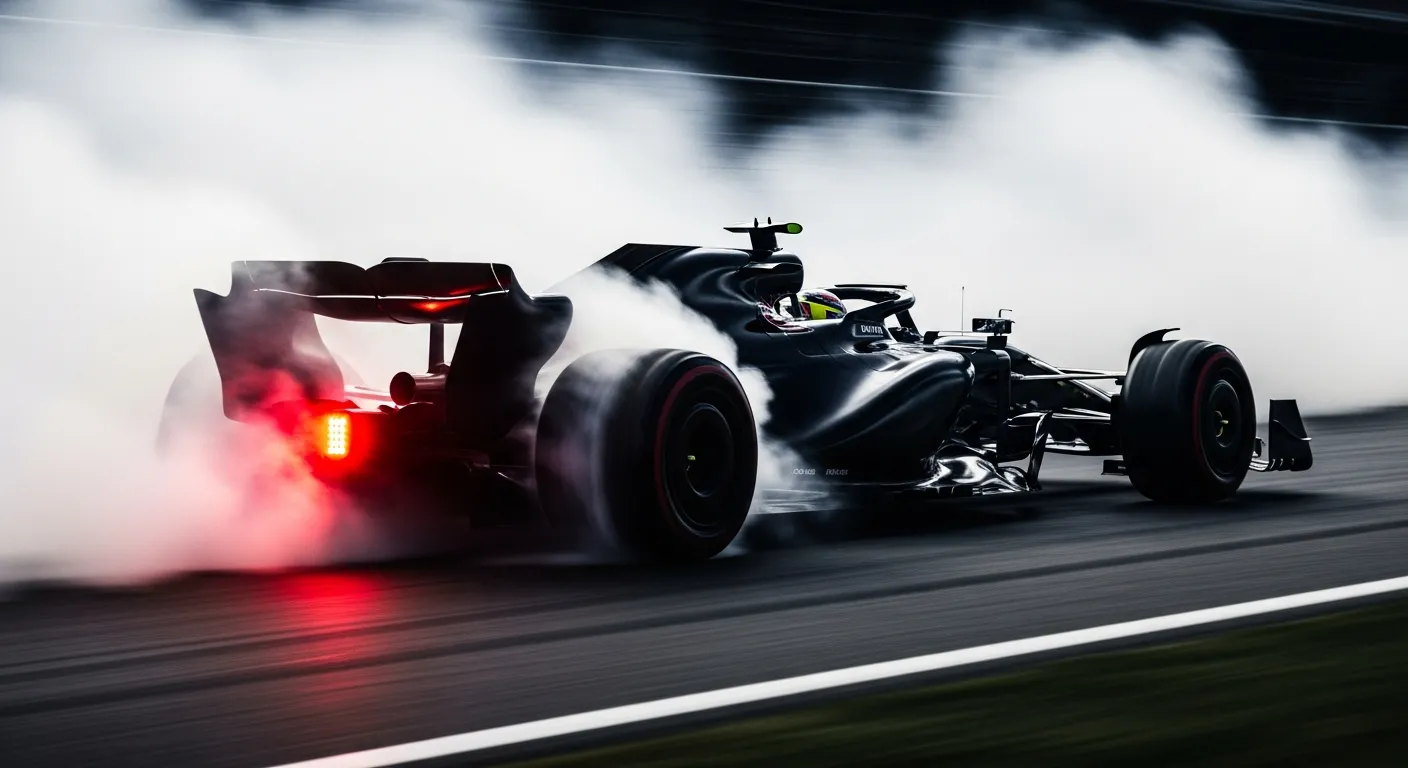
Pierre Gasly's triumph at the 2020 Italian Grand Prix stands as a definitive moment in his career and for Scuderia AlphaTauri. Starting from 10th on the grid, the French driver executed a strategic race on the historic Autodromo Nazionale Monza circuit. The event was marked by significant incidents, including a safety car deployment and a red flag, which reshuffled the competitive order. Gasly capitalized on these disruptions, particularly a pit stop under safety car conditions that allowed him to gain track position. His AlphaTauri AT01, powered by Honda, demonstrated unexpected pace in critical moments. This victory was AlphaTauri's first under its new identity, echoing Toro Rosso's 2008 win at the same venue. The race saw several front-runners encounter issues, creating an opening that Gasly seized with precision. This kind of unpredictable outcome underscores the dynamic nature of [Formula 1 racing](https://www.formula1.com/en), where strategy and driver execution converge. Similar moments of unexpected success can define a season, as seen in other races where drivers like [Lance Stroll at the 2025 Qatar Grand Prix](/results/2025-lusail-lance-stroll) have pushed for podiums.
After the restart, following a red flag period, Gasly found himself leading the pack. He maintained his composure under immense pressure, fending off the McLaren of Carlos Sainz Jr. for the final 26 laps. Gasly completed all 53 laps, crossing the finish line with a total race time of "1:47:06.056". His fastest lap of "1:24.037" on lap 34 ranked 6th overall, showcasing his ability to extract performance when needed. His teammate, Daniil Kvyat, also finished in the points, securing 9th position and adding 2 points to AlphaTauri's tally, highlighting a strong team performance. This result provided a significant boost to Gasly's championship standing, moving him from 12th to 8th in the drivers' standings, accumulating 25 points from this single event. Such pivotal races are meticulously documented by official bodies like the [FIA — F1 World Championship](https://www.fia.com/events/fia-formula-one-world-championship) and analyzed in comprehensive datasets like the [Jolpica/Ergast — 2026 season data](https://api.jolpi.ca/ergast/f1/2026.json). The 2020 Italian Grand Prix serves as a prime example of how a driver can leverage unforeseen circumstances to achieve a career-defining result, much like how [Lando Norris at the 2025 Qatar Grand Prix](/results/2025-lusail-lando-norris) might approach a challenging race weekend. The broader history of the sport, as detailed on [Wikipedia: Formula One](https://en.wikipedia.org/wiki/Formula_One), is rich with such underdog stories. Even top teams face unexpected challenges, as [George Russell at the 2025 Qatar Grand Prix](/results/2025-lusail-george-russell) would attest. For detailed race results and statistics, the [Formula 1 official site](https://www.formula1.com/en) remains a primary resource, with the [FIA's official records](https://www.fia.com/events/fia-formula-one-world-championship) confirming the race details.