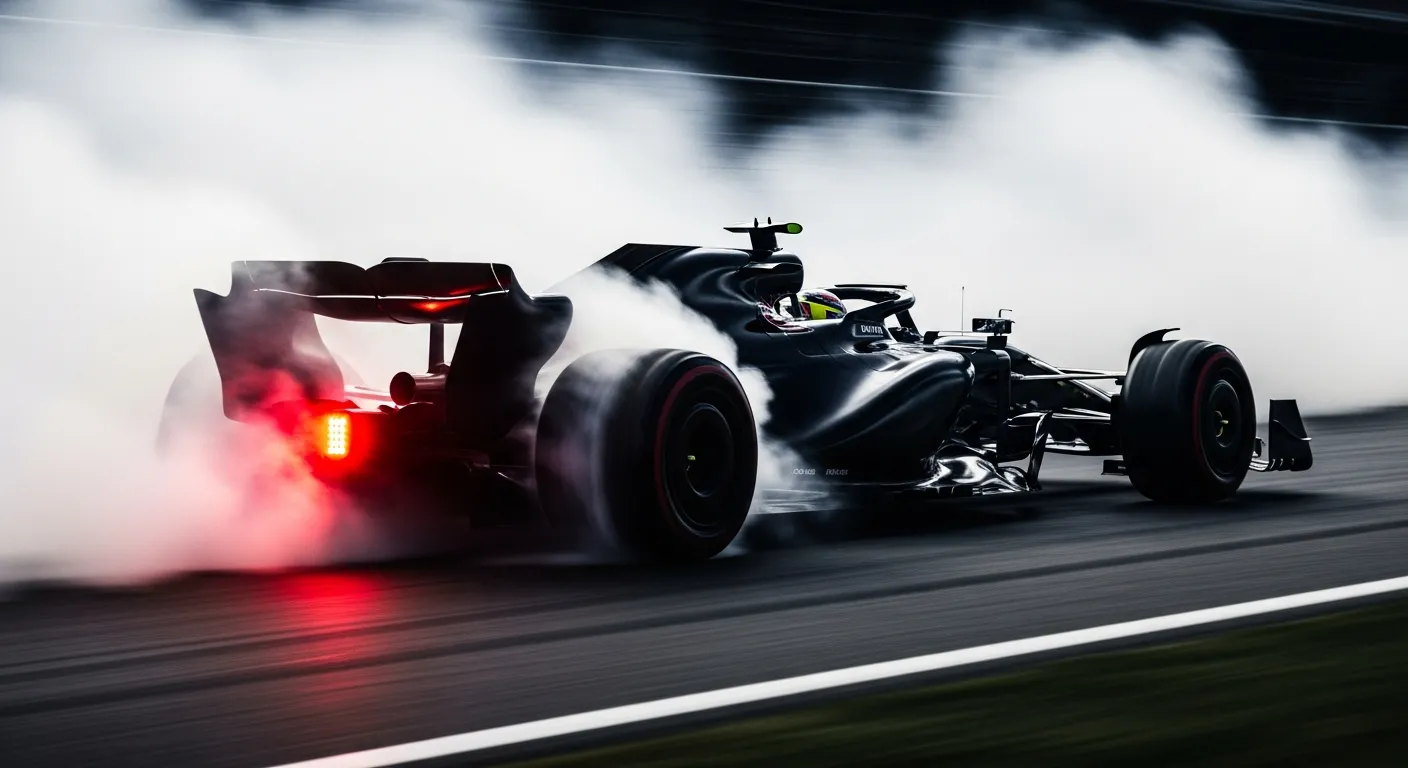
Max Verstappen's 2020 Formula 1 campaign began with an unexpected and premature exit at the [Austrian Grand Prix](https://www.formula1.com/en/racing/2020/Austria.html) held at the Red Bull Ring. Starting from P2 on the grid, the Dutch driver was poised for a strong performance in the season's inaugural race. His early pace was evident, clocking a fastest lap of 1:09.351 on lap 5, ranking him 15th overall in the race for fastest laps, demonstrating the potential of the Red Bull Racing package. However, this promising start was cut short.
On lap 11, Verstappen's race came to an abrupt halt due to an "Electronics" issue, forcing him to retire from the event. This mechanical failure meant a DNF and zero points for the Red Bull driver, a frustrating outcome for both Verstappen and the team, especially given the high expectations for the season opener. The incident highlighted the inherent complexities of modern [Formula One](https://en.wikipedia.org/wiki/Formula_One) machinery, where intricate systems must perform flawlessly under extreme conditions. This was a particularly challenging day for Red Bull Racing, as Verstappen's teammate, [Alexander Albon](/results/2026-silverstone-alex-albon), also suffered an "Electronics" related retirement later in the race, albeit completing 67 laps and being classified 13th. Such double retirements due to similar issues often trigger immediate and thorough investigations by teams, as outlined in the [FIA technical regulations](https://www.fia.com/events/fia-formula-one-world-championship) for competition. The data from this specific race, and indeed all F1 seasons, is meticulously recorded and analyzed, as seen in comprehensive datasets like those provided by [Jolpica/Ergast for F1 data](https://api.jolpi.ca/ergast/f1/2026.json).
The early retirement was a stark reminder of the fine margins in F1, where a single component failure can derail an entire weekend. While the race continued with Valtteri Bottas eventually taking victory, Verstappen's early departure meant missing out on crucial championship points right at the start of a condensed season. The team would undoubtedly scrutinize the telemetry to understand the root cause of the electronics failure, aiming to prevent a recurrence as the compressed 2020 season unfolded. This kind of early season setback can significantly influence a constructor's development priorities. Drivers like [Carlos Sainz](/results/2026-silverstone-carlos-sainz), who finished P5 in this very race, demonstrated the resilience required to navigate such an unpredictable season. The challenge for Red Bull was clear: address reliability issues swiftly to ensure their drivers, including Verstappen, could consistently contend for podiums and wins. The collective performance of teams, including their drivers like [Esteban Ocon](/results/2026-silverstone-esteban-ocon), is continuously tracked across the [Formula 1 World Championship](https://www.fia.com/events/fia-formula-one-world-championship) to assess overall progress and standing. Ensuring reliability is a core aspect of competing at the highest level of motorsport, as detailed on the [official Formula 1 website](https://www.formula1.com/en/latest/article.2020-austrian-grand-prix-report.5XmJp233c0jWzV91bN5eL.html).