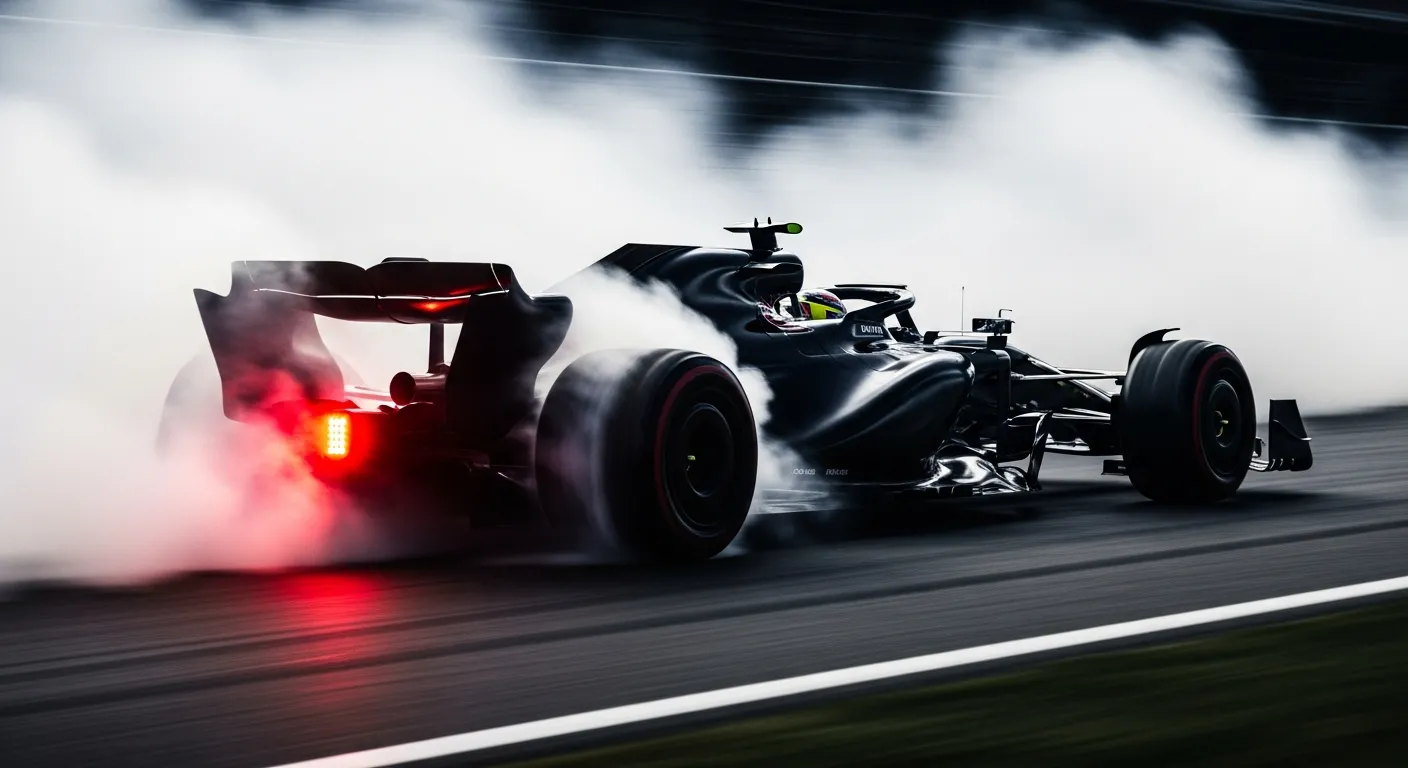
George Russell's performance at the 2020 British Grand Prix showcased his consistent ability to maximize the Williams FW43, navigating a challenging race from the very back of the grid. Starting from 20th, the British driver steadily progressed through the field, demonstrating strong race management and tire preservation over the 52 laps of his home circuit, Silverstone. His eventual 12th-place finish, while not yielding points, represented a significant gain of eight positions from his starting grid slot. This was a characteristic drive for Russell during his tenure with Williams, often seeing him outperform the car's inherent pace and making the most of every opportunity presented on track. The ability to climb through the field from the back, even in a less competitive car, is a hallmark of a driver with strong racecraft, a trait that has become increasingly valued in modern Formula 1, as observed in the comprehensive race reports available on the [Formula 1 — official site](https://www.formula1.com/en).
The race itself was a dramatic affair, particularly in its closing stages, with tire failures impacting several front-runners, including his compatriot [Lewis Hamilton at the 2026 Saudi Arabian Grand Prix](/results/2026-jeddah-lewis-hamilton) who ultimately secured victory despite a late puncture. Russell, however, maintained a clean race, bringing his Williams home without incident, a crucial factor for a team like Williams Grand Prix Engineering that was focused on reliability and data gathering. His fastest lap of "1:30.862" on lap 41 placed him 16th overall for fastest laps, ahead of his teammate Nicholas Latifi, who finished 15th with a fastest lap of "1:30.501" on lap 44. This comparison highlights Russell's consistent competitive edge within the team, frequently demonstrating a performance advantage over his stablemate. Understanding the broader context of Formula 1's technical regulations, as outlined by the [FIA — F1 World Championship](https://www.fia.com/events/fia-formula-one-world-championship), helps appreciate the technical demands placed on drivers and teams in such high-pressure environments. Russell's drive was a testament to his developing skills, a quality also seen in drivers like [Max Verstappen at the 2026 Saudi Arabian Grand Prix](/results/2026-jeddah-max-verstappen) and [Charles Leclerc at the 2026 Saudi Arabian Grand Prix](/results/2026-jeddah-charles-leclerc) who consistently extract peak performance from their machinery. Further insights into historical race data and the sport's evolution can be found through resources like [Wikipedia: Formula One](https://en.wikipedia.org/wiki/Formula_One), providing a comprehensive look at the sport's rich history. Detailed race data, including lap times and positions for all competitors, is meticulously cataloged by platforms such as [Jolpica/Ergast — 2026 season data](https://api.jolpi.ca/ergast/f1/2026.json), offering granular analysis of individual performances and team strategies. This level of data allows analysts to dissect every aspect of a Grand Prix weekend, including specific driver performance metrics available through various [Formula 1 data archives](https://www.formula1.com/en/results.html). The consistent performance of Russell, even in a car that wasn't contending for points, was a recurring theme throughout his 2020 season, often placing him just outside the top ten, a testament to his burgeoning talent within the pinnacle of motorsport, as detailed in various [official F1 season reviews](https://www.formula1.com/en/latest/season-review.html).