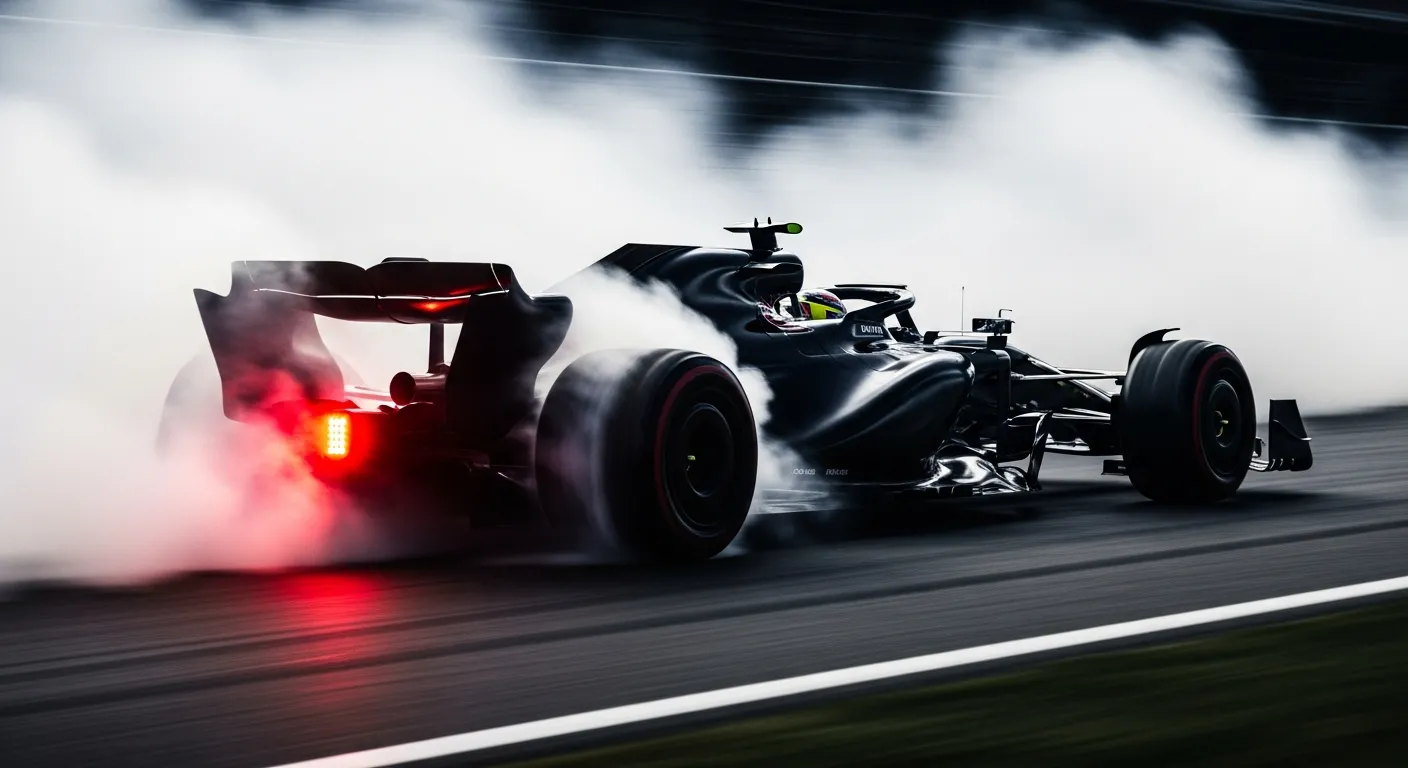
Nico Hülkenberg's anticipated return to the grid at the 2020 British Grand Prix was curtailed by a clutch malfunction, preventing the German driver from even commencing the race at Silverstone. This was a particularly frustrating outcome for Hülkenberg, who had qualified his Racing Point RP20 in 13th position, demonstrating his immediate adaptability to the car after a late call-up. The technical failure meant zero laps completed and, consequently, no points scored for the German driver or his team, Racing Point F1 Team. The incident underscored the unpredictable nature of grand prix racing, where mechanical reliability can dictate a driver's weekend before the lights even go out. His teammate, Lance Stroll, starting from 6th on the grid, managed to navigate the 52 laps of the [Silverstone Circuit](https://www.formula1.com/en/racing/2020/Great_Britain/Circuit.html) to finish in 9th position, securing 2 points for the British constructor. This contrast highlighted the stark difference in fortunes within the same garage on race day, with one car performing as expected and the other sidelined before the start.
The disappointment was palpable, given Hülkenberg's reputation for extracting performance from his machinery. His experience, often showcased in demanding races like [Nico Hülkenberg at the 2017 Azerbaijan Grand Prix](/results/2017-baku-nico-hulkenberg) where he demonstrated strong race craft, made his non-start at Silverstone all the more unfortunate. A clutch failure, specifically, is a fundamental mechanical issue that can arise from various factors, from component wear to electronic control system glitches. For a driver stepping into a car on short notice, such a technical setback is a difficult pill to swallow, particularly when the qualifying performance indicated potential for a points finish. The [FIA technical regulations](https://www.fia.com/events/fia-formula-one-world-championship/season-2020/2020-formula-1-sporting-regulations) dictate strict procedures for car readiness, and a pre-race failure of this magnitude is a rare but impactful occurrence in the highly competitive world of [Formula 1 racing](https://www.formula1.com/en). The entire field, including drivers like [Max Verstappen at the 2017 Singapore Grand Prix](/results/2017-marina-bay-max-verstappen) who faced their own challenges, ultimately completed their race distance, further isolating Hülkenberg's fate. The comprehensive data from the [Jolpica/Ergast F1 archives](https://api.jolpi.ca/ergast/f1/2026.json) consistently records such non-starts as critical race events, impacting championship standings and team morale. This particular incident added a unique chapter to the [history of Formula One](https://en.wikipedia.org/wiki/Formula_One), showcasing how even a seasoned driver can be sidelined by an unforeseen technical problem. The team's immediate focus would have shifted to diagnosing the precise cause of the "Clutch" status to prevent recurrence, especially with another race at Silverstone just a week later. Comparing this to other races where technical issues have impacted drivers, such as [Lance Stroll at the 2017 Azerbaijan Grand Prix](/results/2017-baku-lance-stroll) who finished on the podium despite a difficult race, underscores the fine margins in F1. The broader context of the [F1 World Championship](https://www.fia.com/events/fia-formula-one-world-championship) often sees mechanical reliability play a crucial role in a team's season trajectory, making every component failure a significant event.