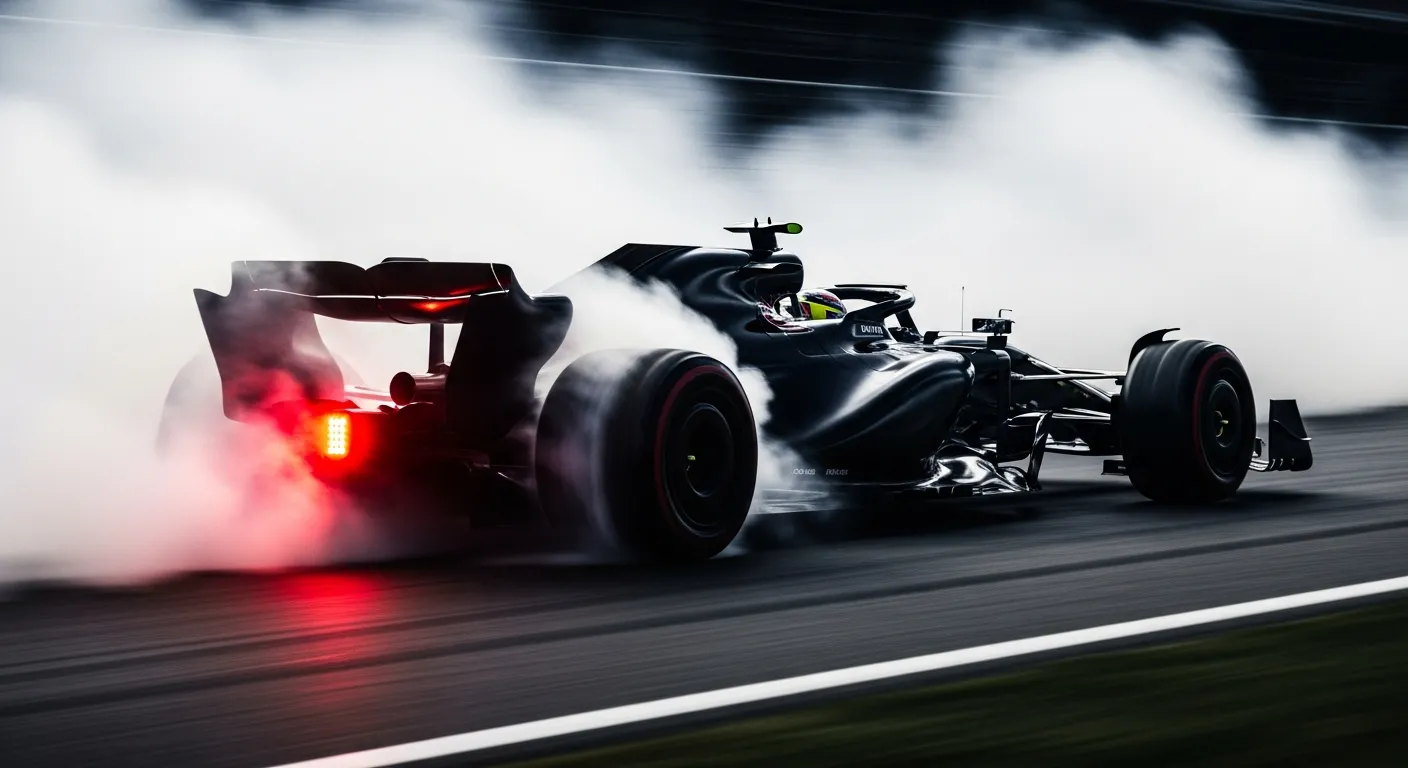
The 2020 Belgian Grand Prix presented Carlos Sainz and McLaren Racing with an immediate and insurmountable challenge, as a critical power unit failure sidelined the Spanish driver before the race even began. With a grid position of zero, Sainz was unable to complete any laps at the iconic Circuit de Spa-Francorchamps, resulting in a non-start and zero points for his championship campaign. This mechanical issue, officially recorded as "Power unit" status, underscored the relentless demands placed on modern Formula 1 machinery, where even pre-race reliability can dictate a driver's entire weekend outcome. For McLaren, a team consistently battling in the competitive midfield, such an incident represented a significant setback, particularly as every point is crucial for their standing in the Constructors' Championship. The complex interplay of internal combustion engines, turbochargers, and energy recovery systems that comprise an F1 power unit, as detailed on the [Formula 1 — official site](https://www.formula1.com/en), requires meticulous engineering and constant vigilance to ensure both peak performance and robust reliability across a demanding season. This premature exit contrasted sharply with the team's aspirations and Sainz's own consistent form earlier in the year, which had seen him accumulate 23 points prior to this round.
While Sainz faced a premature and frustrating exit from the Belgian Grand Prix, his teammate Lando Norris managed to navigate all 44 laps of the challenging circuit, securing a position 7 finish and adding 6 points to McLaren's tally. This divergent outcome within the same team highlights the unpredictable nature of grand prix racing, where individual car reliability can vary even with identical specifications. Such technical failures often trigger thorough investigations by teams to identify root causes and implement preventative measures, a fundamental aspect of competitive [Formula One](https://en.wikipedia.org/wiki/Formula_One) participation. The loss of potential points for Sainz had an immediate impact on his personal championship standing, dropping him from 9th to 11th without even turning a wheel. Examining historical data, such as the comprehensive race results available through the [FIA — F1 World Championship](https://www.fia.com/events/fia-formula-one-world-championship) archives, often reveals how pivotal these non-starts can be in the broader context of a season. This incident at Spa was a stark reminder of the fine margins in F1, a challenging contrast to his previous efforts, such as his determined drive at [Carlos Sainz at the 2019 Emilia Romagna Grand Prix](/results/2019-imola-carlos-sainz), or even the strategic battles seen at events like [Max Verstappen at the 2019 Monaco Grand Prix](/results/2019-monaco-max-verstappen), where every lap counts. The data from [Jolpica/Ergast — 2026 season data](https://api.jolpi.ca/ergast/f1/2026.json) provides a broader statistical context for such occurrences across different seasons.