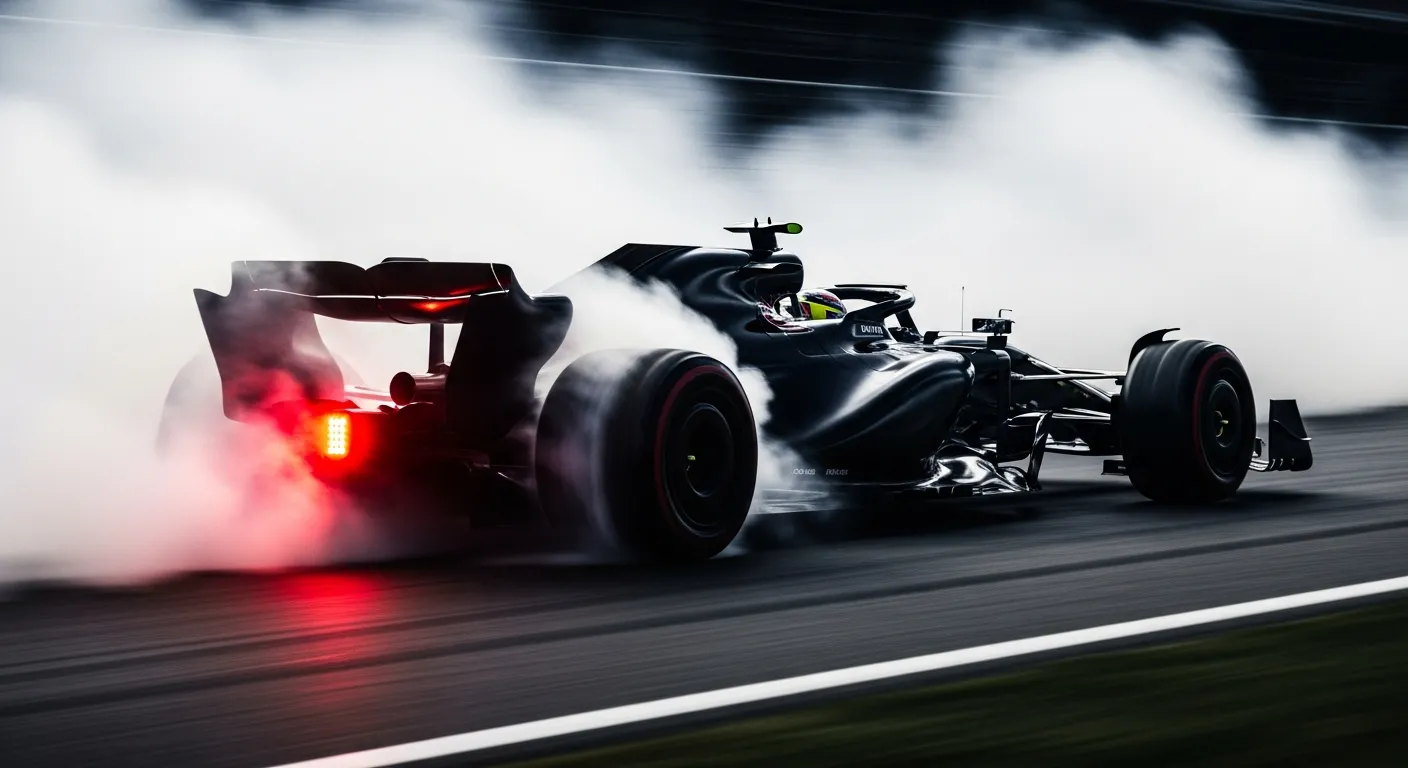
Esteban Ocon delivered a robust performance at the 2020 Belgian Grand Prix on August 30, navigating the demanding Circuit de Spa-Francorchamps to secure a fifth-place finish for Renault Sport Formula One Team. Starting from sixth on the grid, Ocon demonstrated consistent car control and strategic execution throughout the 44-lap race. His ability to hold position and then advance one spot from his starting grid slot of sixth was a testament to both his driving and the race strategy employed by the French constructor. The final race time recorded for Ocon was 1:24:49.411, a result that placed him ahead of Alexander Albon's Red Bull, which finished in sixth. This strong showing at Spa, a circuit renowned for its high-speed sectors and elevation changes, highlighted the Renault R.S.20's capabilities and Ocon's skill in managing its performance over a full race distance. His fastest lap, a 1:48.540 on lap 44, ranked tenth overall, indicating a sustained push to the very end of the Grand Prix. This was a critical points-scoring finish, contributing 10 points to his championship tally, and notably, it was his best result of the season up to that point.
The weekend saw a strong collective effort from Renault Sport Formula One Team, underscoring their competitive aspirations in the 2020 season. Ocon's teammate, Daniel Ricciardo, delivered an equally impressive drive, securing fourth position after starting from fourth on the grid. Ricciardo's performance was particularly notable for setting the fastest lap of the race, a 1:47.483, also on the final lap, further underscoring the pace that the Renault package possessed that weekend. This dual points finish for the team was a significant boost, demonstrating the competitive potential of the R.S.20. Such consistent team performances are often crucial in the midfield battle, drawing parallels to how teams like McLaren, with drivers such as [Lando Norris at the 2023 Spanish Grand Prix](/results/2023-barcelona-lando-norris), strive for similar double-points finishes. The strategic nuances of Grand Prix racing, from tire management to pit stop timings, are meticulously governed by the [FIA's F1 World Championship regulations](https://www.fia.com/events/fia-formula-one-world-championship), which played a role in how Ocon and Ricciardo maximized their results. For a broader understanding of how these results fit into the wider context of Formula 1 history and statistics, resources like [Wikipedia: Formula One](https://en.wikipedia.org/wiki/Formula_One) offer comprehensive overviews, while detailed breakdowns of specific race data can be found on platforms like [Jolpica/Ergast season data](https://api.jolpi.ca/ergast/f1/2026.json). Ocon's drive at Spa was a clear demonstration of converting a solid qualifying into a valuable race result, a consistent objective for any driver in the competitive F1 field, much like the focused efforts seen from drivers like [Max Verstappen at the 2023 Spanish Grand Prix](/results/2023-barcelona-max-verstappen) or [Lewis Hamilton at the 2023 Spanish Grand Prix](/results/2023-barcelona-lewis-hamilton) in their respective seasons.