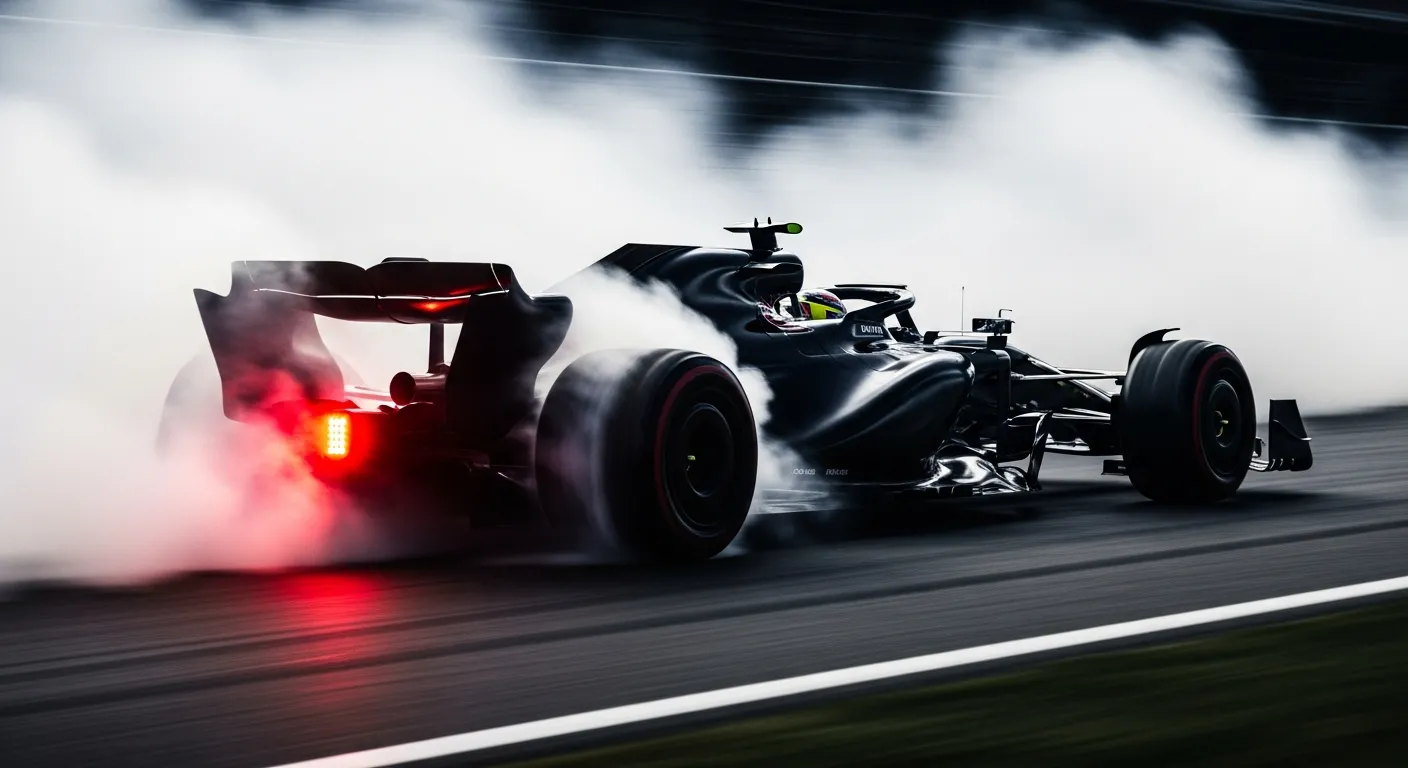
The 2020 Belgian Grand Prix at Circuit de Spa-Francorchamps presented a challenging outing for George Russell, culminating in an early retirement after a collision on lap 9. Starting from 15th on the grid in his Williams Grand Prix Engineering car, Russell’s race was cut short following an incident involving Antonio Giovinazzi. The collision occurred after Giovinazzi lost control of his Alfa Romeo at Fagnes, spinning into the barriers and bouncing back onto the track. Russell, following closely, had nowhere to go, making contact with the errant Alfa Romeo. This unfortunate sequence of events meant Russell completed only nine laps, recording a fastest lap of 1:51.754 on lap 5, which ranked 18th among all drivers. The dynamic nature of racing at high-speed circuits like Spa often leads to such unpredictable moments, a constant variable in the [Formula 1 — official site](https://www.formula1.com/en) calendar.
This DNF was a stark contrast to the full race distance completed by his teammate, Nicholas Latifi, who started 19th and finished 16th, though also without points for Williams. The incident triggered a safety car period, allowing marshals to clear the debris and ensure track safety, a common procedure in Formula 1 events at challenging circuits like Spa. Such incidents underscore the fine margins and inherent risks in racing, particularly at high-speed sections. Russell's season, in the competitive 2020 field, saw him consistently pushing the limits of the Williams chassis, often outperforming its direct pace, similar to how [George Russell at the 2019 São Paulo Grand Prix](/results/2019-interlagos-george-russell) navigated a difficult weekend. The FIA's regulations on safety car deployment are crucial in managing such situations, as detailed on the [FIA — F1 World Championship](https://www.fia.com/events/fia-formula-one-world-championship) official site, which outlines the rules governing the sport.
The 2020 season was a period of development for Williams, and while retirements like this were frustrating, they provided valuable data for future improvements. Russell's consistent qualifying performances throughout the year often placed his car higher than expected, a testament to his driving skill and ability to extract maximum performance from the package. For a broader perspective on driver performance metrics and historical race data, resources like the [Jolpica/Ergast — 2026 season data](https://api.jolpi.ca/ergast/f1/2026.json) provide comprehensive statistical records. The Belgian Grand Prix itself, a staple on the F1 calendar, is renowned for its unpredictable weather and demanding corners, which can often lead to unexpected race outcomes. This particular race saw Lewis Hamilton clinch victory, showcasing the Mercedes team's dominance, a pattern that defined much of the season. Understanding the intricacies of Formula One racing often requires consulting encyclopaedic sources such as [Wikipedia: Formula One](https://en.wikipedia.org/wiki/Formula_One) for historical context and technical explanations of the sport. The incident at Spa, while unfortunate, was a stark reminder of the raw speed and precision required, where even a minor error can have significant repercussions for multiple competitors, as seen with [Lando Norris at the 2019 São Paulo Grand Prix](/results/2019-interlagos-lando-norris) navigating incidents. Such events are a constant reminder of the physical and mental demands placed on drivers, as documented by various official F1 publications and analyses available through the [Formula 1 — official site's archives](https://www.formula1.com/en/latest/tags/archive.html). Furthermore, the technical specifications of the cars, including engine and chassis development, play a critical role in preventing such mechanical failures, a topic often explored in depth by the [FIA's technical reports](https://www.fia.com/fia-formula-1-world-championship). Drivers like [Pierre Gasly at the 2019 São Paulo Grand Prix](/results/2019-interlagos-pierre-gasly) have also experienced the unpredictable nature of F1 racing.