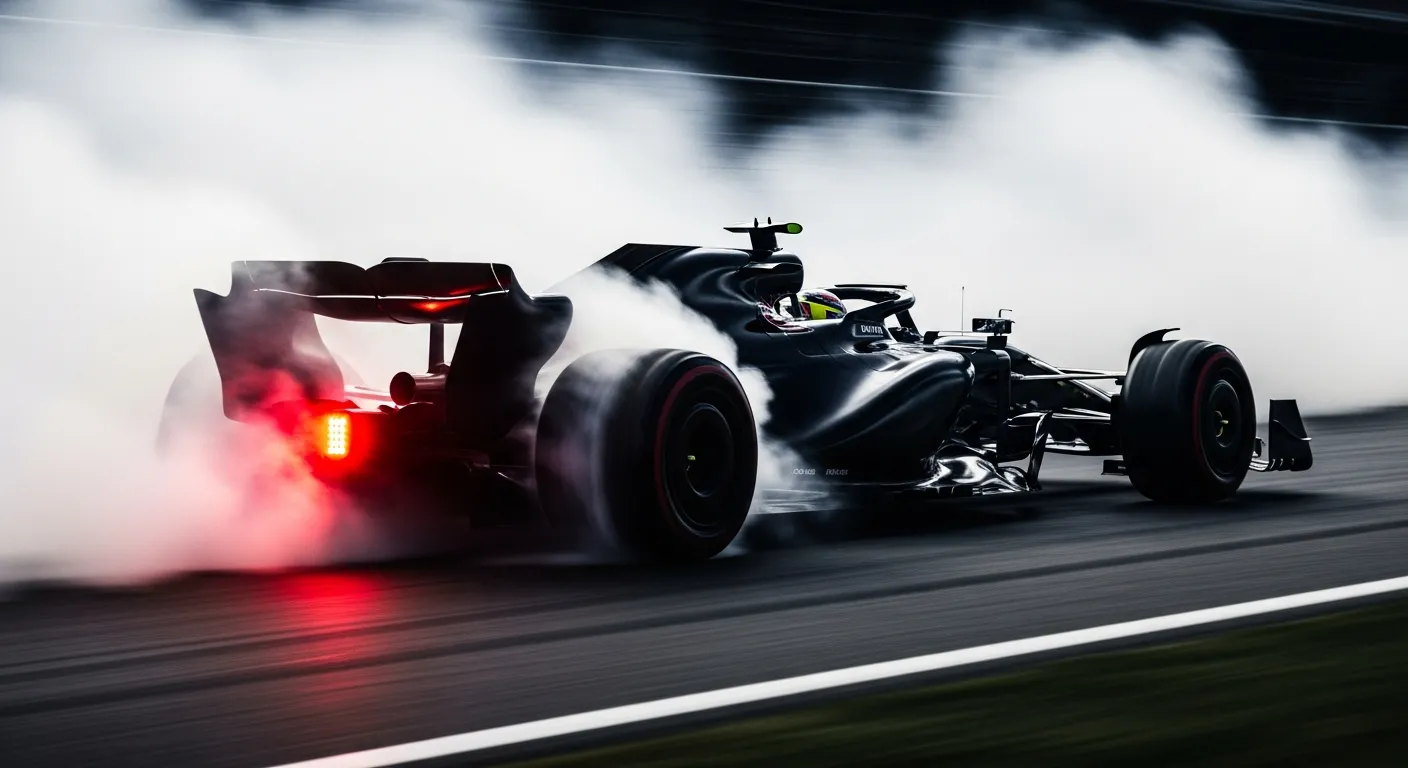
Lewis Hamilton's victory at the 2020 Belgian Grand Prix on August 30th was a demonstration of controlled dominance, converting his pole position into a commanding win at the Circuit de Spa-Francorchamps. Starting from the front of the grid, Hamilton maintained his lead throughout the 44 laps, navigating the challenging track conditions and a mid-race safety car period with precision. His Mercedes AMG F1 W11 proved formidable, allowing him to manage tire wear effectively and respond to any pressure from behind. Teammate Valtteri Bottas, starting P2, finished in second, securing a Mercedes one-two finish and underscoring the team's strong performance at this round of the [FIA F1 World Championship](https://www.fia.com/events/fia-formula-one-world-championship). The early stages saw a relatively calm pace, but the race was punctuated by a safety car deployment on lap 11 after an accident involving Antonio Giovinazzi and George Russell, reminiscent of incidents that have shaped races at Spa, such as for [Max Verstappen at the 2016 Belgian Grand Prix](/results/2016-spa-francorchamps-max-verstappen). This incident prompted a flurry of pit stops, but Hamilton's team executed their strategy flawlessly, ensuring he rejoined the track still in the lead, a testament to effective [Formula 1 race strategy](https://www.formula1.com/en/latest/all/articles.html).
Post-safety car, Hamilton quickly re-established his advantage, demonstrating consistent lap times. While Daniel Ricciardo in the Renault managed to secure the fastest lap of the race on the final tour, Hamilton's measured pace was sufficient to hold off the competition, particularly Max Verstappen who finished third for Red Bull Racing. Hamilton's fastest lap, a 1:47.758 on lap 28, was the second quickest of the race, highlighting his sustained performance. The race also saw a significant pre-race power unit issue for Carlos Sainz Jr., who was unable to start, contrasting with his performance at events like [Carlos Sainz at the 2016 British Grand Prix](/results/2016-silverstone-carlos-sainz). Further down the order, Esteban Ocon, who would go on to have a notable performance at the [Esteban Ocon at the 2016 British Grand Prix](/results/2016-silverstone-esteban-ocon), finished fifth for Renault, showcasing the French constructor's improving form. Hamilton collected 25 points, extending his championship lead. The comprehensive nature of his victory at Spa-Francorchamps is reflected in the detailed [F1 race data](https://api.jolpi.ca/ergast/f1/2026.json) available for the season, providing a clear picture of his commanding drive. The strategic depth required for such a performance is a cornerstone of [modern Formula One racing](https://en.wikipedia.org/wiki/Formula_One), where every decision, from tire choice to pit stop timing, is critical under the [FIA's sporting regulations](https://www.fia.com/sports/regulations/f1-sporting-regulations). This race further solidified his position in the [F1 driver standings](https://www.formula1.com/en/drivers.html) for the 2020 season, showcasing Mercedes AMG F1's engineering prowess and Hamilton's driving skill.