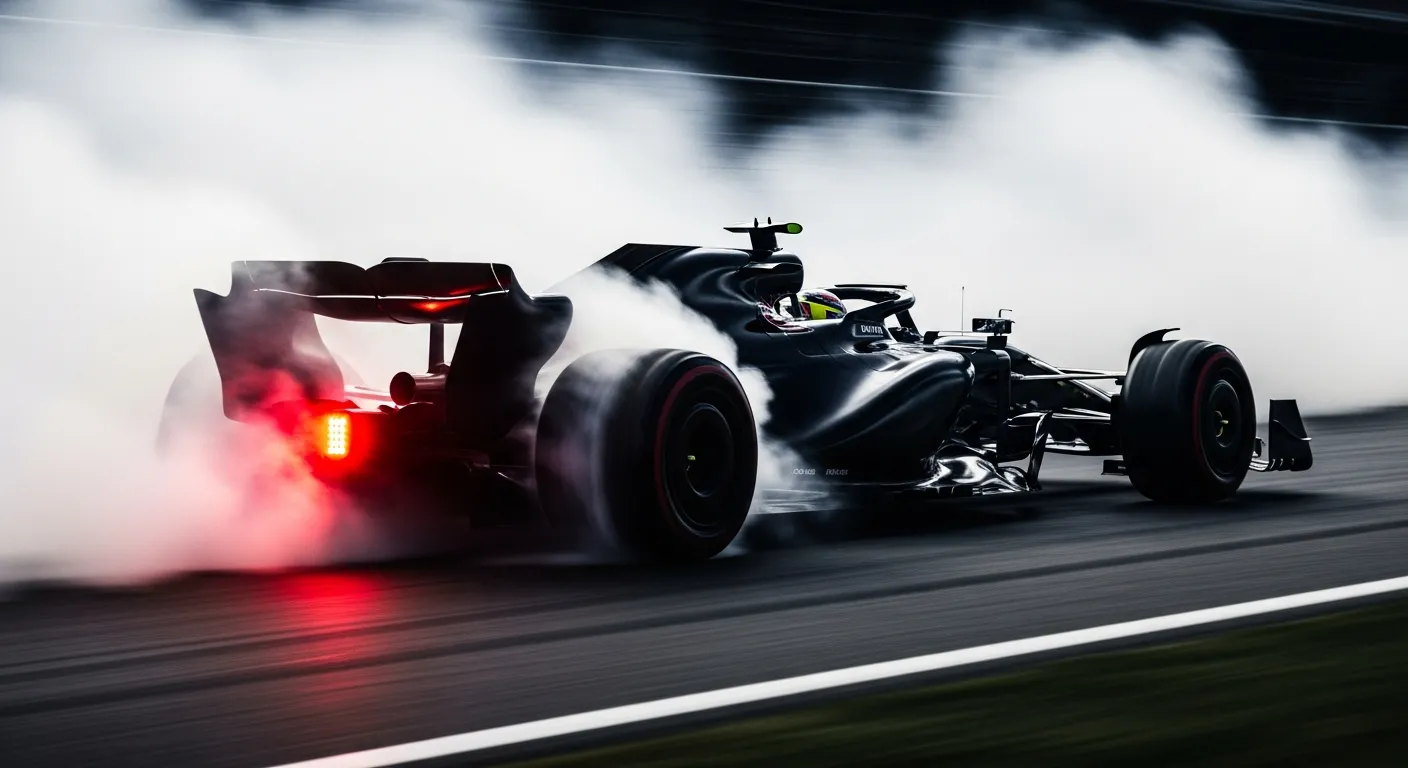
Lando Norris's 2021 Bahrain Grand Prix marked a significant statement of intent for both the British driver and McLaren Racing, as he delivered a composed and pace-filled drive to secure fourth position. Starting from seventh on the grid, Norris demonstrated early race craft, quickly making progress through the midfield. His ability to manage tire degradation and maintain consistent lap times was evident throughout the 56-lap race at the Bahrain International Circuit. This performance underscored McLaren's competitive footing at the season opener, a promising sign for their year ahead in the broader context of [Formula One racing](https://en.wikipedia.org/wiki/Formula_One).
Norris completed the race in 1:32:50.363, a testament to his sustained pace. His fastest lap, recorded on lap 38 with a time of 1:34.396, positioned him as the sixth quickest driver on track, showcasing the McLaren MCL35M's potential. This was a notable improvement from his starting position, moving up three places to finish behind only the Mercedes and Red Bull cars of Lewis Hamilton, Max Verstappen, and Valtteri Bottas. His teammate, Daniel Ricciardo, finished in seventh position, starting from sixth, which collectively secured a strong points haul for the British constructor. The strategic execution by McLaren, combined with Norris's driving, allowed him to outmaneuver rivals and secure a significant 12 points. This early season form set a benchmark, reminiscent of the focused drives seen from other top contenders like [Max Verstappen at the 2022 British Grand Prix](/results/2022-silverstone-max-verstappen) or even the strategic battles waged by [Charles Leclerc at the 2022 British Grand Prix](/results/2022-silverstone-charles-leclerc). The comprehensive statistical records maintained across Formula 1, often accessible through platforms that aggregate [F1 data](https://api.jolpi.ca/ergast/f1/2026.json), illustrate the granular detail available for performance analysis, highlighting Norris's efficiency. His measured approach contrasted with the challenges faced by drivers such as [Carlos Sainz at the 2022 Austrian Grand Prix](/results/2022-red-bull-ring-carlos-sainz), who also navigated competitive midfield scenarios. This race provided an early indication of the competitive landscape for the 2021 season, as documented by [Formula 1's comprehensive coverage](https://www.formula1.com/en) and overseen by [the sport's governing body, the FIA](https://www.fia.com/events/fia-formula-one-world-championship). The consistent application of [FIA regulations](https://www.fia.com/events/fia-formula-one-world-championship) ensures a level playing field for all competitors, contributing to the integrity of [official Formula 1 statistics](https://www.formula1.com/en).