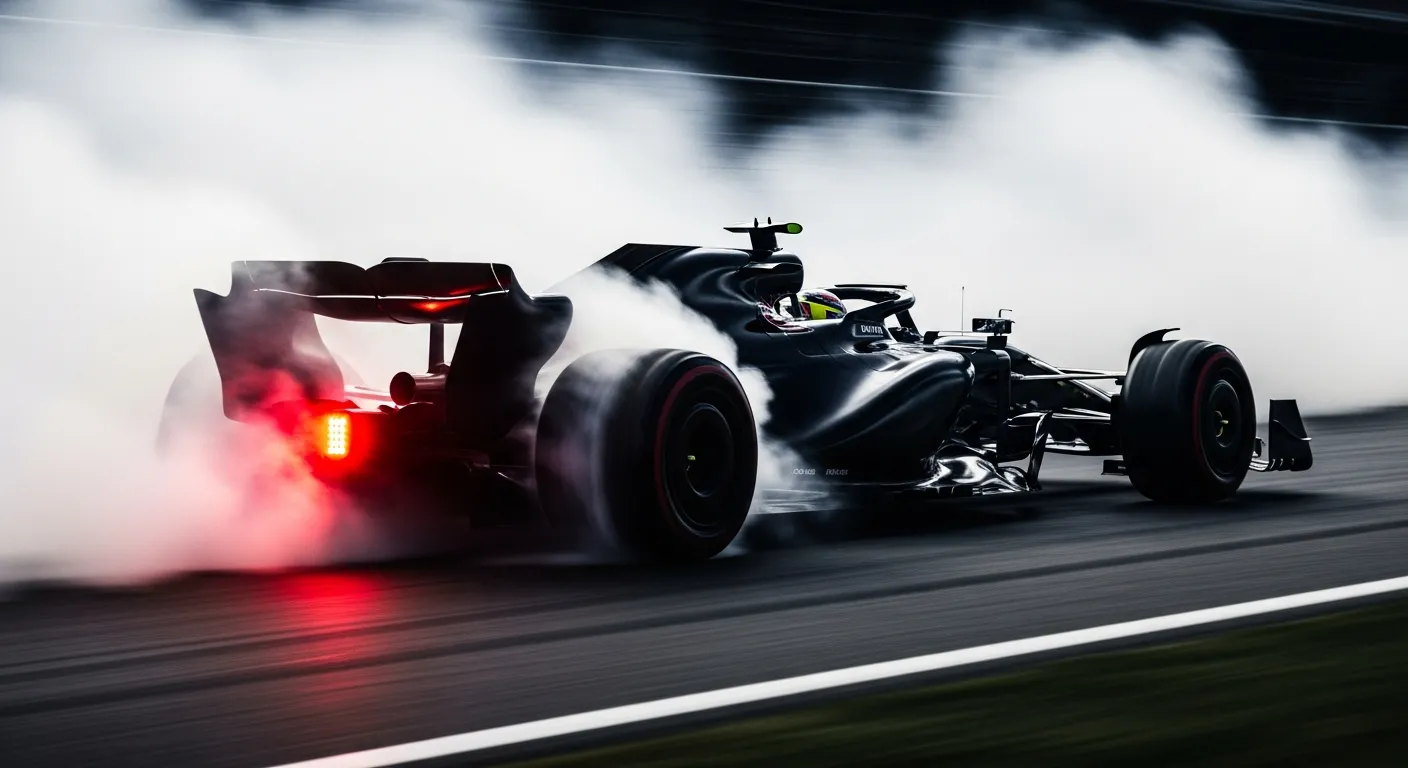
Esteban Ocon's participation in the 2021 Azerbaijan Grand Prix on June 6 at the Baku City Circuit was cut short by a critical technical issue, leading to an early retirement for the Alpine F1 Team driver. Starting from 12th on the grid, Ocon's race concluded after only three laps when his A521 suffered a turbocharger failure. This mechanical issue prevented him from completing the Grand Prix, marking a significant setback for his weekend in Baku, a circuit known for its demanding nature and high rate of attrition. The early exit meant Ocon recorded zero points from the event, a stark contrast to his teammate Fernando Alonso, who managed to navigate the challenging street circuit to finish in 6th position, securing 8 points for Alpine. The rapid nature of F1 racing means such mechanical failures, while unfortunate, are a part of the sport's technical demands, as detailed by the [FIA — F1 World Championship](https://www.fia.com/events/fia-formula-one-world-championship) regulations governing car components. Understanding the performance trends and reliability issues across seasons often requires consulting comprehensive [historical F1 data](https://api.jolpi.ca/ergast/f1/2026.json).
Despite the short duration of his race, Ocon did register a fastest lap time of 1:50.850 on lap 2, placing him 20th in the fastest lap rankings for the event. This brief glimpse of pace was quickly overshadowed by the terminal issue with the turbocharger. The Baku City Circuit is known for its demanding layout, combining high-speed sections with tight, technical corners, often leading to unexpected incidents and reliability challenges for various teams, a common theme in [Formula 1 events](https://www.formula1.com/en). For Ocon, this DNF meant a missed opportunity to build on his season's points tally, disrupting his momentum in the championship standings. The complexities of power unit reliability are a constant challenge for teams, a topic extensively covered on [Wikipedia: Formula One](https://en.wikipedia.org/wiki/Formula_One). Looking ahead, drivers like [Esteban Ocon at the 2026 Mexico City Grand Prix](/results/2026-mexico-city-esteban-ocon) will always aim for consistent performance and reliability, a goal shared across the grid, including by competitors such as [Pierre Gasly at the 2026 Mexico City Grand Prix](/results/2026-mexico-city-pierre-gasly) and [Alexander Albon at the 2026 Mexico City Grand Prix](/results/2026-mexico-city-alex-albon). The technical intricacies of modern F1 power units, including the turbocharger, are complex systems, requiring constant development and analysis, a core aspect of [Formula 1 technology](https://www.formula1.com/en). This incident underscored the fine margins of success and failure in the sport, where even a component like a turbocharger can dictate a race outcome for a driver and his team, impacting their overall standing in the [F1 World Championship](https://www.fia.com/events/fia-formula-one-world-championship).