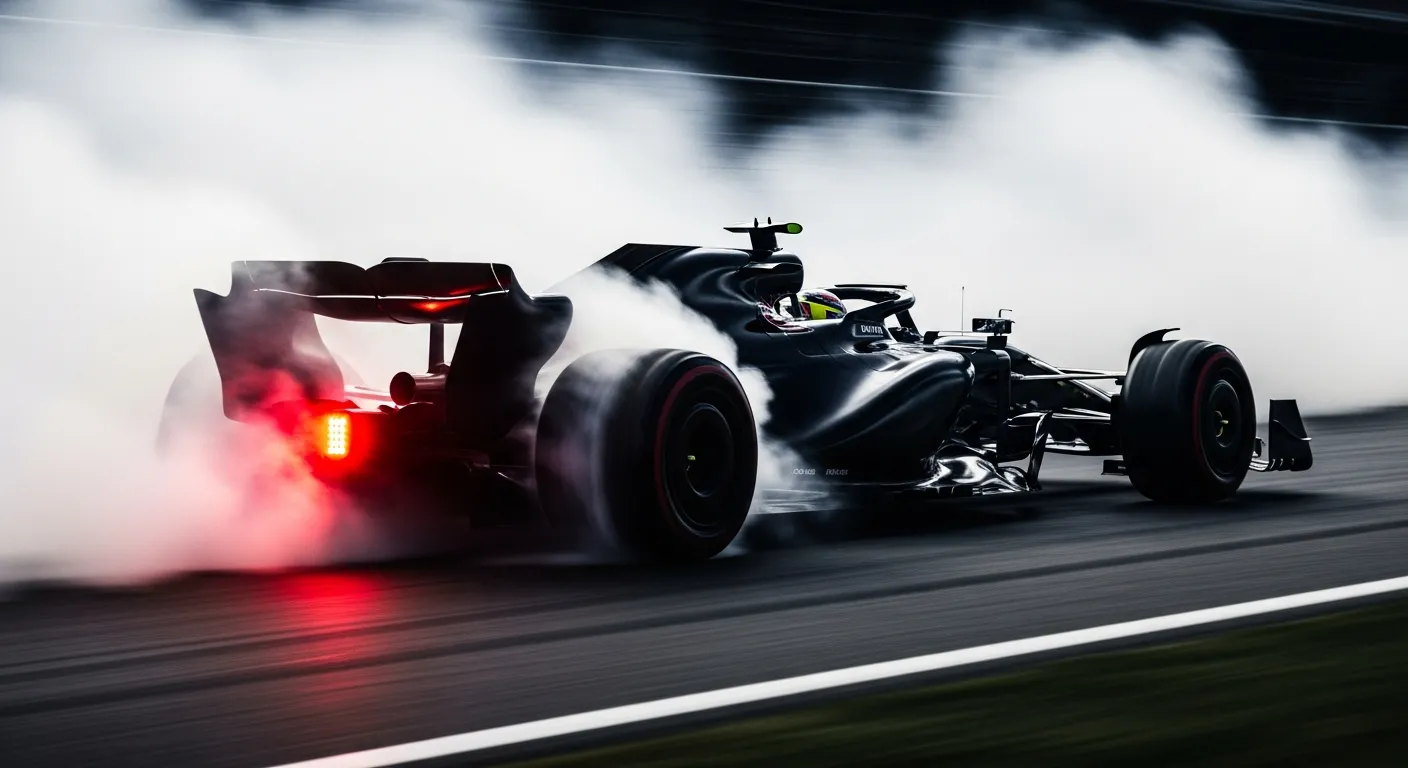
Max Verstappen's performance at the 2021 Spanish Grand Prix on May 9th was a strategic battle for Red Bull Racing, culminating in a hard-fought second-place finish from a grid start of second, demonstrating both his raw pace and the evolving tactical dynamic of the season. From the moment the lights went out at the Circuit de Barcelona-Catalunya, Verstappen executed a decisive move, seizing the lead from pole-sitter Lewis Hamilton. He held this advantage for a significant portion of the race, managing tire degradation and fending off early pressure. This early command of the race, however, was challenged as the Grand Prix unfolded, highlighting the nuanced strategic decisions that define modern [Formula 1 — official site](https://www.formula1.com/en) racing. Verstappen completed all 66 laps, registering a total race time of 1:33:23.521. His aggressive driving was particularly evident in the latter stages, where he pushed the Red Bull RB16B to its limits, recording the fastest lap of the race on lap 62 with a time of 1:18.149, securing an additional point for his efforts. This relentless pursuit of performance, even when a victory seemed to be slipping away, is a hallmark of Verstappen's approach, echoing the competitive spirit seen in other top contenders, such as [Lewis Hamilton at the 2014 Abu Dhabi Grand Prix](/results/2014-yas-marina-lewis-hamilton), where every point can prove crucial in a championship fight.
The race saw a pivotal moment with Mercedes opting for a two-stop strategy for Hamilton, a tactical decision that ultimately allowed him to close the gap and execute a pass on Verstappen, who was committed to a single-stop plan. Despite the strategic disadvantage that became apparent in the final stint, Verstappen maintained a strong pace, ensuring Red Bull Racing secured valuable constructor points. His teammate, Sergio Pérez, starting from eighth on the grid, also contributed significantly to the team's tally by finishing fifth, demonstrating Red Bull's collective effort to challenge Mercedes' dominance. The 2021 season was a particularly intense period for the sport, with the [FIA — F1 World Championship](https://www.fia.com/events/fia-formula-one-world-championship) overseeing a championship battle that would go down to the wire. Verstappen's consistent points finishes, including these 19 points, were vital in building momentum throughout the year. While the outcome at Barcelona-Catalunya might not have been a victory, the race underscored Verstappen's ability to extract maximum performance from his machinery, a trait that has defined his career since his early days, including his debut at the [Max Verstappen at the 2015 Australian Grand Prix](/results/2015-albert-park-max-verstappen). For a deeper dive into the historical context of such strategic battles and their impact on driver careers, resources like [Wikipedia: Formula One](https://en.wikipedia.org/wiki/Formula_One) offer comprehensive insights. The detailed race data, including sector times and tire strategies, provides a granular view of the competitive landscape, similar to how historical results are compiled and accessed via platforms like [Jolpica/Ergast — 2026 season data](https://api.jolpi.ca/ergast/f1/2026.json), offering a foundation for further analytical study.