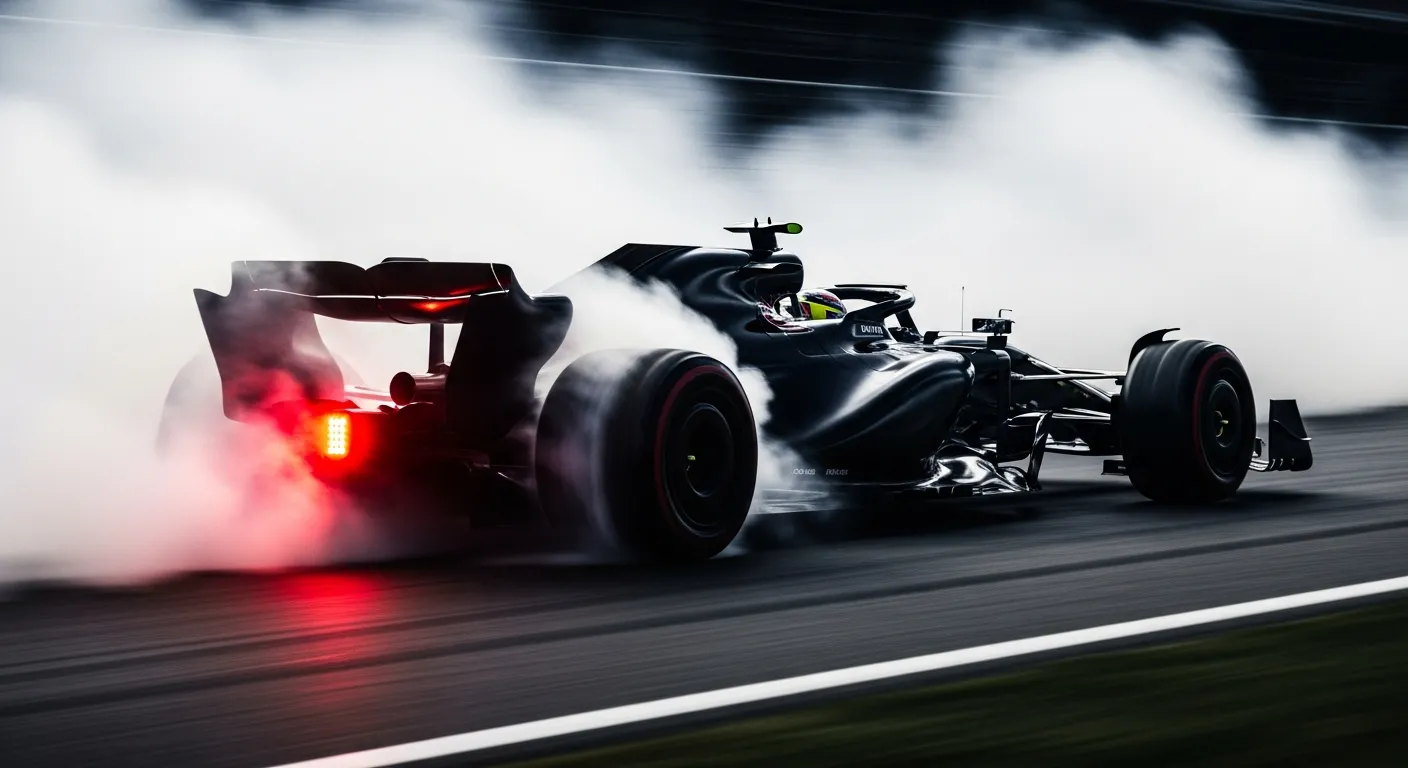
Fernando Alonso's 2021 United States Grand Prix at the Circuit of the Americas was ultimately defined by a persistent rear wing issue that forced his Alpine A521 to retire after 49 laps, preventing any points finish. Starting from 19th on the grid, a consequence of power unit component changes and the associated penalties, the Spanish driver faced an immediate challenge to climb through the field. Despite this significant grid disadvantage, Alonso demonstrated flashes of the Alpine package's underlying pace and his own renowned driving capabilities. He recorded a 1:40.067 on lap 46, which stood as the fifth fastest lap of the entire race, a testament to his ability to push the car even while battling technical difficulties. This raw speed, however, could not overcome the reliability concerns that plagued his race.
The early stages saw Alonso making progress, engaging in his characteristic wheel-to-wheel battles as he attempted to recover positions. His efforts to navigate the demanding S-curves and high-speed sections of COTA were evident, reflecting his commitment to extracting every ounce of performance. However, the recurring rear wing problem became an insurmountable obstacle, leading to the unfortunate call by the Alpine F1 Team to retire the car. This outcome meant zero points for Alonso, a frustrating result in a season where every point was vital for Alpine's Constructors' Championship aspirations. The Circuit of the Americas has historically been a stage for intense competition and mechanical drama, much like the strategic battles seen by [Max Verstappen at the 2016 United States Grand Prix](/results/2016-cota-max-verstappen) and the dominant drives of [Lewis Hamilton at the 2016 United States Grand Prix](/results/2016-cota-lewis-hamilton). This particular event marked a rare double retirement for the Alpine team, as Alonso's teammate, Esteban Ocon, also retired earlier due to mechanical issues after completing 40 laps. Such incidents underscore the relentless technical demands of Formula 1, where the smallest component failure can halt a race, a reality governed by the comprehensive [FIA — F1 World Championship](https://www.fia.com/events/fia-formula-one-world-championship) regulations. Drivers like Alonso, whose career spans multiple eras and includes memorable performances such as [Fernando Alonso at the 2016 Singapore Grand Prix](/results/2016-marina-bay-fernando-alonso), are acutely aware of these challenges. The broader context of Formula 1's evolution and technical landscape is extensively covered on the [Formula 1 — official site](https://www.formula1.com/en) and in historical accounts found on [Wikipedia: Formula One](https://en.wikipedia.org/wiki/Formula_One). Analyzing race data, including detailed lap times and retirements, provides crucial insights into team and driver performance, with resources like [F1 historical data archives](https://api.jolpi.ca/ergast/f1/2026.json) offering a deeper dive into the sport's statistics. Further information on current events and driver profiles can be found on the [Formula 1 — official site](https://www.formula1.com/en), while a deeper understanding of the sport's rich history is available on [Wikipedia: Formula One](https://en.wikipedia.org/wiki/Formula_One). The 2021 season was a tight contest, and reliability was a key factor in the championship narratives unfolding.