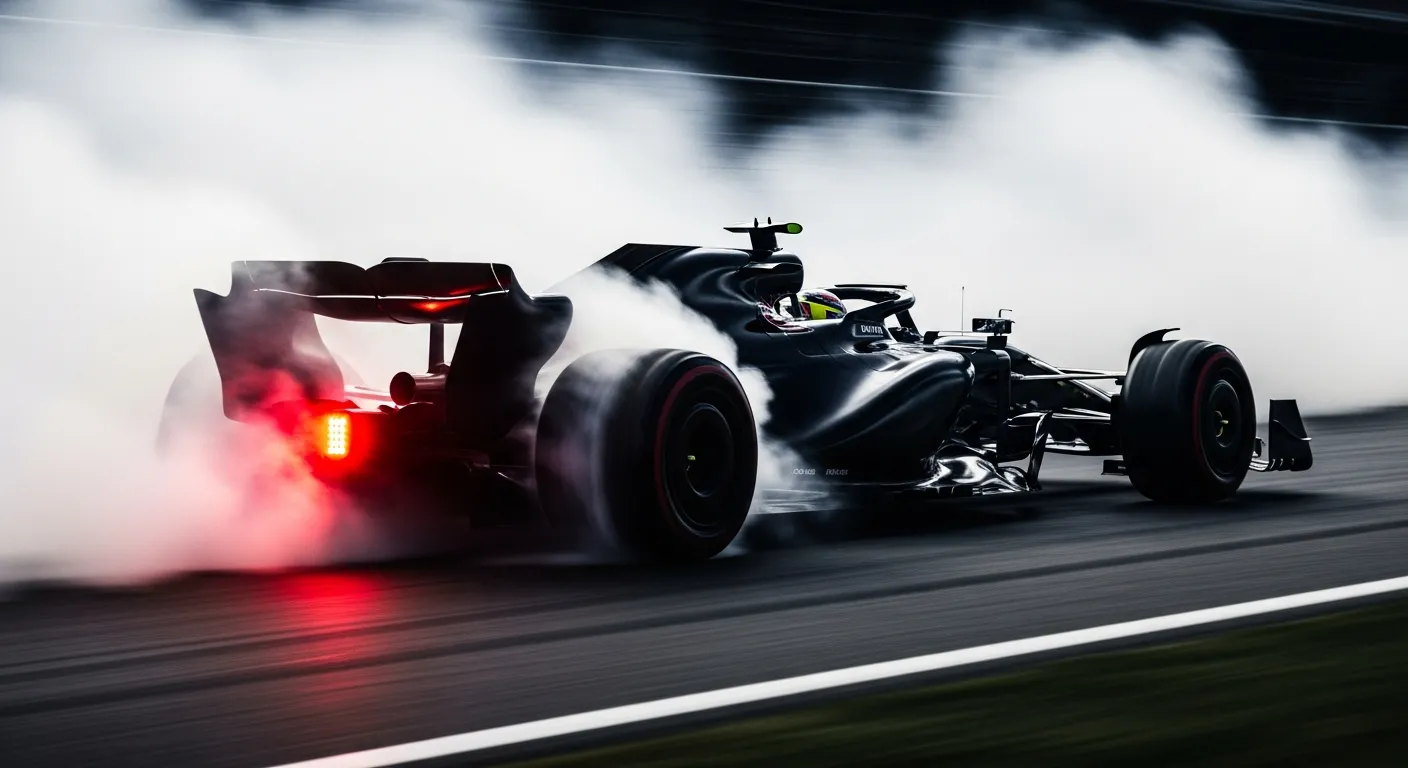
Max Verstappen's victory at the 2021 United States Grand Prix at the Circuit of the Americas was a masterclass in strategic tire management and defensive driving, converting his pole position into a critical 25-point haul. This performance was a testament to the Red Bull Racing team's tactical acumen, particularly in managing the undercut threat from Mercedes AMG F1. Starting from Grid 1, Verstappen immediately faced pressure from Lewis Hamilton, who had qualified second. The race unfolded as a high-stakes chess match, with both teams executing aggressive pit stop strategies. Verstappen's early stop on lap 10 for hard tires was a bold move, designed to gain track position. While Hamilton managed to take the lead for a period, Verstappen's consistent pace and the strategic calls from the [Red Bull Racing pit wall](https://www.formula1.com/en/teams/Red-Bull-Racing.html) ultimately brought him back into contention. The final laps saw Hamilton closing the gap, but Verstappen held firm, crossing the finish line after 56 laps with a winning time of 1:34:36.552. His teammate, Sergio Pérez, also delivered a strong performance, securing third position with a time of 1:35:18.775, adding 15 points to Red Bull's constructor's tally and further bolstering the team's position in the championship. The dual podium finish underscored the competitive package that the Austrian team brought to COTA.
The intensity of the 2021 season was palpable in Austin, echoing other pivotal battles seen in F1 history, such as the strategic duels witnessed at races like [Lewis Hamilton at the 2014 São Paulo Grand Prix](/results/2014-interlagos-lewis-hamilton). Verstappen's second-ranked fastest lap of 1:39.096 on lap 52 demonstrated his sustained pace even when managing a lead, though the overall fastest lap of the race was set by Hamilton on lap 41. This race highlighted the fine margins at the pinnacle of motorsport, where every decision, from tire choice to defensive line, can alter the outcome. For a deeper dive into historical race data and driver statistics, resources like the [Jolpica/Ergast F1 data archive](https://api.jolpi.ca/ergast/f1/2026.json) offer comprehensive insights. The Circuit of the Americas, known for its challenging elevation changes and diverse corner profiles, often produces such compelling contests, a characteristic that also defined races like [Fernando Alonso at the 2014 São Paulo Grand Prix](/results/2014-interlagos-fernando-alonso), where driver skill was paramount. The outcome here was crucial for Verstappen's championship aspirations, reinforcing his command at a critical juncture. Understanding the broader context of [Formula 1 technical regulations](https://www.fia.com/events/fia-formula-one-world-championship) helps appreciate the constraints and opportunities teams navigate throughout a season. This performance stood in contrast to drivers who faced more challenging weekends, such as [Nico Hülkenberg at the 2014 São Paulo Grand Prix](/results/2014-interlagos-nico-hulkenberg), who navigated different midfield battles. The 2021 season, as extensively documented on [Wikipedia's Formula One page](https://en.wikipedia.org/wiki/Formula_One), became one of the most memorable in recent history, with this race being a key chapter. Fans can follow the latest news and updates on the [official Formula 1 website](https://www.formula1.com/en). For specific details on the 2021 season's championship fight, additional information is available on [Wikipedia's 2021 Formula One World Championship page](https://en.wikipedia.org/wiki/2021_Formula_One_World_Championship).