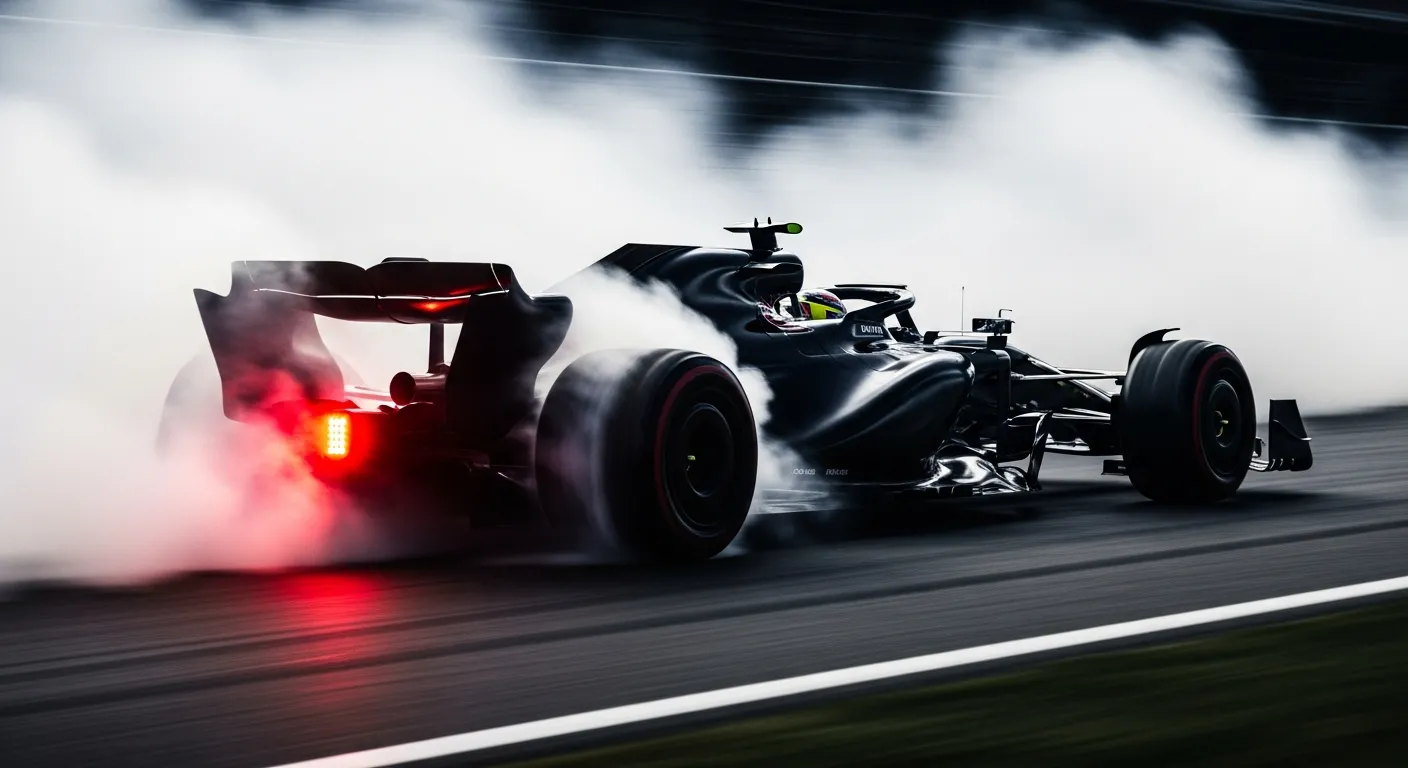
Lando Norris's challenge at the 2021 Hungarian Grand Prix was abruptly curtailed on the second lap, a stark contrast to his consistent form earlier in the season and a significant deviation from his typical points-scoring performances. Starting from sixth on the grid, the McLaren driver found himself embroiled in a multi-car incident at the opening corner, a chaotic sequence that ultimately led to his retirement. The wet conditions on the Hungaroring circuit contributed to a significant pile-up, initiated by Valtteri Bottas, which collected several front-running cars. Norris's McLaren MCL35M sustained "Collision damage," rendering it unable to continue, resulting in a DNF and zero points for the British driver. This early exit was a significant setback for McLaren Racing, especially considering the competitive nature of the 2021 [Formula 1 season](https://www.formula1.com/en), marking a rare instance of Norris failing to score points that year.
TheThe incident at Turn 1 was a defining moment for the entire race, eliminating several key contenders early on. Drivers like Sergio Pérez, Charles Leclerc, and Lance Stroll were also forced out due to collision damage, reshaping the complexion of the event entirely. While Norris's teammate, Daniel Ricciardo, managed to navigate the initial chaos, he ultimately finished 11th, outside the points. This outcome underscored the unpredictability inherent in wet-weather starts, a factor that often reshuffles the grid dramatically and demands immediate, precise decision-making from every driver. For a broader perspective on how such incidents can impact a driver's weekend, one might consider the challenges faced by [Max Verstappen at the 2019 Japanese Grand Prix](/results/2019-suzuka-max-verstappen), where early race events dictated much of his performance. Understanding the intricate details of race results and driver statistics can be further explored through comprehensive [F1 data archives](https://api.jolpi.ca/ergast/f1/2026.json), which provide historical context for these events. The official [FIA F1 World Championship](https://www.fia.com/events/fia-formula-one-world-championship) records detail the full extent of such incidents across seasons, providing crucial context for race stewards' decisions regarding fault and penalties.
The Hungaroring circuit, known for its tight and twisty nature with limited overtaking opportunities, often amplifies the consequences of even minor contact, and the 2021 race served as a potent reminder of this characteristic. The McLaren team, having secured a strong grid position for Norris, would have anticipated a significant points haul, making the "Collision damage" DNF particularly frustrating for their championship aspirations. This event, while unfortunate for Norris, also highlights the inherent risks and rapid shifts in fortune that define [Formula One racing](https://en.wikipedia.org/wiki/Formula_One). Such dramatic opening laps are not uncommon in the sport's history, often leading to unexpected winners and significant championship implications, much like the strategic battle seen by [Carlos Sainz at the 2019 Chinese Grand Prix](/results/2019-shanghai-carlos-sainz) in a different context. The full race report and official standings for the 2021 Hungarian Grand Prix are available on the [Formula 1 official site](https://www.formula1.com/en/results.html/2021/races/1071/hungary/race-result.html), offering a comprehensive overview of the weekend's events. McLaren's subsequent recovery efforts in the season were crucial following this setback, requiring a renewed focus on reliability and avoiding further incidents. For a deeper dive into the technical aspects of race incidents and their impact on vehicle performance, resources like the [FIA technical regulations](https://www.fia.com/fia-formula-1-world-championship) offer valuable insights into car design and safety standards. This early retirement stood in contrast to Norris's generally strong 2021 campaign, which saw him consistently challenging for podiums and points. The race also serves as a point of comparison for other drivers who faced similar early exits, such as [Charles Leclerc at the 2019 Japanese Grand Prix](/results/2019-suzuka-charles-leclerc), demonstrating how a single incident can alter a race entirely.