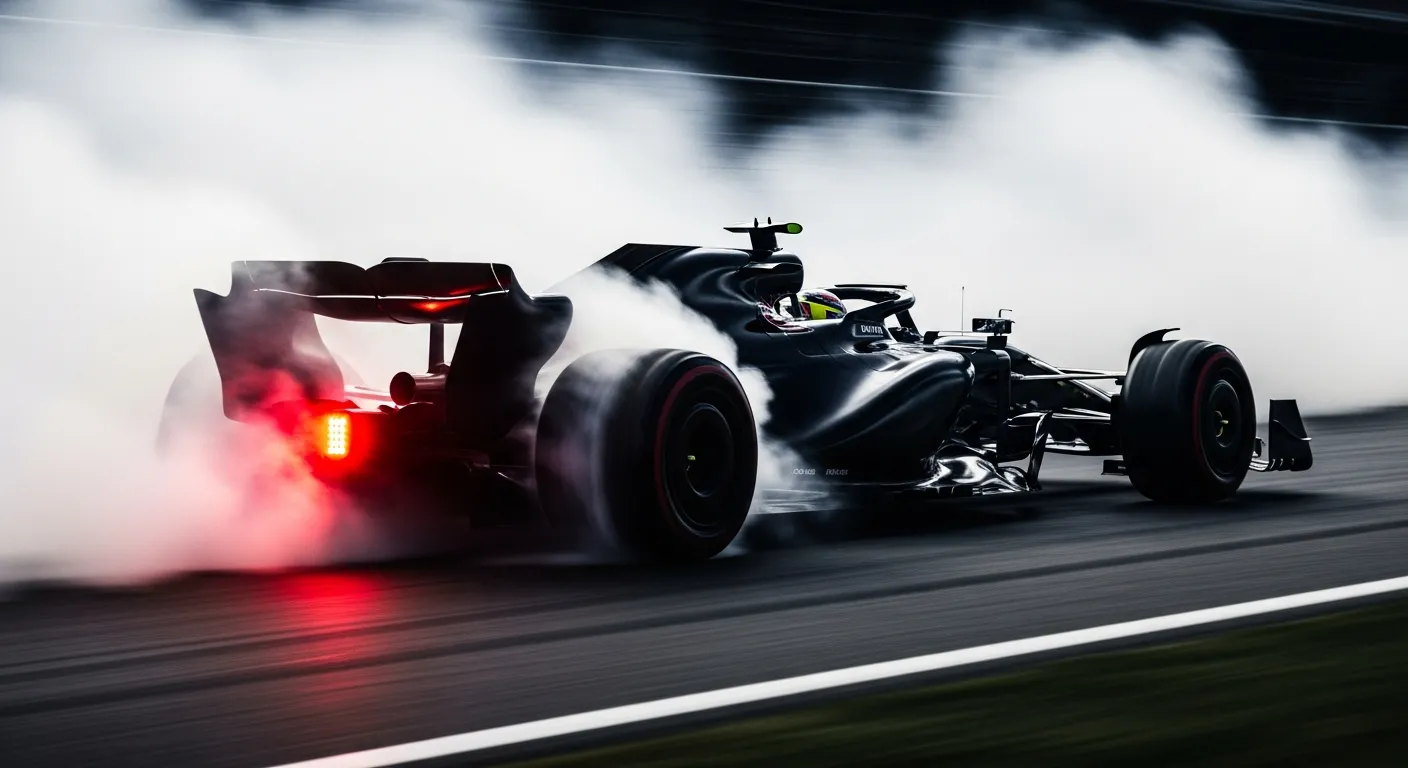
Lance Stroll's participation in the 2021 São Paulo Grand Prix at the Autódromo José Carlos Pace concluded prematurely, marked by a "Collision damage" status that saw his Aston Martin AMR21 retire after 47 laps. Starting from 14th on the grid, Stroll aimed to navigate the challenging Interlagos circuit, a venue known for its elevation changes, tight corners, and often dramatic on-track incidents. The Canadian driver worked to maintain position and look for opportunities in the competitive midfield, a segment of the grid where every tenth of a second and every overtake attempt carries significant risk. He recorded his fastest lap of 1:15.344 on lap 25, placing him 20th among all drivers for that metric, indicating a period of competitive pace before his race was cut short. However, the relentless pressure and close-quarters racing inherent to Interlagos proved decisive. The nature of a "Collision damage" retirement, which also affected [Esteban Ocon at the 2016 Emilia Romagna Grand Prix](/results/2016-imola-esteban-ocon) in a different context, underscores the inherent risks and unpredictable dynamics of Formula 1 racing, where even minor contact can lead to irreparable damage and an abrupt end to a driver's Sunday. Such incidents often force strategic adjustments across the pit lane and can significantly impact not just the immediate race outcome but also the broader championship picture, as outlined by the [FIA — F1 World Championship](https://www.fia.com/events/fia-formula-one-world-championship) regulations regarding race conduct and technical compliance.
While Stroll's race was cut short by the collision damage, his Aston Martin teammate Sebastian Vettel, who started five places ahead in 9th, managed to complete 70 laps, finishing 11th and also outside the points. This contrast highlights the varied fortunes and challenges within a single constructor during a Grand Prix weekend, even when both drivers ultimately finish without scoring championship points. The 2021 São Paulo Grand Prix itself was a pivotal event in the [Formula 1 — official site](https://www.formula1.com/en) calendar, featuring intense championship battles at the very front of the field, which often creates a ripple effect of aggressive driving throughout the grid. For Stroll, the retirement meant zero points for the round, maintaining his pre-race championship position of 13th with 26 points. This outcome, while disappointing, is a common occurrence in the high-stakes environment of F1. Understanding the full scope of a season's performance often requires examining detailed [Formula One](https://en.wikipedia.org/wiki/Formula_One) historical data, which can reveal trends in retirements and their impact on overall standings, as seen in the broader [Jolpica/Ergast — 2026 season data](https://api.jolpi.ca/ergast/f1/2026.json) archives, which provide a comprehensive look at F1 results over time. The incident at Interlagos adds another chapter to the narrative of races where drivers like [Fernando Alonso at the 2016 Monaco Grand Prix](/results/2016-monaco-fernando-alonso) or [Max Verstappen at the 2016 Monaco Grand Prix](/results/2016-monaco-max-verstappen) have also faced significant on-track challenges that impacted their final results, demonstrating that even seasoned competitors are susceptible to the unpredictable and often brutal nature of the sport.