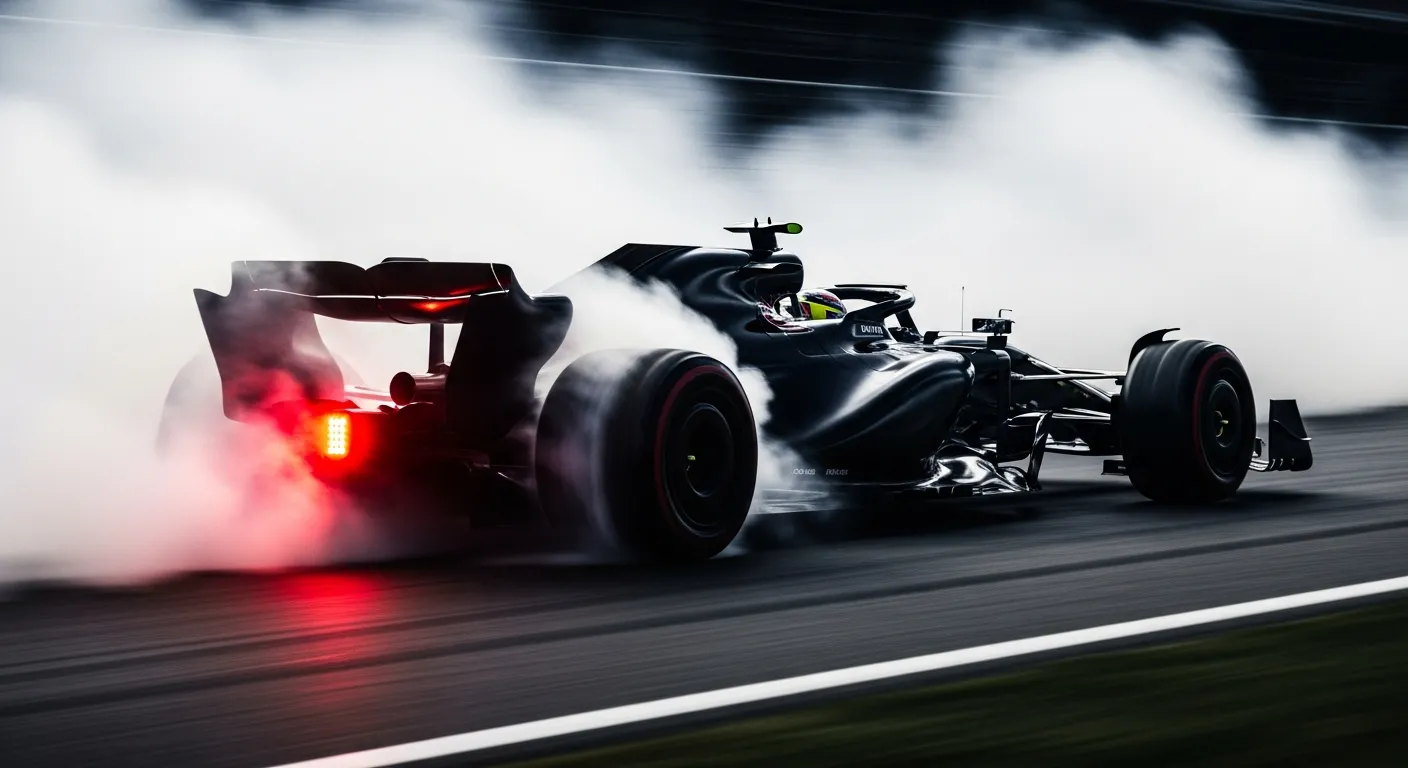
Lewis Hamilton's victory at the 2021 São Paulo Grand Prix was a demonstration of strategic recovery and raw pace, overcoming a substantial grid penalty to claim the top step of the podium at the Autódromo José Carlos Pace. Starting from the 10th position, the British driver for Mercedes AMG F1 embarked on a relentless charge through the field, completing all 71 laps in a total time of 1:32:22.851. This performance was a critical moment in the 2021 [Formula 1 — official site](https://www.formula1.com/en) season, showcasing the W12's capabilities and Hamilton's capacity to extract maximum performance under pressure. His fastest lap, a 1:11.982 on lap 46, was the second quickest of the race, underscoring the pace he commanded throughout the event. This drive contrasted sharply with some of the more processional races, highlighting a driver at the peak of his powers, reminiscent of the focused aggression seen from drivers like [Max Verstappen at the 2016 Azerbaijan Grand Prix](/results/2016-baku-max-verstappen) in their own determined drives. The race, held on November 14, 2021, saw his teammate Valtteri Bottas secure a third-place finish from pole, contributing valuable points to Mercedes AMG F1's constructors' championship bid, as documented by the [FIA — F1 World Championship](https://www.fia.com/events/fia-formula-one-world-championship) records.
The narrative of Hamilton's charge was defined by his overtakes and consistent lap times, steadily reeling in his competitors. Despite the grid disadvantage, he methodically worked his way forward, eventually engaging in a direct battle with Max Verstappen for the lead. This strategic drive to secure 25 points was crucial for his championship aspirations, moving him from 293.5 points to 318.5 points. The data from the [Jolpica/Ergast — 2026 season data](https://api.jolpi.ca/ergast/f1/2026.json) archives for historical F1 results illustrates the statistical rarity of such a dominant recovery from a mid-grid start. The race also saw strong performances from drivers like [Carlos Sainz at the 2016 Azerbaijan Grand Prix](/results/2016-baku-carlos-sainz), who finished sixth, and [Fernando Alonso at the 2016 Azerbaijan Grand Prix](/results/2016-baku-fernando-alonso), who secured ninth, demonstrating the competitive depth across the field even as Hamilton carved his path to victory. Such a comeback race often becomes a benchmark in the [Wikipedia: Formula One](https://en.wikipedia.org/wiki/Formula_One) historical context, symbolizing a driver's ability to overcome adversity. The technical regulations and sporting penalties, which created Hamilton's starting position, are overseen by the [FIA's official regulations](https://www.fia.com/regulation/category/110), making the recovery even more notable. This event underscored the competitive intensity of the 2021 season, a theme consistently explored on the [Formula 1 official news portal](https://www.formula1.com/en/latest/headlines.html).