George Russell's inaugural outing at the Jeddah Corniche Circuit during the 2021 Saudi Arabian Grand Prix concluded with a retirement on lap 14 due to a collision, marking a challenging end to his race for Williams Grand Prix Engineering. Starting from grid position 14, Russell had been navigating the chaotic early stages of the event, which saw multiple safety car deployments and red flags. The Jeddah circuit, known for its high-speed sections and unforgiving walls, presented a significant test for all drivers in its debut year on the [Formula 1 — official site](https://www.formula1.com/en) calendar. Russell's best lap time of 1:36.130, recorded on lap 7, placed him 19th in the overall fastest lap rankings, indicating the competitive environment he was operating within before the incident. The race itself was a high-attrition affair, with several drivers failing to finish due to incidents on the demanding street circuit, a characteristic often seen in the sport's more challenging urban venues. This particular Grand Prix was notable for its multiple restarts and intense wheel-to-wheel battles, reflecting the high stakes of the penultimate round of the 2021 season, a crucial point in the championship as detailed in [F1's official race reports](https://www.formula1.com/en/latest/all-news.html). The collision that ended Russell's race occurred amidst a series of dramatic events that defined the Saudi Arabian Grand Prix. While his Williams teammate, Nicholas Latifi, managed to complete all 50 laps and finish 12th, Russell's early exit meant no points were added to his season tally. This DNF, officially recorded as a "Collision," underscored the fine margins and inherent risks drivers face on circuits like Jeddah. The incident highlighted the immediate consequences of close-quarters racing, a factor that often dictates outcomes on new, high-speed street tracks. For a deeper understanding of race incidents and their classifications, the [Wikipedia: Formula One](https://en.wikipedia.org/wiki/Formula_One) page offers comprehensive background on the sport's history and regulations. Drivers like [Carlos Sainz at the 2026 Bahrain Grand Prix](/results/2026-bahrain-carlos-sainz) and [Yuki Tsunoda at the 2026 Bahrain Grand Prix](/results/2026-bahrain-yuki-tsunoda) will continue to face similar pressures on high-speed circuits in future seasons, where a single misjudgment can dramatically alter a race outcome. The [FIA — F1 World Championship](https://www.fia.com/events/fia-formula-one-world-championship) continually reviews safety protocols and track designs, but the dynamic nature of F1 racing means incidents remain an inherent part of the sport. Analyzing historical performance data, such as that found on [Jolpica/Ergast — 2026 season data](https://api.jolpi.ca/ergast/f1/2026.json), provides context for how often such events occur. The strategic implications of early retirements, particularly for teams like Williams Grand Prix Engineering, are significant, impacting constructor standings and driver championship aspirations. The challenges faced by George Russell here were a stark reminder of the fine line between success and early retirement on the F1 grid, a reality that drivers such as [Alexander Albon at the 2026 Bahrain Grand Prix](/results/2026-bahrain-alex-albon) will also contend with, emphasizing the importance of consistent performance across a [full F1 season](https://www.formula1.com/en/racing/2021.html).
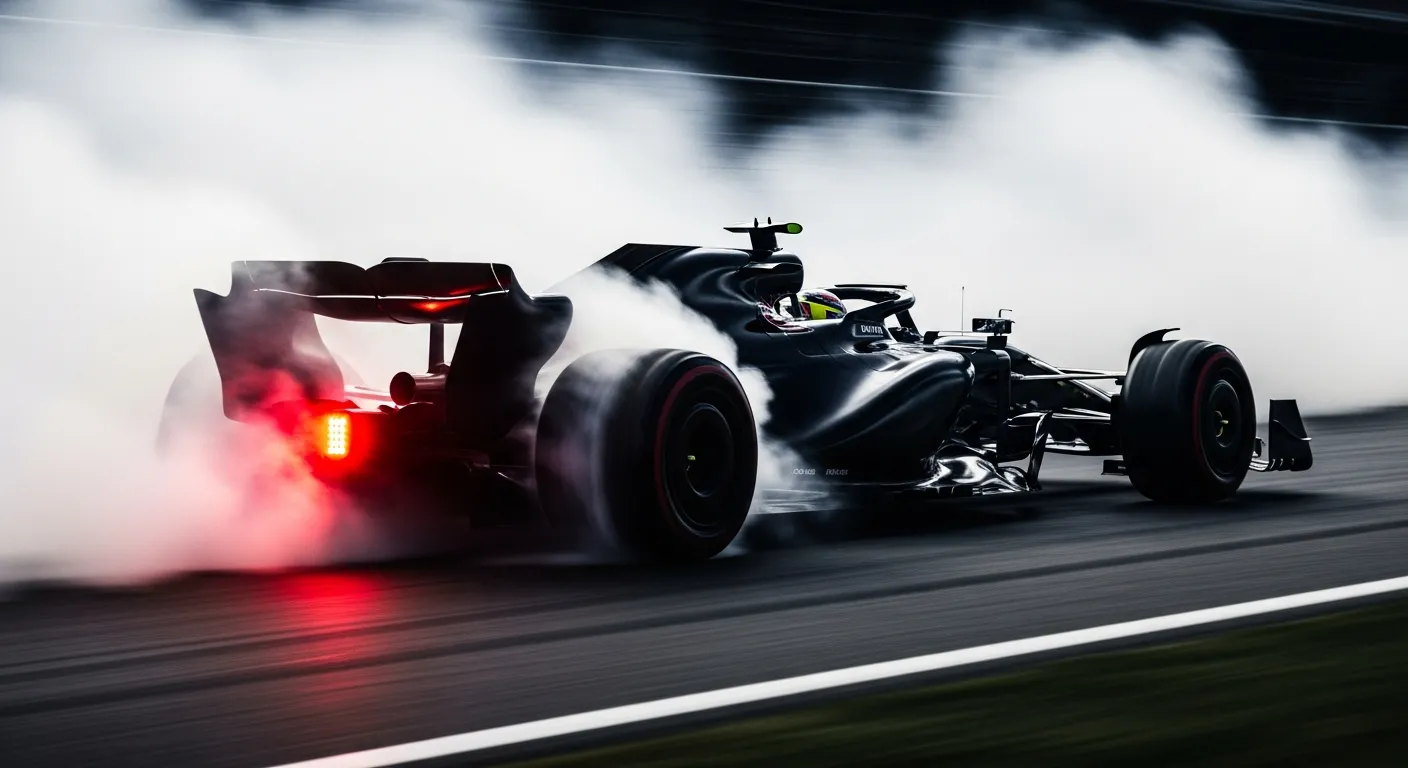
Race result · 2021
George Russell at the 2021 Saudi Arabian Grand Prix
George Russell's 2021 Saudi Arabian Grand Prix ended prematurely for Williams Grand Prix Engineering after a collision on lap 14, preventing him from scoring points at the inaugural Jeddah event.
- Collision
- 0 pts
- Williams Grand Prix Engineering