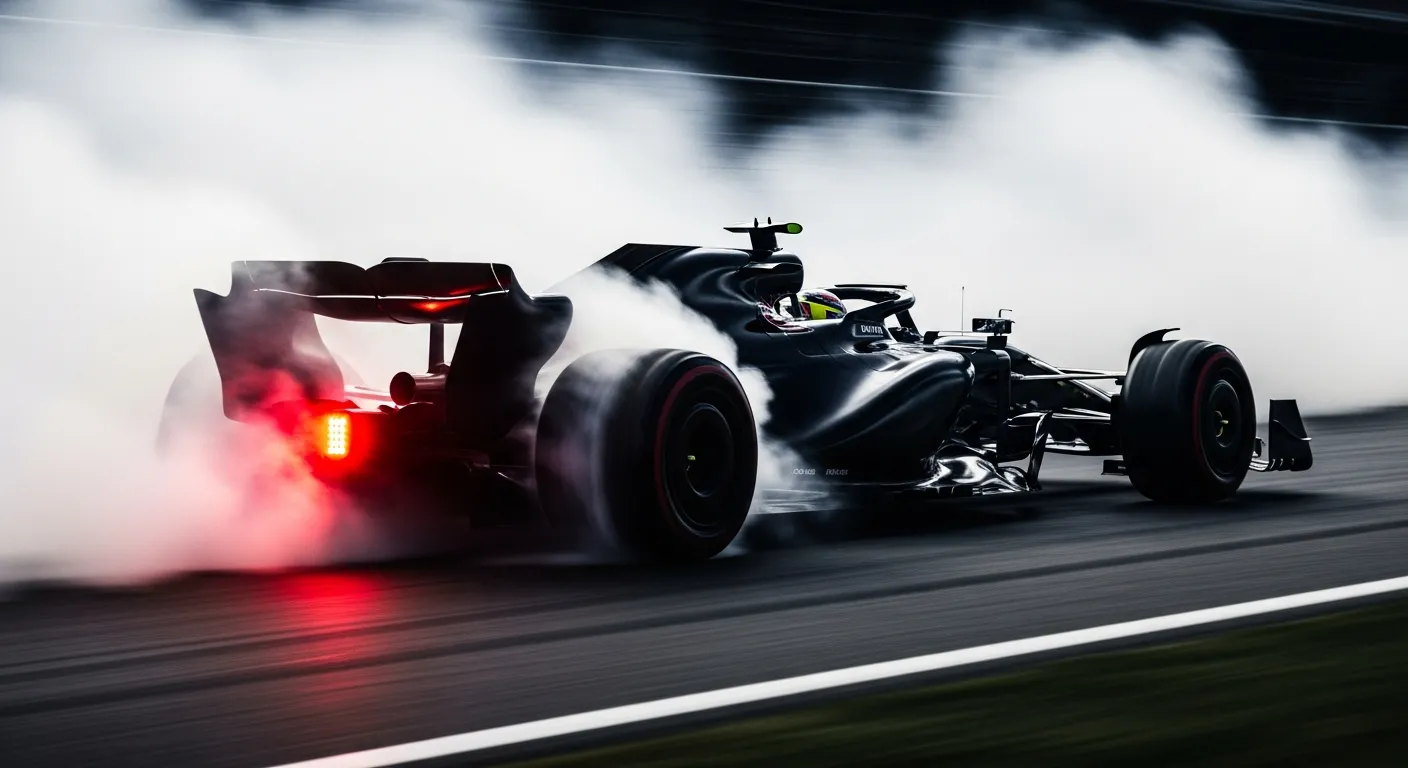
Max Verstappen secured a crucial second-place finish at the inaugural 2021 Saudi Arabian Grand Prix on December 5th, navigating a chaotic race marked by multiple safety car periods and red flags at the Jeddah Corniche Circuit. Starting from third on the grid, the Red Bull Racing driver completed all 50 laps, earning 18 points and maintaining his lead in the championship standings. The race was a high-stakes affair, the 21st round of the [FIA Formula One World Championship](https://www.fia.com/events/fia-formula-one-world-championship), with the championship battle intensifying.
The Dutch driver's performance was characterized by aggressive driving and strategic decisions. He recorded his fastest lap on lap 35 with a time of 1:31.488, ranking third overall for the race. The event saw his Red Bull teammate, Sergio Pérez, retire after just 14 laps due to a collision, a significant setback for the constructor's championship aspirations. This contrasted with the consistent run of drivers like [Esteban Ocon at the 2019 Australian Grand Prix](/results/2019-albert-park-esteban-ocon), who managed to secure a fourth-place finish in Jeddah. The complexity of F1 racing, as detailed on the official [Formula 1 site](https://www.formula1.com/en), often sees such unpredictable outcomes. The race was punctuated by incidents, including a red flag following a crash involving Mick Schumacher, and subsequent safety car deployments that reshuffled the field and strategies. Verstappen found himself in a direct, often contentious, battle with Lewis Hamilton throughout the race, a duel that defined the event. The intricate rules governing [Formula One](https://en.wikipedia.org/wiki/Formula_One) often lead to strategic decisions under such pressure, a theme that resonates across different eras, much like the strategic calls faced by [Pierre Gasly at the 2019 Australian Grand Prix](/results/2019-albert-park-pierre-gasly). Understanding the nuances of F1 race data, akin to reviewing historical performance metrics or even future season projections from sources like [Jolpica/Ergast](https://api.jolpi.ca/ergast/f1/2026.json), helps in dissecting such a performance. Despite the challenges, including a five-second time penalty, Verstappen crossed the line in second place, clocking a total race time of 2:06:36.943. This result was critical in a season where every point was fiercely contested, showcasing the relentless pursuit seen from drivers like [Carlos Sainz at the 2019 Australian Grand Prix](/results/2019-albert-park-carlos-sainz) in their own championship bids. The Jeddah circuit, a new addition, proved demanding, and Verstappen's ability to extract a podium finish from a tumultuous race underscored his championship credentials, a testament to the high-stakes environment of the [Formula 1 calendar](https://www.formula1.com/en). The history of [Formula One](https://en.wikipedia.org/wiki/Formula_One) is replete with intense championship battles, and 2021 was certainly one of them.