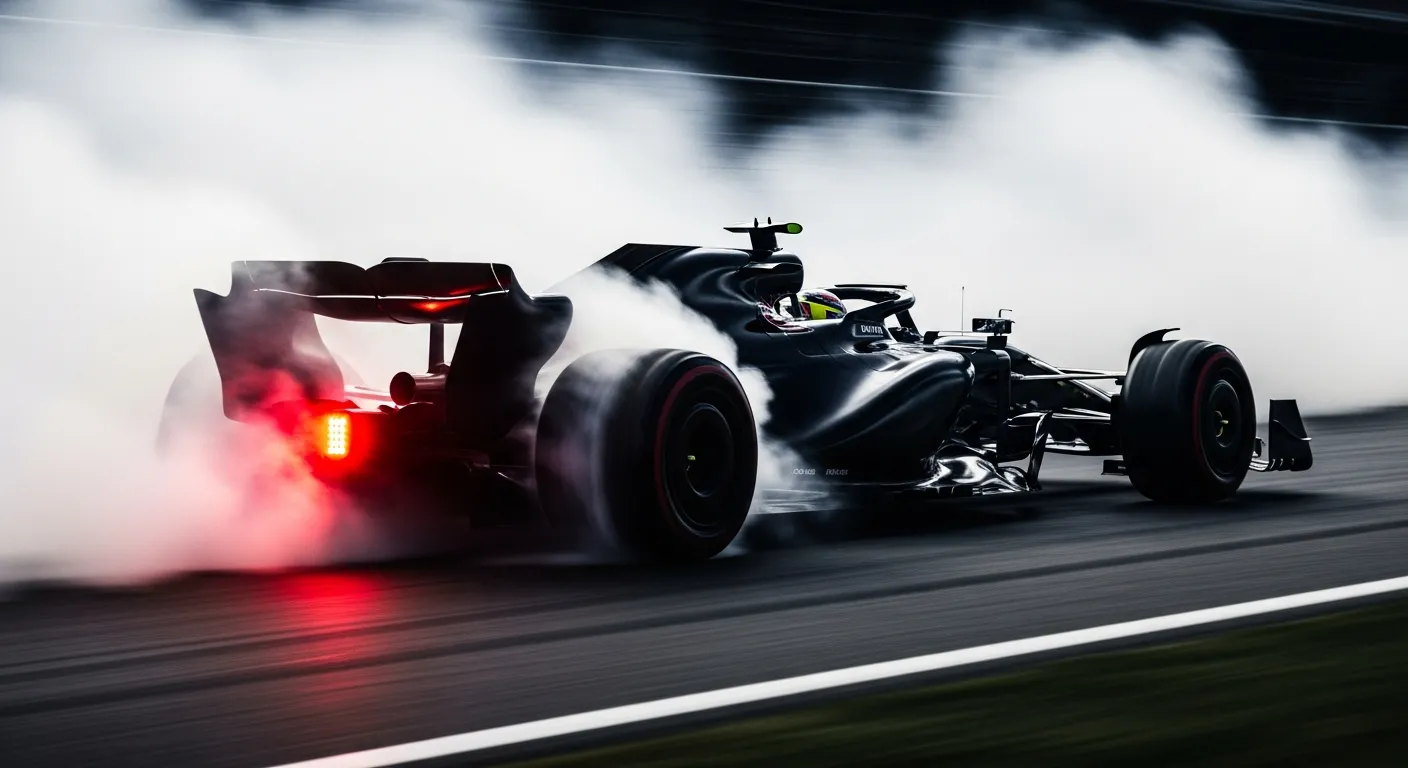
Carlos Sainz's performance at the inaugural 2021 Qatar Grand Prix on November 21st saw the Scuderia Ferrari driver navigate a challenging race from P5 on the grid to secure P7, adding 6 points to his championship tally. This result, achieved at the newly introduced Lusail International Circuit, underscored Sainz's consistent ability to convert strong qualifying positions into valuable points for the Italian outfit.
The 57-lap race was a test of endurance and tire management, a common theme in the latter stages of the [Formula 1 season](https://www.formula1.com/en). Sainz maintained a steady pace throughout, completing the race in 1:25:50.382. His fastest lap, a 1:26.570 recorded on lap 46, placed him 9th in the fastest lap standings, demonstrating a late-race push for pace as tire conditions allowed. The strategic demands of a new circuit, with its high-speed sections and abrasive surface, meant that Scuderia Ferrari's engineers had to balance outright speed with tire preservation. This was a race where managing the compounds was critical, a factor that caught out other drivers like Valtteri Bottas, who suffered a puncture, highlighting the fine margins in [F1 tire strategy](https://en.wikipedia.org/wiki/Formula_One_tyres). Such incidents often influence the overall [FIA World Championship](https://www.fia.com/events/fia-formula-one-world-championship) standings, particularly in a tight season. For a broader understanding of the sport's history and regulations, the [Wikipedia page for Formula One](https://en.wikipedia.org/wiki/Formula_One) provides extensive context.
Sainz's teammate, Charles Leclerc, starting from P13 due to grid penalties for others, executed a commendable recovery drive to finish P8, just 1.215 seconds behind Sainz. This double-points finish was crucial for Scuderia Ferrari in their fight for third in the Constructors' Championship, showcasing the team's operational efficiency. The close battle between the two Ferrari drivers, with Leclerc's fastest lap on lap 46 being a 1:26.555, just marginally quicker than Sainz's, indicated a well-matched internal competition. This consistent points scoring from both drivers has been a hallmark of Sainz's tenure at Ferrari, echoing his strong performances such as [Carlos Sainz at the 2019 Mexico City Grand Prix](/results/2019-mexico-city-carlos-sainz), where he also delivered a solid points finish. Understanding these historical trends is often aided by reviewing comprehensive [Formula 1 race results](https://www.formula1.com/en/results.html), which provides granular insights into driver and team performance across different circuits and conditions. The raw [F1 season data](https://api.jolpi.ca/ergast/f1/2026.json), accessible through platforms like Jolpica/Ergast, allows for detailed analysis of race pace and strategic effectiveness. While the Qatar Grand Prix didn't yield a podium for Sainz, his P7 finish from P5 on the grid, completing all 57 laps, was a robust result in a season where every point mattered. The ability to maintain position and extract maximum performance, even when faced with unexpected challenges, is a trait shared by top drivers, much like [Max Verstappen at the 2019 São Paulo Grand Prix](/results/2019-interlagos-max-verstappen) who demonstrated exceptional race craft. Similarly, the steady progress and points accumulation, even without a front-row start, can be compared to the efforts of drivers like [Pierre Gasly at the 2019 Mexico City Grand Prix](/results/2019-mexico-city-pierre-gasly), who also managed to secure a strong finish from a competitive grid slot.