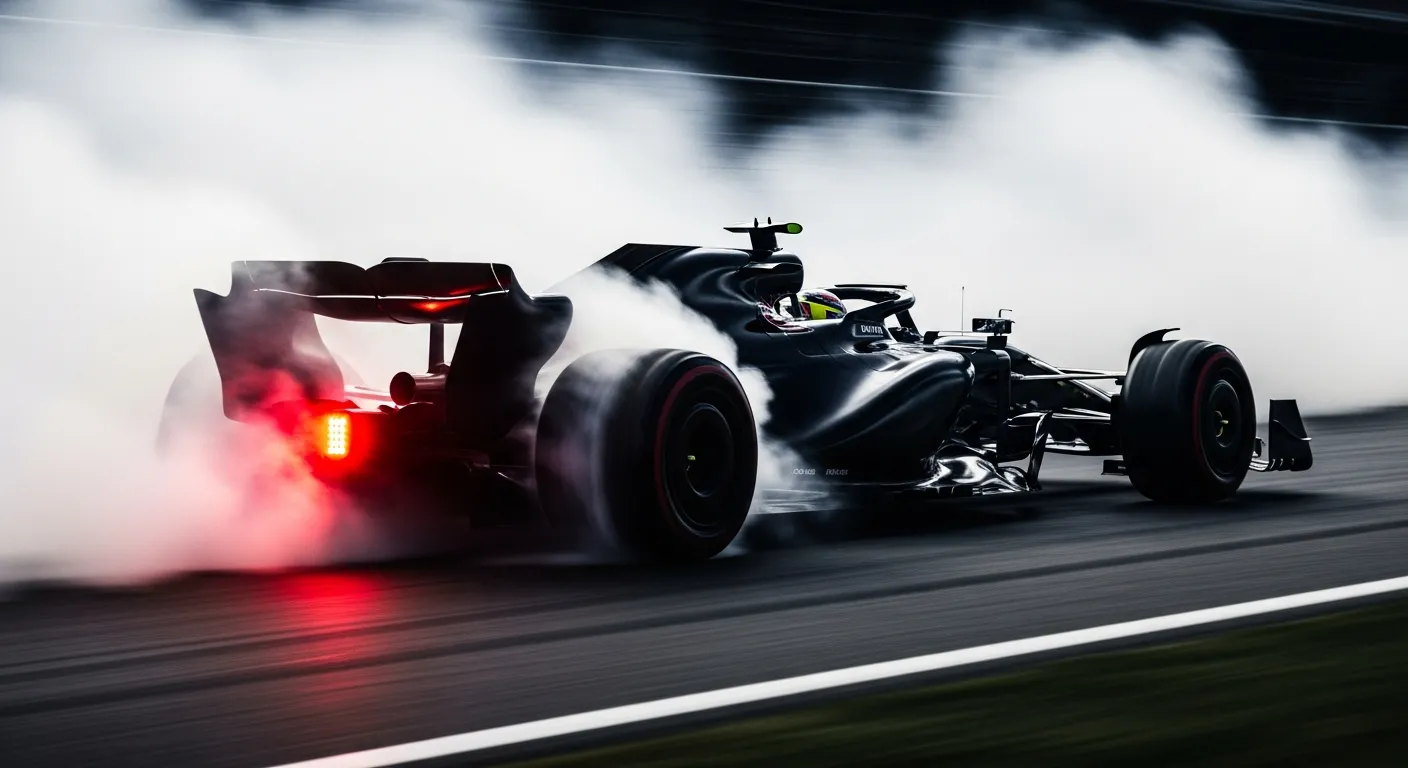
This race saw Fernando Alonso achieve his first Formula 1 podium since the 2014 Hungarian Grand Prix, a significant milestone for the Spanish driver and Alpine F1 Team at the inaugural [Qatar Grand Prix](https://www.formula1.com/en/racing/2021/Qatar.html). Starting from third on the grid at the [Lusail International Circuit](https://en.wikipedia.org/wiki/Lusail_International_Circuit) on November 21, 2021, Alonso demonstrated a calculated race strategy and consistent pace across all 57 laps. His performance was a testament to his enduring skill and the Alpine chassis's capabilities on a circuit new to the F1 calendar. The race unfolded with Alonso holding his starting position, a crucial element in securing a strong points haul. While Lewis Hamilton led the race from pole and Max Verstappen climbed from seventh to second, Alonso managed the gap to the front-runners and held off the challenging pace of Sergio Pérez, who started from eleventh and finished fourth. The Alpine team's strategy, particularly regarding tire management, proved effective, allowing Alonso to maintain a competitive rhythm throughout the Grand Prix. This result was a stark contrast to some of Alonso's earlier races in the season, such as the [2021 Monaco Grand Prix](/results/2021-monaco-fernando-alonso), where despite a strong qualifying, the narrow street circuit presented different challenges. The data from the [FIA Formula One World Championship](https://www.fia.com/events/fia-formula-one-world-championship) confirms Alonso completed the race in 1:25:27.928, securing 15 points.
Alonso's teammate, Esteban Ocon, also delivered a strong performance, finishing fifth after starting ninth. This dual points finish for Alpine F1 Team underscored a robust weekend for the French constructor. Ocon's drive, complementing Alonso's podium, highlighted the team's overall strategic execution and the car's reliability. The combined efforts of both drivers allowed Alpine to maximize their championship standing. This collective performance was a significant boost, especially when considering the competitive midfield battles that defined the [2021 Formula One season](https://en.wikipedia.org/wiki/2021_Formula_One_season). For context, other drivers like [Lando Norris at the 2021 Monaco Grand Prix](/results/2021-monaco-lando-norris) faced different strategic dilemmas that weekend. The detailed [race results data](https://api.jolpi.ca/ergast/f1/2026.json) further illustrates the tight margins in the midfield, where every position gained or lost had significant championship implications. Alonso's fastest lap, a 1:26.682 on lap 48, ranked tenth overall, indicating a measured approach rather than an outright speed chase, focusing instead on consistent lap times to secure his position. This was a strategic drive, reminiscent of his veteran experience, ensuring the car reached the checkered flag in a prime position. The sustained performance over 57 laps at a new circuit, where tire degradation was a known factor, speaks to both driver skill and team preparation. It was a weekend where the Alpine team executed their plan with precision, securing a memorable result. The broader context of Formula 1 racing, including historical [Formula 1 Grand Prix results](https://www.formula1.com/en/results.html), shows the rarity and significance of such a comeback podium for a driver of Alonso's stature. This result for Alonso was a highlight in a season where many drivers, including [George Russell at the 2021 Monaco Grand Prix](/results/2021-monaco-george-russell), were pushing for every available point.