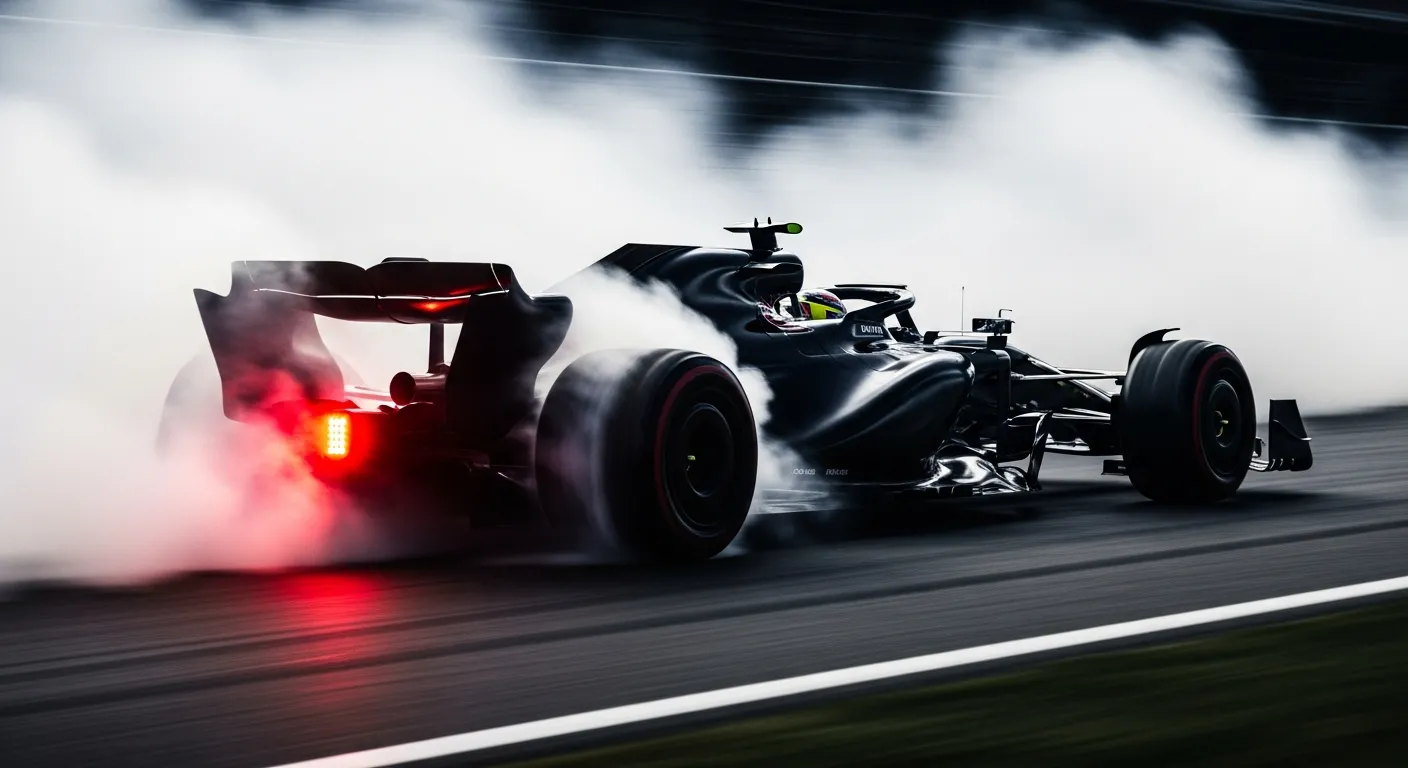
Lance Stroll's drive at the 2021 Qatar Grand Prix on November 21, 2021, showcased a calculated progression through the field, culminating in a significant points haul for Aston Martin at the Lusail International Circuit. Starting from grid position 12, Stroll executed a clean race, navigating the challenges of the new circuit to climb six positions. His consistent pace saw him complete all 57 laps, ultimately crossing the finish line in position 6 with a total race time of 1:25:49.745. This result marked a notable achievement for the Canadian driver and his British team, especially considering the competitive mid-field battles that defined much of the 2021 season, as detailed on the [Formula 1 — official site](https://www.formula1.com/en).
The race itself was characterized by tire degradation issues for several competitors, with drivers like Valtteri Bottas and Nicholas Latifi experiencing punctures, highlighting the demanding nature of the Lusail track. Stroll's Aston Martin AMR21 proved robust, allowing him to maintain a steady rhythm, evidenced by his fastest lap of 1:27.356 on lap 44. This strategic drive allowed him to finish ahead of both Ferrari drivers, Carlos Sainz Jr. and Charles Leclerc, who placed seventh and eighth respectively. His teammate, Sebastian Vettel, also secured points, finishing in position 10. This dual points finish underscored a solid weekend for Aston Martin, contributing to their constructor's championship efforts. The broader context of Formula 1 racing, including technical regulations and championship standings, can be explored further through the [FIA — F1 World Championship](https://www.fia.com/events/fia-formula-one-world-championship) overview. Stroll's ability to maximize opportunities from a mid-grid start echoes strong performances seen from other drivers, such as [Fernando Alonso at the 2014 Austrian Grand Prix](/results/2014-red-bull-ring-fernando-alonso), who also demonstrated impressive race craft. For a comprehensive understanding of historical F1 data, resources like [Jolpica/Ergast — 2026 season data](https://api.jolpi.ca/ergast/f1/2026.json) provide invaluable insights into past seasons and individual race statistics. The strategic elements of tire management and race pace are critical components of any successful Grand Prix, a concept well-documented in the general [Wikipedia: Formula One](https://en.wikipedia.org/wiki/Formula_One) entry. Stroll's performance here was a testament to effective execution on a demanding circuit, a quality that can be compared to the focused drives of individuals like [Nico Hülkenberg at the 2014 Austrian Grand Prix](/results/2014-red-bull-ring-nico-hulkenberg), who consistently extracted performance from his machinery. His consistent lap times, especially in the latter stages, ensured he held his position against strong contenders. This result was a significant boost, contributing to his overall standing in the driver's championship, as documented on the [Formula 1 official results page](https://www.formula1.com/en/results.html). The nuances of race strategy and driver performance are always a key talking point in the F1 paddock, with comprehensive analysis available on the [official Formula 1 website](https://www.formula1.com/en).