Max Verstappen's performance at the 2021 Qatar Grand Prix was defined by a robust recovery drive after a grid penalty relegated him to seventh on the grid. Starting from P7, his Red Bull Racing machine demonstrated immediate pace, allowing him to swiftly navigate through the field. This aggressive opening phase was crucial in mitigating the impact of the grid drop, a scenario that frequently reshapes race dynamics in [Formula 1 — official site](https://www.formula1.com/en) where track position is paramount. The Lusail International Circuit, hosting its inaugural F1 race, presented a unique challenge with its high-speed corners and limited overtaking zones, making Verstappen's early progress from seventh to second particularly notable. His ability to carve through the midfield, passing several competitors including [Fernando Alonso](/results/2021-qatar-fernando-alonso) who ultimately secured a podium finish in this very race, underscored his championship-contending form and the car's inherent speed. As the race progressed, Verstappen maintained a consistent pace, managing his tires effectively across the 57 laps. His strategic execution, supported by the Red Bull pit wall, ensured he remained a contender for significant points despite the initial setback. The final laps saw Verstappen push for the fastest lap, ultimately achieving it on lap 57 with a time of "1:23.196", securing an additional point and further extending his championship lead. This late-race charge exemplifies the competitive spirit often seen in the [FIA — F1 World Championship](https://www.fia.com/events/fia-formula-one-world-championship). His teammate, [Sergio Pérez](/results/2021-qatar-sergio-perez), also delivered a strong performance, finishing in fourth after starting from grid 11, contributing valuable points to Red Bull Racing's constructors' effort. The comprehensive data from the 2021 season, available through platforms like [Jolpica/Ergast — 2026 season data](https://api.jolpi.ca/ergast/f1/2026.json), consistently illustrates the high stakes of each round. Drivers like [George Russell at the 2023 Las Vegas Grand Prix](/results/2023-las-vegas-george-russell) often face similar pressures to maximize every opportunity, highlighting the universal challenges of race strategy. Understanding the intricate rules and history of the sport is often aided by resources such as [Wikipedia: Formula One](https://en.wikipedia.org/wiki/Formula_One), which details how such decisions impact outcomes and championship standings. For detailed race results and statistics, the [official Formula 1 website](https://www.formula1.com/en/results.html) provides comprehensive archives. The [Lusail International Circuit's profile](https://www.formula1.com/en/racing/2021/Qatar/Circuit.html) offers further insight into the track's characteristics.
Race result · 2021
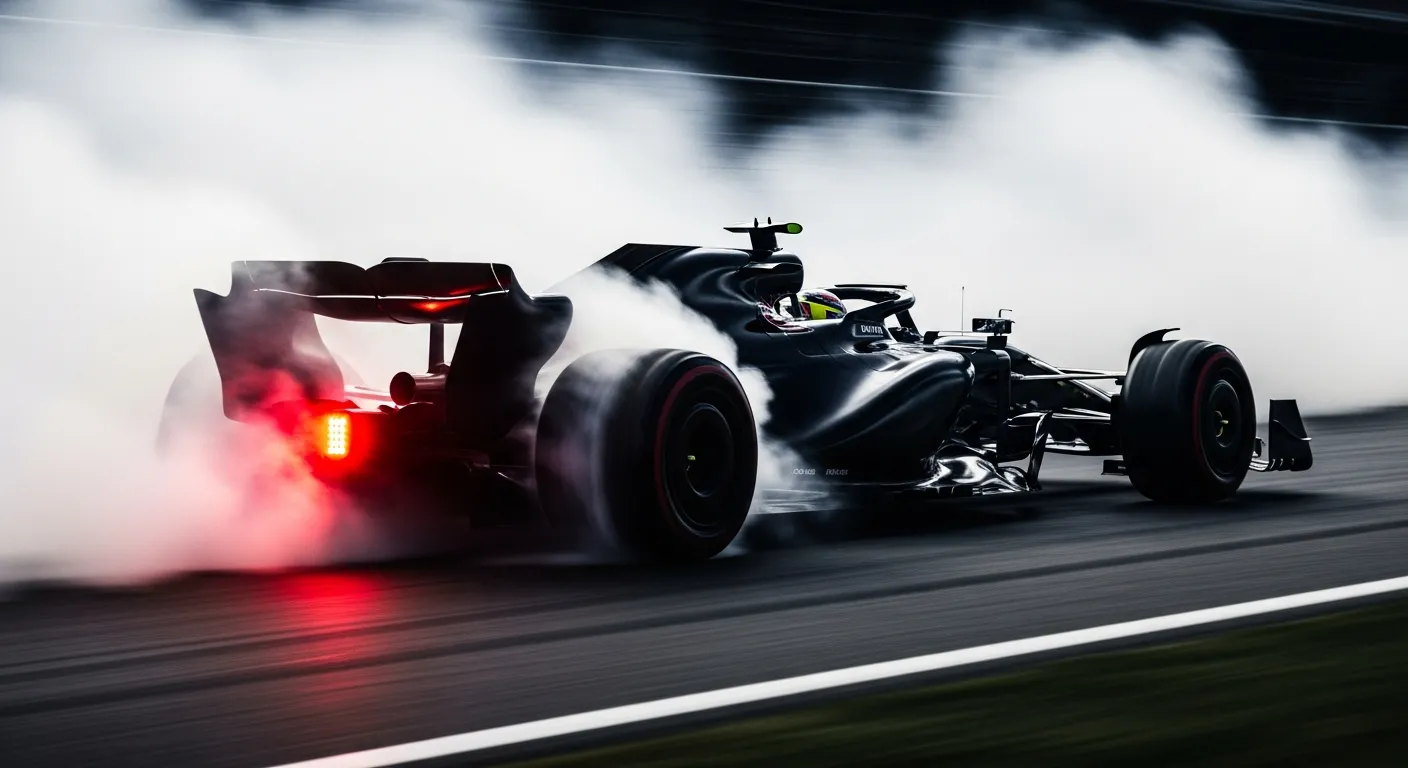
Max Verstappen at the 2021 Qatar Grand Prix
Max Verstappen, driving for Red Bull Racing, secured second place at the 2021 Qatar Grand Prix, recovering from a grid penalty to also clinch the fastest lap.
- 2nd
- 19 pts
- Red Bull Racing