George Russell's outing at the 2021 Mexican Grand Prix saw him navigate the high-altitude Autódromo Hermanos Rodríguez to finish 16th, precisely where he started on the grid. This consistent positioning for Williams Grand Prix Engineering on November 7, 2021, underscored the inherent performance ceiling of the FW43B at a circuit known for its unique aerodynamic and power unit demands. The thin air at Mexico City's elevation significantly impacts downforce generation and engine cooling, presenting a distinct challenge for all teams, particularly those with less developed packages. Russell completed 69 laps of the 71-lap race, concluding his run two laps down on the leader, a status indicating the gap to the front of the field. His fastest lap, a 1:22.016, recorded on lap 61, placed him 18th among all drivers, a metric that reflects the car's relative pace in race trim. The strategic objective for Williams was often one of attrition management and optimizing track position against direct competitors, a common theme for the team during this period. This approach was crucial in the 2021 season, as the team worked to consolidate its standing in the Constructors' Championship, a battle closely watched within the broader [Formula 1 ecosystem](https://www.formula1.com/en). The context of Russell's 16th place finish in Mexico City is best understood against the backdrop of the 2021 season, his final year with Williams before moving to Mercedes. While the front of the field saw intense battles, the challenges for teams like Williams were distinct, focusing on extracting maximum performance from limited resources. This often meant races where the primary goal was to finish and gather data, rather than score points. His teammate, Nicholas Latifi, finished just behind in 17th, also two laps down, with a fastest lap of 1:21.546 on lap 66, highlighting the internal benchmark within the team and the competitive environment even at the rear of the grid. Such detailed race metrics are crucial for engineering analysis, often sourced from comprehensive archives like [Jolpica/Ergast F1 data](https://api.jolpi.ca/ergast/f1/2026.json), which tracks historical [F1 World Championship results](https://www.fia.com/events/fia-formula-one-world-championship). Russell's consistent effort, even in a car that struggled for outright pace, was a defining characteristic of his time at Williams, earning him the moniker "Mr. Saturday" for his qualifying prowess. This dedication to maximizing performance, regardless of the machinery, is a trait seen across the grid, from drivers like [Lance Stroll at the 2022 Australian Grand Prix](/results/2022-albert-park-lance-stroll) to those further up the order, such as [Pierre Gasly at the 2022 Australian Grand Prix](/results/2022-albert-park-pierre-gasly), who often extract significant performance from their packages. The experience gained in these challenging races contributed significantly to his development, preparing him for future opportunities, much like [Alexander Albon at the 2022 Australian Grand Prix](/results/2022-albert-park-alex-albon) would later find himself in a similar role at Williams. Understanding the intricacies of a Grand Prix, from qualifying to the final lap, is fundamental to [Wikipedia's Formula One overview](https://en.wikipedia.org/wiki/Formula_One) and the official [Formula 1 technical regulations](https://www.formula1.com/en/racing/championship/Formula_1_Technical_Regulations.html). The team's performance data from events like Mexico City fed directly into their ongoing development, a continuous cycle in the pursuit of competitive advantage within the [official Formula 1 site](https://www.formula1.com/en).
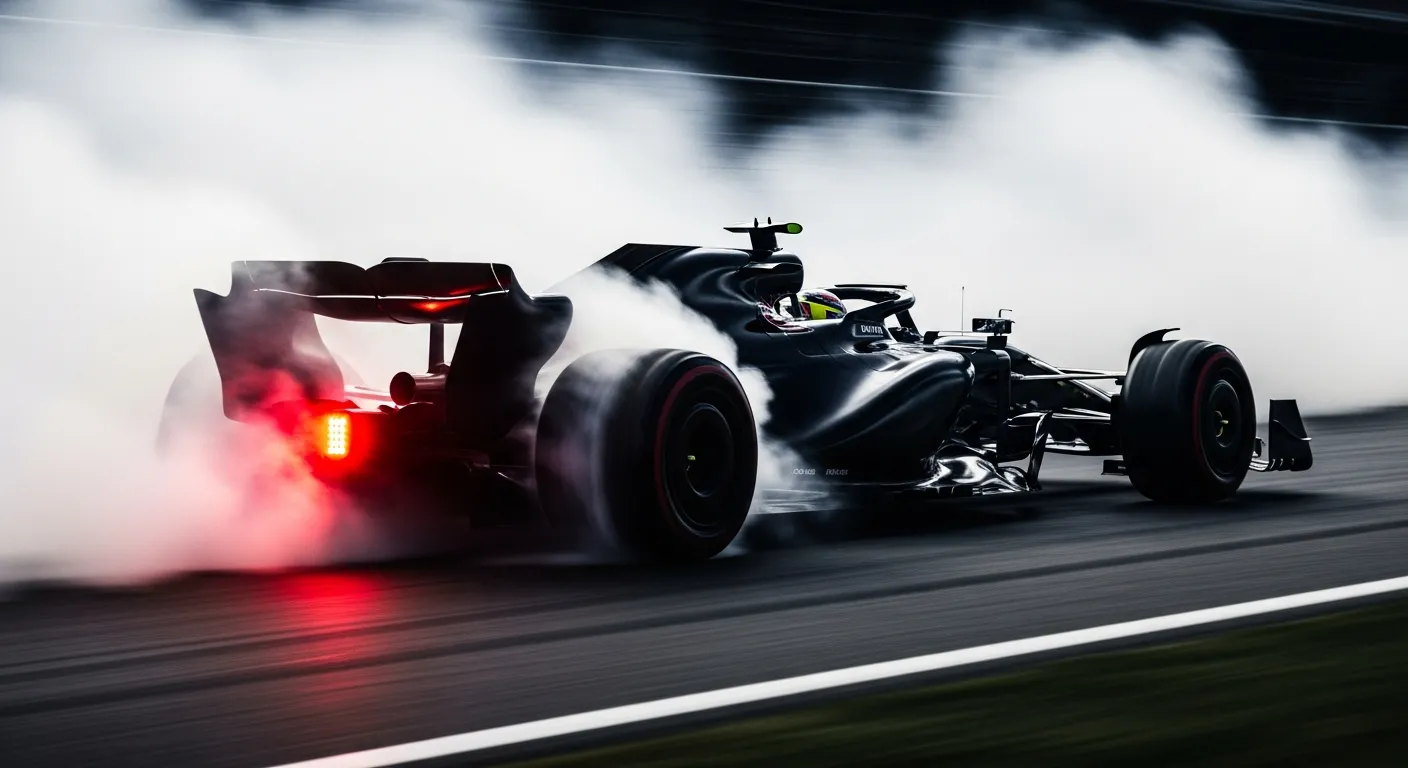
Race result · 2021
George Russell at the 2021 Mexico City Grand Prix
George Russell concluded the 2021 Mexican Grand Prix in 16th position for Williams, having started from 16th on the grid and finishing two laps down on the race winner.
- 16th
- 0 pts
- Williams Grand Prix Engineering