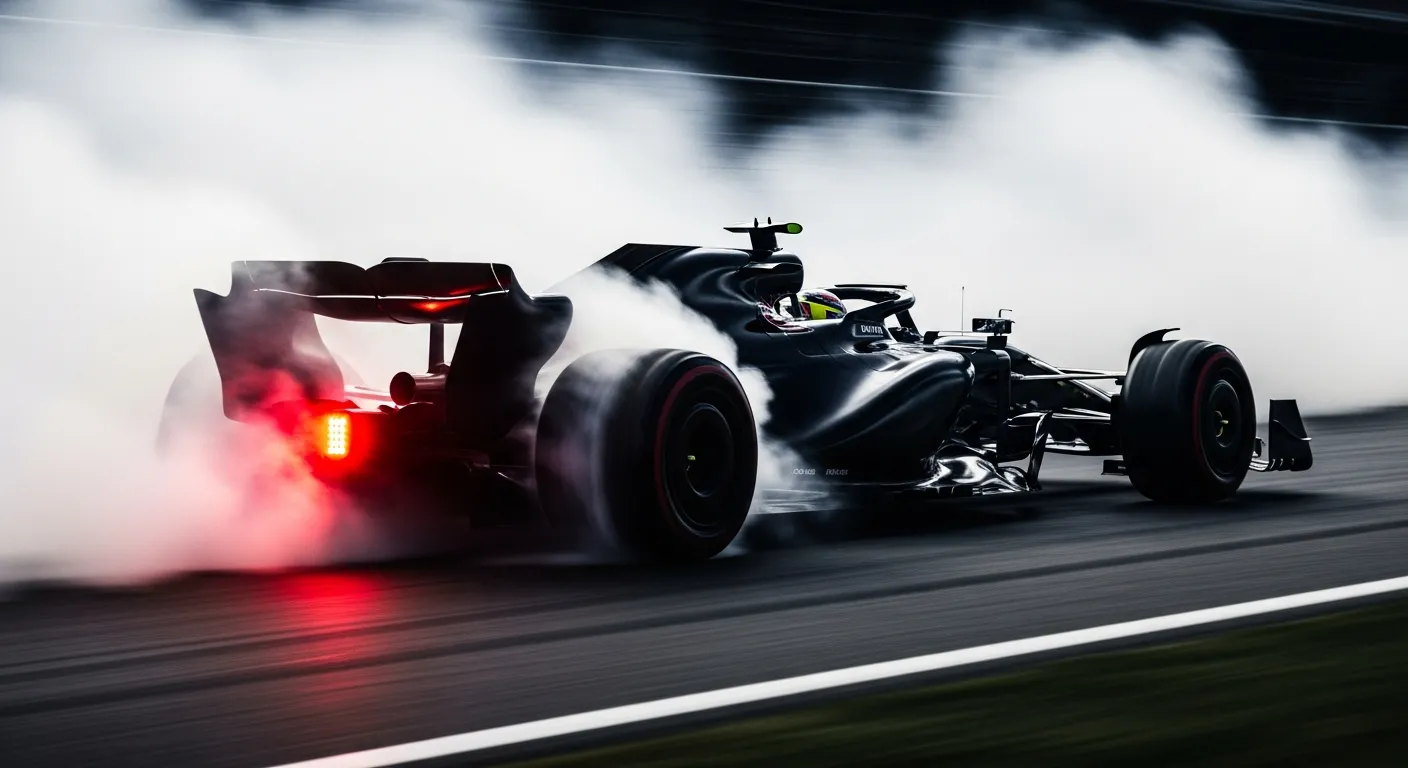
Yuki Tsunoda's 2021 Mexican Grand Prix campaign at the Autódromo Hermanos Rodríguez was abruptly curtailed on the very first lap, concluding his race with a "Collision" status and zero laps completed. Starting from grid position 17, the Scuderia AlphaTauri driver's race was over before it truly began, a stark contrast to his teammate Pierre Gasly, who started from grid 5 and went on to secure a strong 4th place finish, adding 12 points to the team's tally. The incident involved Daniel Ricciardo and Esteban Ocon, with Tsunoda caught in the aftermath of the Turn 2 contact, an unfortunate turn of events that denied him any opportunity to showcase pace on a circuit known for its challenging high-altitude conditions. This early exit meant Tsunoda was one of two drivers, alongside Mick Schumacher, to register a DNF due to a collision at this event, highlighting the inherent risks of the opening lap in Formula 1. Such incidents can dramatically shift a team's strategic outlook, as seen with [Fernando Alonso's retirement at the 2015 Monaco Grand Prix](/results/2015-monaco-fernando-alonso), where early race events dictated the remainder of his weekend.
The immediate retirement meant Tsunoda added no points to his championship standing, remaining at 20 points. For a deeper dive into historical F1 results and driver statistics, the comprehensive [Formula 1 — official site](https://www.formula1.com/en) offers extensive archives. The race itself saw Max Verstappen take a dominant victory, underscoring the competitive landscape of the 2021 season, a championship battle that remained intense throughout. While Tsunoda's race was short-lived, the broader context of F1 often presents these high-stakes moments, where a single misjudgment or unfortunate sequence can alter a driver's weekend entirely. The complex data behind these race outcomes, including detailed lap-by-lap analyses, can be explored through various data platforms, such as the [Jolpica/Ergast — 2026 season data](https://api.jolpi.ca/ergast/f1/2026.json) which provides raw statistical insights into Grand Prix events. Understanding the nuances of [Formula One](https://en.wikipedia.org/wiki/Formula_One) racing requires appreciating both the triumphs and the setbacks that define a season. Even top drivers like [Max Verstappen at the 2015 Monaco Grand Prix](/results/2015-monaco-max-verstappen) have experienced early race incidents that shaped their performance. Similarly, the midfield battles, often involving drivers like [Carlos Sainz at the 2015 Monaco Grand Prix](/results/2015-monaco-carlos-sainz), demonstrate the constant pressure and tight margins in F1.