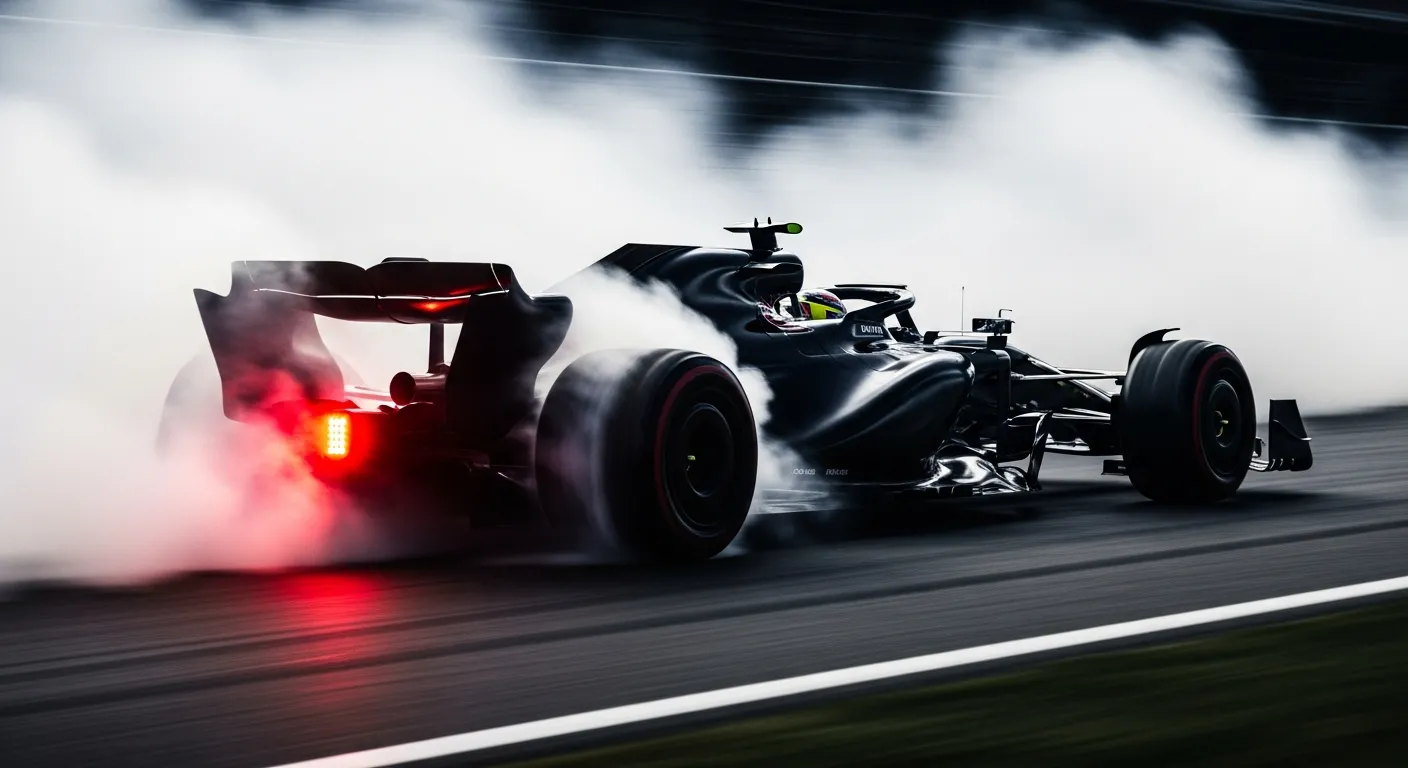
Charles Leclerc's 2021 Monaco Grand Prix was a poignant non-start, with a critical driveshaft hub failure preventing the Scuderia Ferrari driver from taking to the grid for his home race on May 23, 2021. The Monégasque driver, who had shown promising pace throughout the weekend, was unable to complete a single lap, registering '0' laps and '0' points for the event. This mechanical issue, specifically identified as a 'driveshaft hub' problem, meant that despite Ferrari's overall competitive showing, Leclerc's race ended before it truly began, a stark reminder of the unforgiving nature of the [Circuit de Monaco](https://en.wikipedia.org/wiki/Circuit_de_Monaco) and the intricate technical demands of [Formula 1](https://www.formula1.com/en).
The retirement marked a significant setback, especially considering the performance of his teammate, Carlos Sainz Jr., who secured a strong second-place finish for Scuderia Ferrari, earning 18 points. This contrast underscored the frustration for Leclerc, who watched from the sidelines as his team collected valuable constructor points. Mechanical reliability is a constant battle in F1, as seen in other races where critical components have led to early exits, such as [Fernando Alonso at the 2017 British Grand Prix](/results/2017-silverstone-fernando-alonso) facing power unit issues, or even [Lewis Hamilton at the 2017 British Grand Prix](/results/2017-silverstone-lewis-hamilton) managing tyre degradation. The intricacies of a Formula 1 car's design, from aerodynamics to the powertrain, are meticulously governed by the [FIA's technical regulations](https://www.fia.com/events/fia-formula-one-world-championship), yet unforeseen failures like a driveshaft hub can still occur. Data analysis from events like the 2021 Monaco Grand Prix, available through platforms like [Jolpica/Ergast's F1 data](https://api.jolpi.ca/ergast/f1/2026.json), often highlights these mechanical vulnerabilities. For a driver competing on their home turf, the inability to even start is a particularly bitter pill, impacting not just the individual's championship standing but also the team's strategic outlook for the remainder of the [season](https://www.formula1.com/en/latest/season-2021.html).
This DNF, categorized as a 'Driveshaft hub' failure, meant Leclerc was classified with a 'grid' position of '0', indicating he did not participate in the race proper. The incident also had a direct impact on his championship standing, as he remained on '40' points, dropping from 5th to 6th position in the driver standings immediately following the event. Such mechanical DNFs are a harsh reality, often requiring extensive post-race analysis by teams like Scuderia Ferrari to prevent recurrence. Understanding the precise failure mode, whether it's a component fatigue or assembly error, is paramount. This level of detail is critical for continuous development, a process that defines success in the sport. Even a minor issue can derail an entire race weekend, as was the case for [Carlos Sainz at the 2017 British Grand Prix](/results/2017-silverstone-carlos-sainz) who retired due to a collision, demonstrating how quickly fortunes can change. The comprehensive data collected by teams and the official [Formula 1 organization](https://www.formula1.com/en) is vital for diagnosing such issues and informing future design iterations.