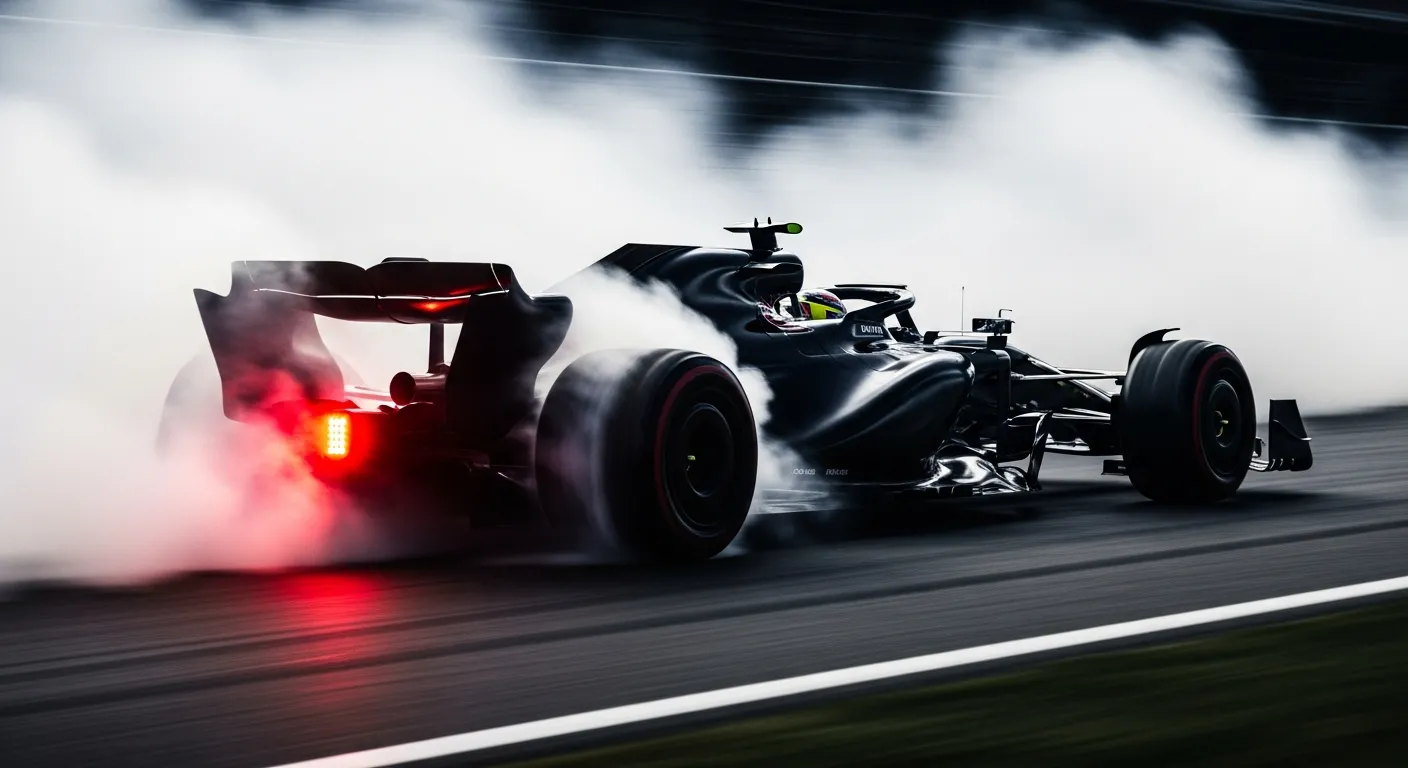
The 2021 Monaco Grand Prix proved to be a pivotal and frustrating race for Lewis Hamilton and Mercedes, marking a rare weekend where the seven-time world champion struggled to extract performance from the W12 on the demanding street circuit. Starting from a grid position of 7, Hamilton finished the 78-lap race in the same position, securing 7 points for his efforts. This result, while not a retirement, represented a significant departure from his usual front-running form, particularly in a season defined by an intense championship battle.
The weekend's difficulties were evident from qualifying, where Hamilton found himself unable to match the pace of rivals. Race day offered little respite on a circuit notoriously difficult for overtaking. While his Mercedes AMG F1 team mate, Valtteri Bottas, retired on lap 29 due to a wheel nut issue during a pit stop, Hamilton pressed on, navigating the tight confines of Monte Carlo. Despite the challenging circumstances, Hamilton demonstrated his characteristic race craft by pushing to secure the fastest lap of the race on lap 69, clocking a 1:12.909. This performance earned him an additional championship point, a small consolation in a weekend where the team struggled with tyre warm-up and overall car balance. The strategic decisions made throughout the race, particularly regarding pit stops, were under scrutiny, as the team sought to find an advantage that never fully materialized. For a deeper dive into the technical aspects of Formula 1 racing, the [FIA — F1 World Championship](https://www.fia.com/events/fia-formula-one-world-championship) provides comprehensive resources on regulations and events.
The race outcome saw Max Verstappen claim victory, shifting the championship dynamics significantly. Hamilton, who had entered the round leading the drivers' standings with 94 points, ceded that advantage, moving to second place with 101 points after Monaco. This result highlighted the competitive intensity of the 2021 season, where every point was crucial. Other notable performances in the field included Carlos Sainz Jr. securing second for Ferrari and Lando Norris taking third for McLaren, demonstrating the varied pace across the grid. Drivers like [Pierre Gasly](/results/2021-spa-francorchamps-pierre-gasly) also put in strong performances, finishing P6, while [Lance Stroll](/results/2021-spa-francorchamps-lance-stroll) managed to climb to P8. The intricacies of race strategy and car development are often discussed on the [Formula 1 — official site](https://www.formula1.com/en), offering further context on how teams approach such challenging venues. Understanding the broader history and evolution of the sport can be found on [Wikipedia: Formula One](https://en.wikipedia.org/wiki/Formula_One). The data from this event, along with other seasons, is often compiled by [Jolpica/Ergast — 2026 season data](https://api.jolpi.ca/ergast/f1/2026.json) for analytical purposes. Even a driver like [Lando Norris](/results/2021-spa-francorchamps-lando-norris), who had a strong showing in Monaco, faced different challenges later in the season. The 2021 Monaco Grand Prix served as a stark reminder that even the most dominant teams and drivers can encounter weekends where the stars do not align, underscoring the unpredictable nature of the sport. The pursuit of marginal gains in performance is a constant for all teams, as evidenced by the detailed technical specifications available through official [Formula 1 regulations](https://www.formula1.com/en/latest/article.formula-1-technical-regulations-2021.3vG70r72tqT7j1Q3M3i5Vj.html). Even the smallest details, like a problematic wheel nut, can dramatically alter a race outcome, as seen with Bottas. For more detailed race statistics and historical data, various [F1 data archives](https://www.fia.com/formula-1/results/archive) provide a wealth of information.