Yuki Tsunoda's drive at the 2021 Styrian Grand Prix on June 27 at the Red Bull Ring in Spielberg, Austria, saw the Scuderia AlphaTauri driver convert an 11th-place grid start into a crucial 10th-place finish, securing a solitary championship point. This performance, completing 70 laps and classified as "+1 Lap" behind the race winner Max Verstappen, marked a measured effort in a race where his teammate, [Pierre Gasly at the 2019 Australian Grand Prix](/results/2019-albert-park-pierre-gasly), unfortunately retired on the opening lap due to a collision. Tsunoda demonstrated consistent pace throughout the race, logging his fastest lap on lap 41 with a time of 1:09.650, which ranked 11th overall for fastest laps in the race, placing him just outside the top ten for outright pace but within a competitive midfield bracket. The Styrian Grand Prix, a unique back-to-back event at the same venue, provided an early test of consistency for many drivers in the [Formula 1 — official site](https://www.formula1.com/en) calendar, particularly for rookies adapting to the demands of consecutive race weekends. Understanding the intricate race dynamics and optimizing car performance is paramount, as detailed in various [FIA — F1 World Championship](https://www.fia.com/events/fia-formula-one-world-championship) technical regulations and reports, which govern all aspects of [Grand Prix racing](https://www.formula1.com/en). The Japanese rookie's ability to maintain position and extract a point from a midfield starting spot highlights the competitive nature of the 2021 season, where every championship point was hard-fought among a tightly packed field. While the top positions were largely dominated by Red Bull Racing and Mercedes AMG F1, Tsunoda's P10 result was a testament to managing the race distance, preserving tire life, and crucially, avoiding incidents, a challenge that even experienced drivers face, as seen with [Lance Stroll at the 2019 Australian Grand Prix](/results/2019-albert-park-lance-stroll) in earlier seasons where strategic decisions played a significant role. His finish placed him ahead of seasoned campaigners like Kimi Räikkönen and Sebastian Vettel, both of whom were also classified "+1 Lap," indicating a strong relative performance within the midfield. The granular data from this specific event, meticulously recorded and available through platforms like [Jolpica/Ergast — 2026 season data](https://api.jolpi.ca/ergast/f1/2026.json), allows for detailed analysis of each driver's race progression and strategic choices. Further historical [Formula 1 race statistics](https://api.jolpi.ca/ergast/f1/2026.json) can provide broader context for rookie performances. Navigating the Red Bull Ring, a circuit known for its elevation changes, tight corners, and high-speed sections, requires precision and a deep understanding of car setup, a skill that drivers hone throughout their careers in [Wikipedia: Formula One](https://en.wikipedia.org/wiki/Formula_One). This single point was a valuable contribution to Scuderia AlphaTauri's constructor points tally and offered essential experience for Tsunoda in his debut year, mirroring the steep learning curve faced by other promising talents such as [George Russell at the 2019 Australian Grand Prix](/results/2019-albert-park-george-russell) during their initial F1 campaigns. Securing points consistently is a key indicator of a driver's development, especially for those new to the premier class.
Race result · 2021
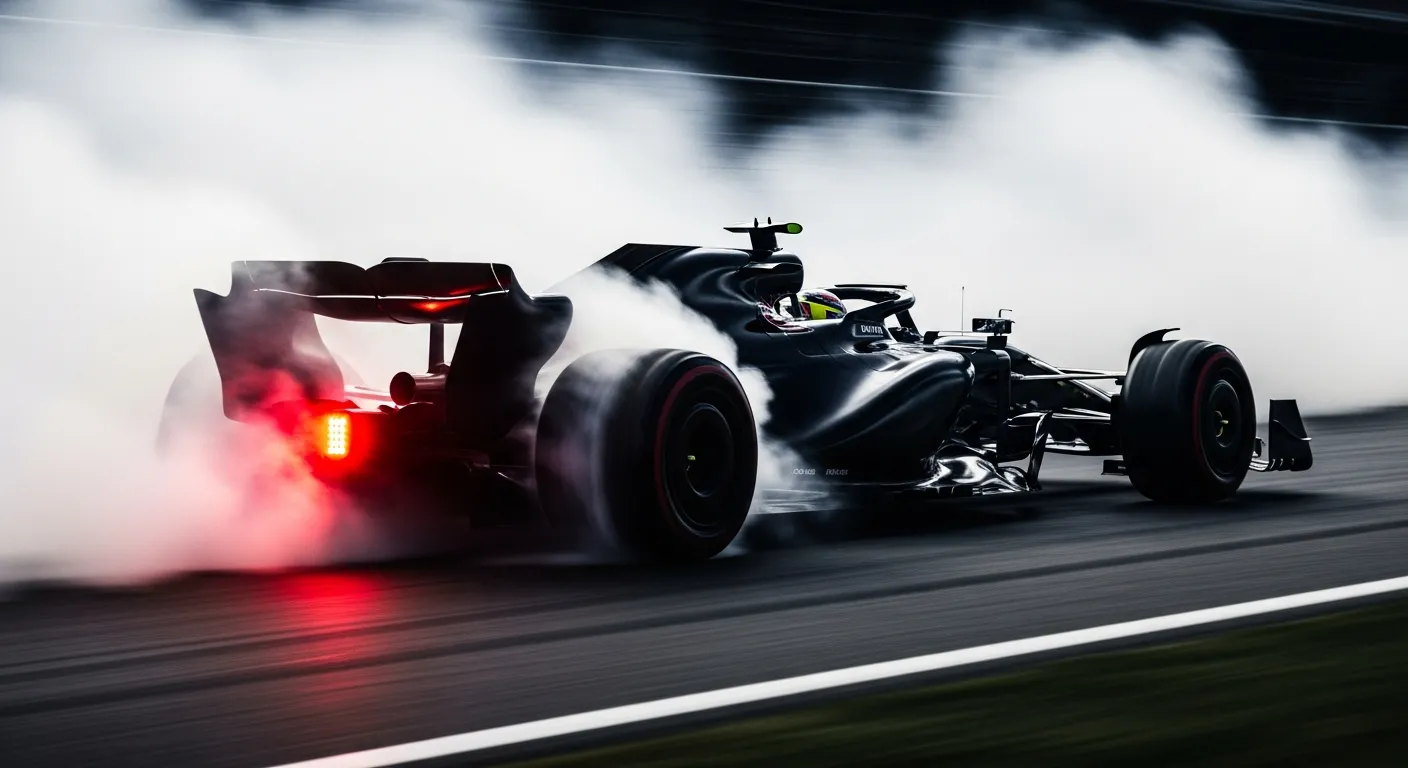
Yuki Tsunoda at the 2021 Austrian Grand Prix
Yuki Tsunoda secured a single championship point at the 2021 Styrian Grand Prix, navigating the Red Bull Ring to finish P10 after starting P11, despite his Scuderia AlphaTauri teammate's early retirement.
- 10th
- 1 pts
- Scuderia AlphaTauri