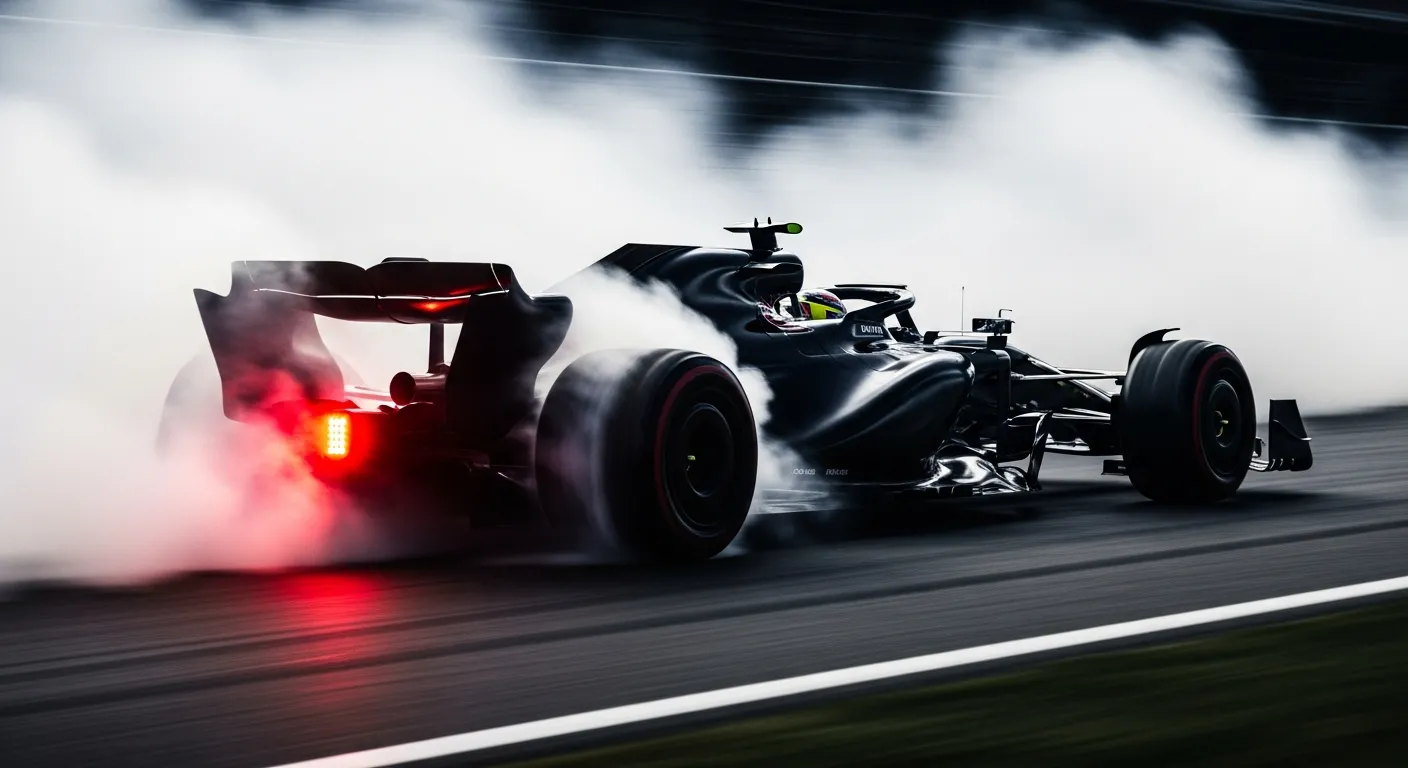
George Russell's performance at the 2021 Belgian Grand Prix on August 29 stands as a pivotal moment in his early Formula 1 career, securing a second-place finish for Williams Grand Prix Engineering under extraordinary circumstances. The weekend at the iconic Circuit de Spa-Francorchamps was dominated by persistent heavy rain, which profoundly impacted both qualifying and the eventual "race" itself. Russell, driving the Williams FW43B, delivered a sensational qualifying lap in Q3, placing his car on the front row of the grid in P2, ahead of established talents like Lewis Hamilton, who started P3 for Mercedes. This was an exceptional achievement for the British driver and the Williams team, demonstrating Russell's raw talent and ability to extract maximum performance in challenging, low-grip conditions. The sheer pace shown by Russell in the wet, pushing a Williams to the front row, was a stark reminder of his potential, a narrative that continued to build throughout the season, much like the focus on emerging talents in races such as [Liam Lawson at the 2026 Azerbaijan Grand Prix](/results/2026-baku-liam-lawson). The anticipation for the race was immense, with Russell poised to capitalize on his grid position, but the relentless weather had other plans for the 2021 calendar's twelfth round.
The race day itself saw multiple delays and attempts to initiate proceedings due to the torrential conditions at Spa. After a lengthy red flag period, the field was eventually sent out behind the safety car for a single lap, completing the minimum distance required for points to be awarded under the [Formula 1 — official site](https://www.formula1.com/en) sporting regulations. Russell maintained his P2 position, crossing the line with a formatted time of "3:29.066", just behind Max Verstappen. This result, while controversial due to the lack of actual racing, awarded Russell 9 points, a significant haul that nearly tripled his season total and provided Williams with a vital boost in the Constructors' Championship. His teammate, Nicholas Latifi, also secured points, finishing P9 and adding 1 point to the team's tally. The event highlighted the unpredictable nature of [Formula One](https://en.wikipedia.org/wiki/Formula_One) racing and the critical role of qualifying in setting the stage, even when the race proper is curtailed. Such unusual scenarios often spark discussions within the [FIA — F1 World Championship](https://www.fia.com/events/fia-formula-one-world-championship) regarding sporting regulations, similar to how rule adjustments are debated after incidents in races like [Lewis Hamilton at the 2026 Azerbaijan Grand Prix](/results/2026-baku-lewis-hamilton). The data from this truncated event is meticulously recorded, alongside all other [Jolpica/Ergast — 2026 season data](https://api.jolpi.ca/ergast/f1/2026.json), providing a unique entry in the sport's statistical history. This particular result for Russell, achieving a podium with Williams, was a moment that underscored his growing reputation, providing a strong counterpoint to the more challenging weekends faced by drivers like [Charles Leclerc at the 2026 Azerbaijan Grand Prix](/results/2026-baku-charles-leclerc) in different circumstances. The points gained here were crucial for Williams, a team often battling further down the grid, and a testament to Russell's ability to seize rare opportunities. The half-points awarded for the minimal distance completed were a unique aspect, ensuring that this P2 finish, while not a full-race effort, still significantly contributed to his and the team's championship standing. Further details on the official race classification can be found on the [official Formula 1 website](https://www.formula1.com/en/results.html/2021/races/1074/belgium/race-result.html), and a broader understanding of the sport's history is available via [Wikipedia's Formula One page](https://en.wikipedia.org/wiki/Formula_One).