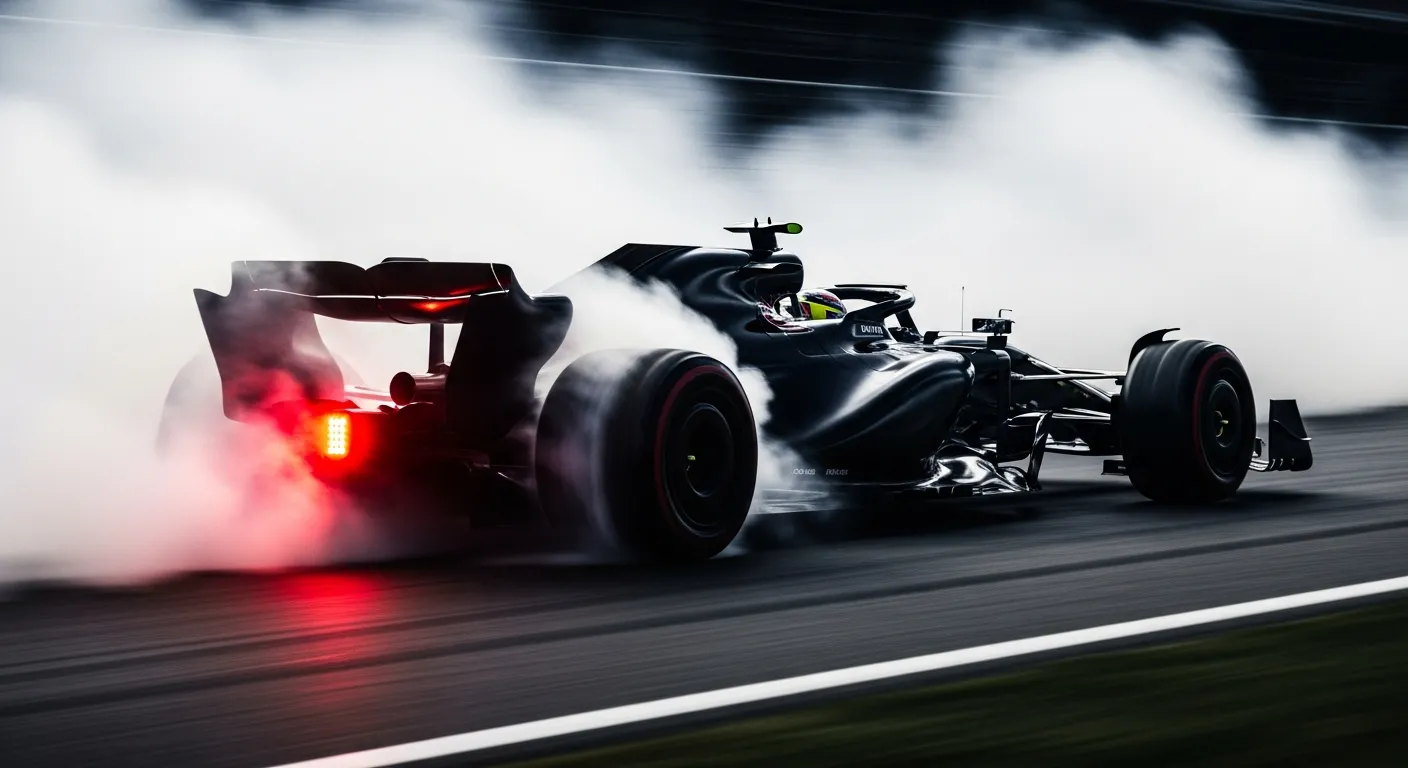
Carlos Sainz's performance at the 2021 Dutch Grand Prix on September 5, 2021, saw him convert a strong qualifying effort into a consistent points finish for Scuderia Ferrari at Circuit Park Zandvoort. Starting from 6th on the grid, Sainz completed 71 laps, ultimately crossing the finish line in 7th position, securing 6 championship points. This result placed him one lap down from the race winner, Max Verstappen, who delivered a commanding performance on home soil, captivating the local crowd.
The race itself was a high-intensity affair on the tight, undulating Zandvoort circuit, a track that demands precision and punishes errors with its banked corners and limited overtaking opportunities. Sainz's teammate, Charles Leclerc, started just ahead in 5th and managed to maintain that position through to the flag, finishing two places ahead of Sainz. This highlighted the competitive internal dynamic within the [Scuderia Ferrari](https://www.formula1.com/en/teams/Ferrari.html) camp, as both drivers consistently pushed for strong results in the midfield battle. The strategic decisions made throughout the race, including tire management on the challenging circuit, were critical for all competitors. For a deeper dive into the technical regulations governing these decisions and the broader framework of the sport, the [FIA — F1 World Championship](https://www.fia.com/events/fia-formula-one-world-championship) provides comprehensive documentation.
Sainz's fastest lap of the race, a 1:15.260, came on lap 45, placing him 13th overall in the fastest lap rankings. While not a benchmark pace, it was indicative of a controlled drive aimed at maximizing points. The midfield was particularly fierce, with drivers like [Fernando Alonso at the 2017 Hungarian Grand Prix](/results/2017-hungaroring-fernando-alonso), who finished 6th in this Dutch Grand Prix for Alpine, demonstrating his characteristic race craft to finish ahead of Sainz despite starting lower on the grid (9th). This battle for position underscored the competitive depth of the 2021 field. Similarly, the consistent pace shown by drivers such as [Pierre Gasly at the 2017 Hungarian Grand Prix](/results/2017-hungaroring-pierre-gasly) in other races often sets a high bar for midfield performance, making every point a hard-fought gain.
The 2021 season, as chronicled by [Wikipedia: Formula One](https://en.wikipedia.org/wiki/Formula_One), was a pivotal year with intense championship battles at the front and significant strategic plays throughout the grid. Sainz's 6 points from Zandvoort contributed to his overall tally, even as his championship position shifted from 6th to 7th after this round. Understanding the intricate data behind each race, such as that provided by [Jolpica/Ergast](https://api.jolpi.ca/ergast/f1/2026.json) for F1 season statistics, reveals the fine margins that separate drivers and teams. The race also saw a remarkable recovery drive from Sergio Pérez, who started from the pit lane and climbed to 8th, illustrating the strategic possibilities on race day and the importance of perseverance. This kind of competitive landscape is what defines the [Formula 1 — official site](https://www.formula1.com/en) experience for fans globally, offering narratives beyond just the front-runners. The performance of drivers like [Max Verstappen at the 2017 Hungarian Grand Prix](/results/2017-hungaroring-max-verstappen) in previous seasons often sets a benchmark for what's possible, even when starting from challenging positions. The Spanish driver maintained his focus throughout the 71 laps, avoiding significant incidents on a circuit known for its unforgiving nature. His result, while not a podium, represented a solid contribution to Scuderia Ferrari's constructor's championship efforts and demonstrated his ability to extract points under pressure. The strategic nuances, from pit stop timings to tire compound choices, are always under scrutiny, as seen in detailed race analyses available on the [Formula 1 official website](https://www.formula1.com/en).