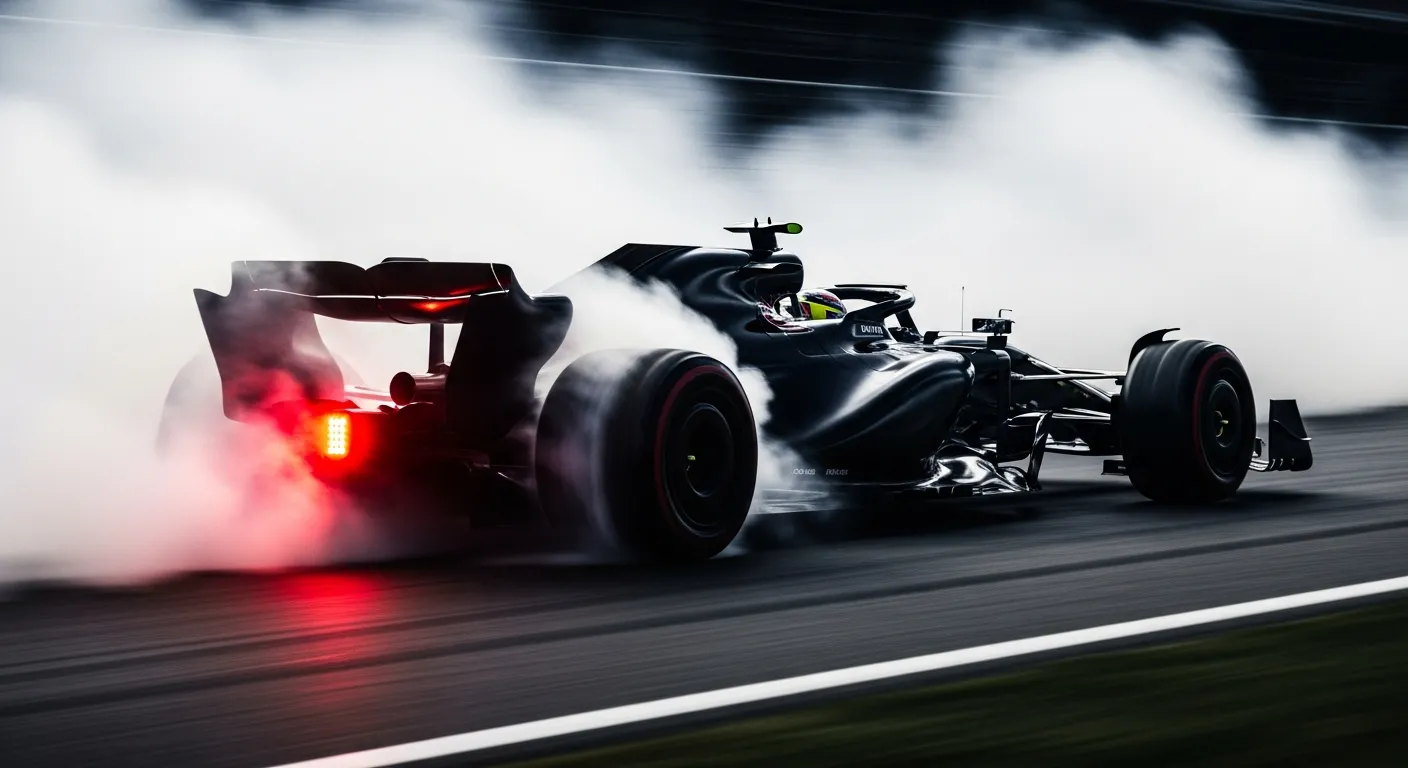
The 2021 Dutch Grand Prix saw Charles Leclerc deliver a consistent performance for Scuderia Ferrari, maintaining his starting grid position of fifth to secure valuable points on the demanding Zandvoort circuit. From the outset, Leclerc positioned his SF21 in the upper midfield, navigating the tight, undulating track with precision. He completed 71 laps of the race, ultimately classified as one lap down from the race winner, Max Verstappen, who completed 72 laps. This steady drive underscored Ferrari's efforts to consolidate their position in the constructors' championship, a key objective for the team as outlined on the [Formula 1 — official site](https://www.formula1.com/en).
Leclerc’s race pace was competitive, evidenced by his fastest lap of 1:14.780 on lap 58, which ranked as the ninth quickest overall. This demonstrated the potential of the Ferrari package on a circuit known for its unique challenges, a factor often discussed in broader analyses of [Formula One on Wikipedia](https://en.wikipedia.org/wiki/Formula_One). His teammate, Carlos Sainz Jr., started one position behind Leclerc in sixth and finished seventh, also completing 71 laps. This close proximity in performance highlighted a relatively strong weekend for the Italian outfit, securing a combined 16 points. While the top three positions were dominated by Red Bull and Mercedes, Leclerc's drive ensured Ferrari remained a consistent presence in the points, a pattern of performance that can be further examined through [Jolpica/Ergast — 2026 season data](https://api.jolpi.ca/ergast/f1/2026.json) for future comparisons. Drivers like [Yuki Tsunoda at the 2026 Spanish Grand Prix](/results/2026-barcelona-yuki-tsunoda) and [Nico Hülkenberg at the 2026 Spanish Grand Prix](/results/2026-barcelona-nico-hulkenberg) often face similar pressures to convert strong qualifying into race day points. The strategic calls made by Scuderia Ferrari during the race, particularly regarding tire management on the abrasive Zandvoort surface, were critical to Leclerc's outcome, a common theme in high-stakes races, as seen with [Max Verstappen at the 2026 Canadian Grand Prix](/results/2026-montreal-max-verstappen). The FIA's role in regulating such events ensures fair competition, a core tenet of the [FIA — F1 World Championship](https://www.fia.com/events/fia-formula-one-world-championship). Understanding the intricate details of each race result is crucial for tracking driver and constructor progress throughout a championship, with detailed statistics available on various [official Formula 1 resources](https://www.formula1.com/en/results.html) and historical data archives, providing context for every lap and strategic decision. These results are meticulously recorded, offering a comprehensive view of the season's unfolding narrative, and are subject to the rigorous scrutiny of the [FIA's sporting regulations](https://www.fia.com/sports/formula-1-world-championship/regulations/2021).