Fernando Alonso’s drive at the 2021 Dutch Grand Prix was a testament to his tactical acumen, converting a ninth-place grid start into a sixth-place finish at the challenging Circuit Park Zandvoort. On September 5, 2021, the Alpine F1 Team driver navigated the 71 laps of the race with a calculated aggression, securing eight crucial points. This performance saw him gain three positions from his starting slot, a significant achievement on a circuit where overtaking can be notoriously difficult. His fastest lap of 1:14.323, recorded on lap 60, positioned him seventh among all drivers for outright pace, underscoring his ability to push the [Alpine A521](https://www.formula1.com/en/teams/Alpine.html) late in the stint. The race was ultimately won by Max Verstappen, who completed 72 laps, with Alonso finishing one lap down, a common occurrence for midfield runners behind the dominant front-runners of that season. The strategic battle in the midfield was intense, with Alonso finding himself in direct contention with drivers like Charles Leclerc, who started fifth and finished fifth, and Carlos Sainz Jr., who started sixth but ultimately finished seventh. Alonso's ability to manage his tyres and execute his pit strategy effectively allowed him to leapfrog competitors. His consistent pace was a hallmark of his return to [Formula 1](https://www.formula1.com/en) in 2021, demonstrating that the two-time world champion had lost none of his competitive edge. The Alpine team's operational efficiency also played a role, ensuring clean pit stops and optimal strategy calls throughout the 72-lap event. For insights into the technical regulations governing such performances, the [FIA F1 World Championship](https://www.fia.com/events/fia-formula-one-world-championship) provides detailed documentation. Alonso's result was particularly impactful for the Alpine F1 Team, as his teammate Esteban Ocon also secured points, finishing ninth after starting eighth. This dual points finish provided a valuable boost to Alpine's constructors' championship standing, highlighting the team's growing consistency. The Zandvoort circuit, with its unique banked corners and unforgiving nature, demands a high level of driver skill and car setup. Alonso's experience shone through, allowing him to extract performance even as the race wore on. For more on the circuit's history and layout, consult [Circuit Park Zandvoort on Wikipedia](https://en.wikipedia.org/wiki/Circuit_Zandvoort). This kind of veteran performance draws parallels to his strategic drives in previous seasons, such as his effort at [Fernando Alonso at the 2014 Spanish Grand Prix](/results/2014-barcelona-fernando-alonso), where consistent execution was key. The broader historical context of [Formula One](https://en.wikipedia.org/wiki/Formula_One) often showcases how experienced drivers can leverage their understanding of race dynamics. The 2021 season was a fascinating period for driver performance metrics, and detailed race data, like the fastest lap rankings and lap counts, are meticulously compiled in [F1 data archives](https://api.jolpi.ca/ergast/f1/2026.json). Alonso’s lap 60 time of 1:14.323 was faster than his teammate Ocon's best of 1:14.675 on lap 54, indicating a strong late-race push. This contrasted with Lewis Hamilton's phenomenal fastest lap of 1:11.097 on the final lap, securing an extra point for Mercedes and demonstrating the outright pace at the very front of the field. Such detailed analysis of individual race performances, including those of rivals like [Lewis Hamilton at the 2014 Monaco Grand Prix](/results/2014-monaco-lewis-hamilton), helps illustrate the nuances of F1 competition. The ability to manage tire degradation while maintaining competitive lap times is a critical skill, especially on circuits with high-energy demands like Zandvoort. This race was a clear example of Alonso maximizing his package and delivering a strong midfield result. Read the full editorial
Race result · 2021
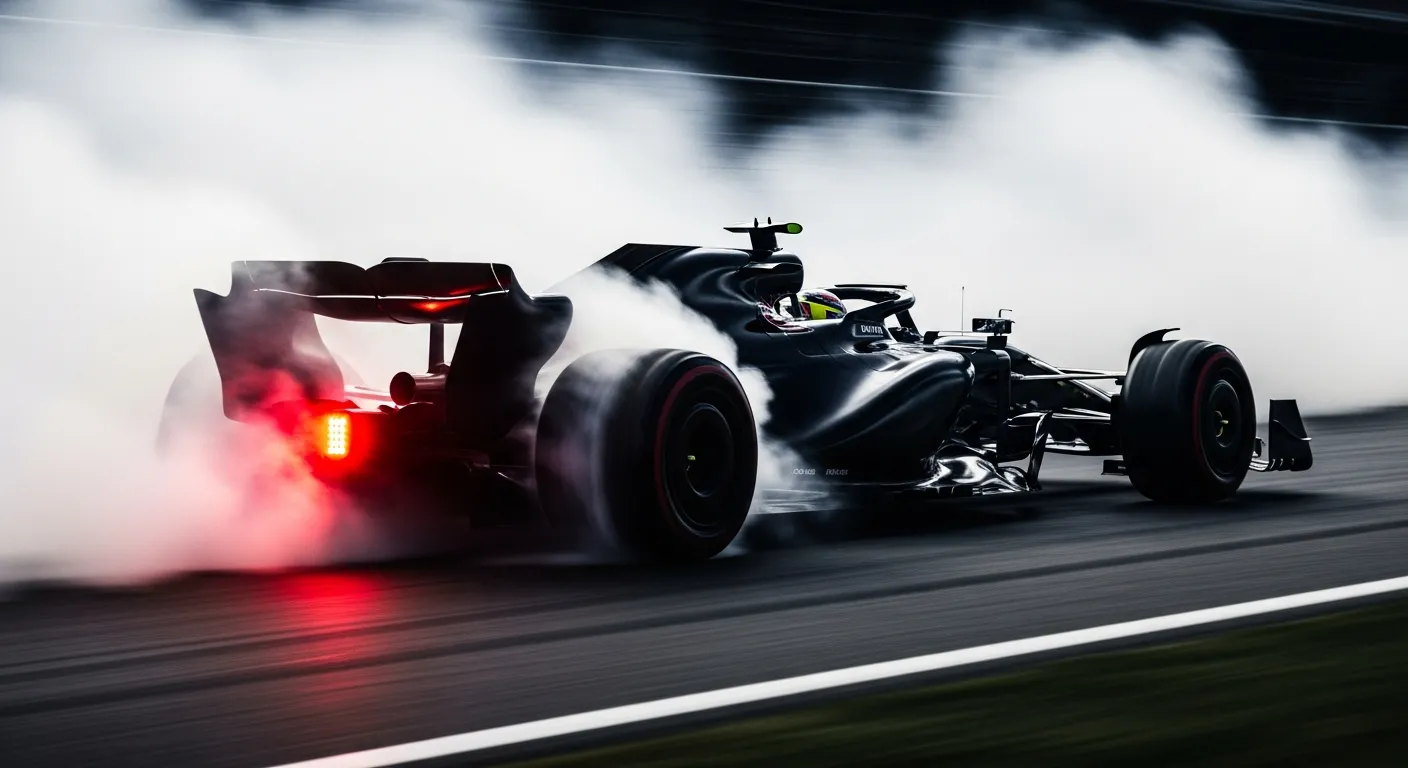
Fernando Alonso at the 2021 Dutch Grand Prix
Fernando Alonso delivered a strategic drive at the 2021 Dutch Grand Prix, climbing from a P9 start to secure P6 and eight points for Alpine, finishing one lap down.
- 6th
- 8 pts
- Alpine F1 Team