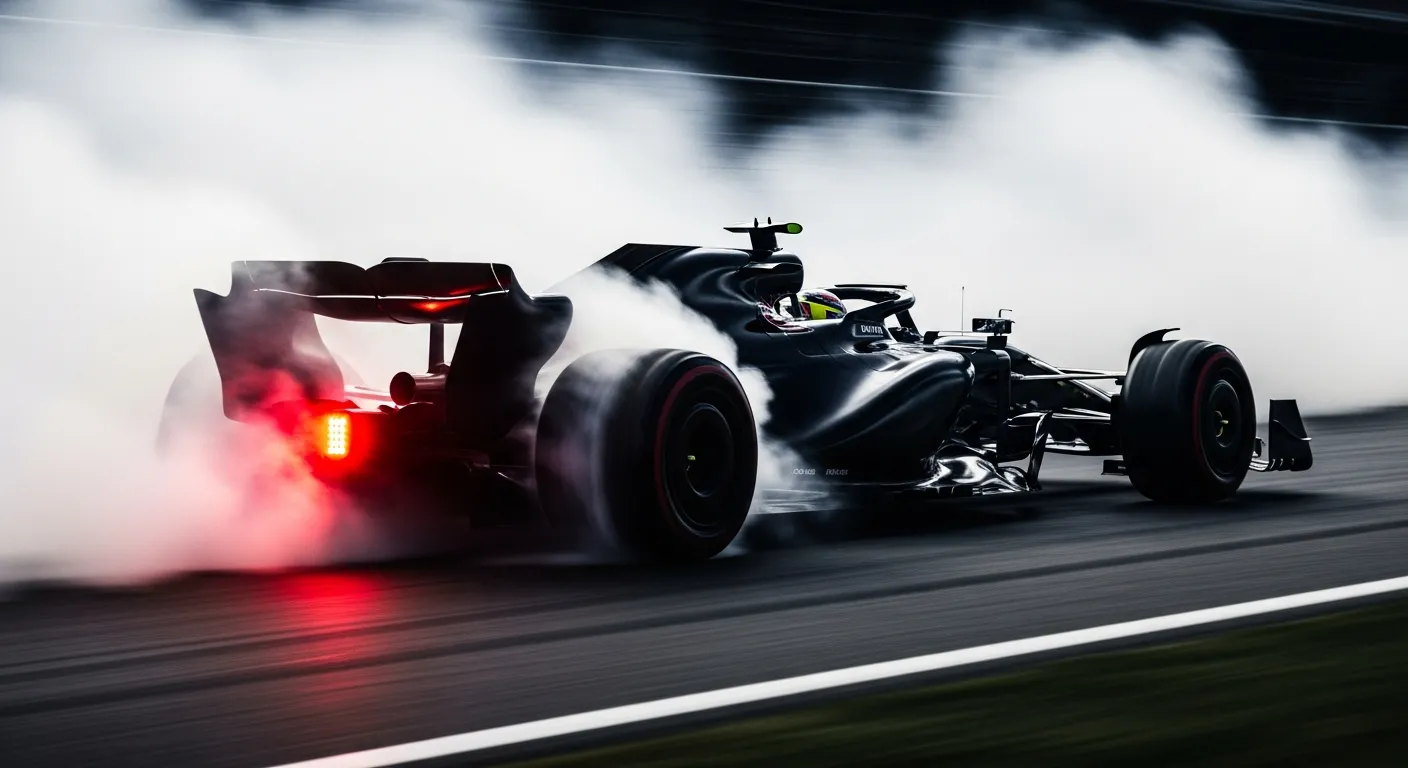
Fernando Alonso's performance at the 2022 Australian Grand Prix on April 10, 2022, was a study in unfulfilled potential, as a strong qualifying effort and race pace were ultimately undone by strategic misfortune and mechanical issues, culminating in a 17th place finish for the Alpine F1 Team driver. Starting from tenth on the grid, Alonso demonstrated a competitive edge throughout the 57 laps he completed, notably setting the second-fastest lap of the entire race on lap 57 with a time of 1:20.846. This raw pace, just behind race winner Charles Leclerc's fastest lap, underscored the potential of the Alpine A522 chassis and Alonso's enduring ability to extract performance. However, a safety car period, combined with a late-race issue that forced him to pit, dropped him down the order, resulting in him being classified one lap down. This outcome, yielding no points, stood in contrast to his teammate Esteban Ocon, who started eighth and secured a seventh-place finish, adding 6 points to Alpine's tally. The disparity highlighted the fine margins and strategic gambles that often define a Grand Prix, particularly on a circuit like Melbourne's Albert Park.
The narrative of Alonso's race was one of consistent pressure and a car capable of more. Despite the final classification, his ability to log a lap time so close to the ultimate pace of the field, even on the penultimate lap, offers a glimpse into the underlying performance that was not converted into championship points. For a veteran driver like Alonso, who has navigated many complex race scenarios throughout his career, including challenging races such as [Fernando Alonso at the 2015 United States Grand Prix](/results/2015-cota-fernando-alonso), the result in Australia was undoubtedly frustrating. The data from the [Formula 1 — official site](https://www.formula1.com/en) often reveals these nuanced stories beyond the final standings, showcasing moments of individual brilliance even in adverse circumstances. Understanding the broader context of [Wikipedia: Formula One](https://en.wikipedia.org/wiki/Formula_One) racing requires looking beyond just the points, to the underlying performance metrics. The detailed telemetry and timing data, often compiled by organizations like Ergast (which provides comprehensive [F1 season data](https://api.jolpi.ca/ergast/f1/2026.json)), illustrate how quickly fortunes can shift. This particular race served as a reminder that even with impressive pace, external factors can dictate a driver's final position, a challenge also faced by drivers like [Carlos Sainz at the 2015 United States Grand Prix](/results/2015-cota-carlos-sainz) when mechanical reliability or race incidents intervene.