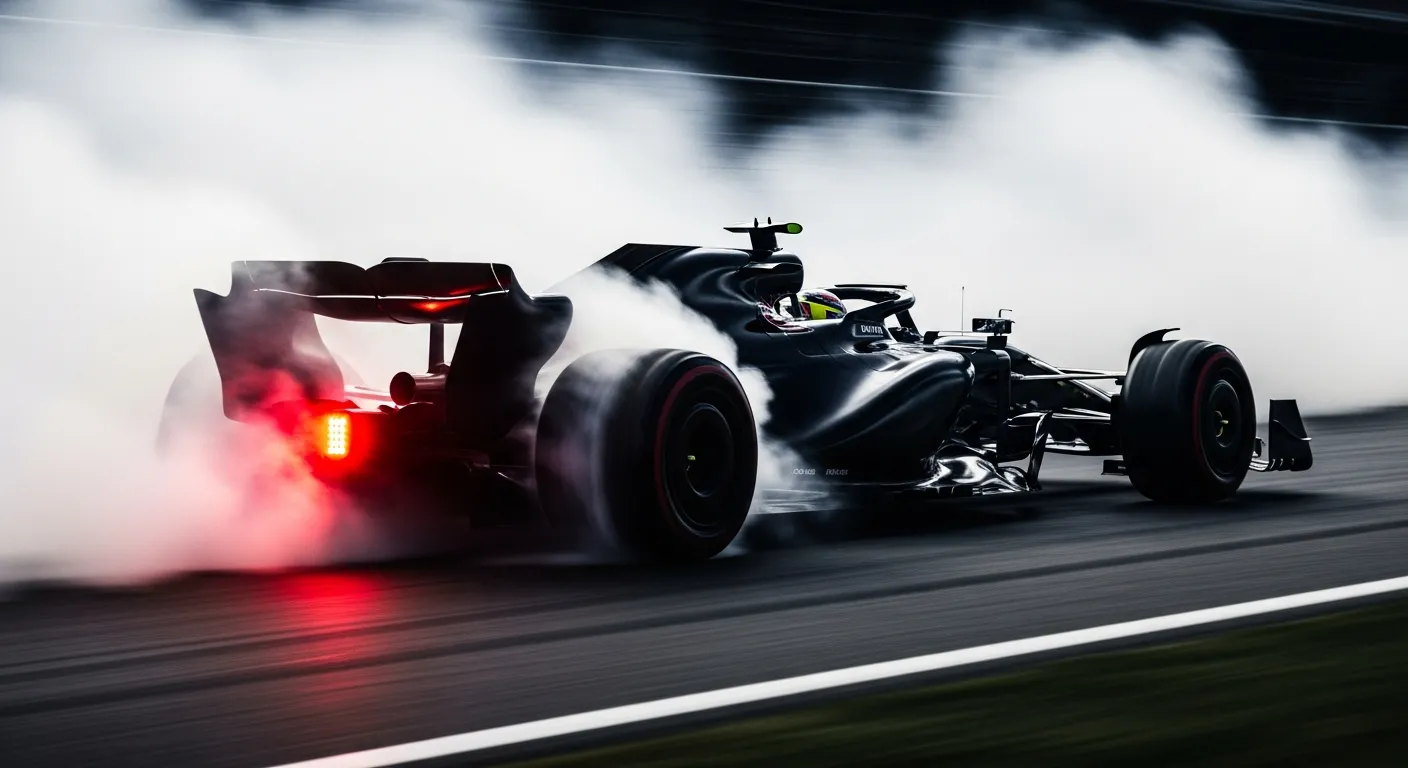
Pierre Gasly's drive at the 2022 Australian Grand Prix demonstrated a methodical progression through the field, securing points for Scuderia AlphaTauri from a midfield starting position. The Albert Park circuit, with its recent modifications, presented a fresh challenge, and Gasly, starting from P11, aimed to capitalize on any opportunities that arose within the competitive midfield.
He navigated the initial phases of the 58-lap race on the Melbourne Grand Prix Circuit with a focus on maintaining track position and managing tire wear. The AlphaTauri AT03, while not challenging the front-runners, showed consistent pace in the midfield. Gasly's ability to hold his own and gradually gain ground was crucial, especially considering the competitive nature of the 2022 season's early rounds. His fastest lap, a 1:22.731 on lap 52, placed him 13th in the overall fastest lap rankings, indicating a late-race push for performance as fuel loads lightened and track conditions evolved. This consistent effort contrasted sharply with the fortunes of other drivers, such as [Carlos Sainz Jr. at the 2022 Australian Grand Prix](/results/2022-australian-carlos-sainz-jr), who retired early after spinning off, highlighting the critical importance of reliability and clean execution throughout a Grand Prix. The strategic nuances of such a race can be further explored by examining performances like [George Russell at the 2021 Saudi Arabian Grand Prix](/results/2021-jeddah-george-russell), which also involved managing challenges from a midfield start and adapting to changing race dynamics.
Gasly ultimately crossed the finish line in ninth position, completing all 58 laps in 1:29:02.769, earning two valuable championship points for Scuderia AlphaTauri. This result marked a two-position gain from his P11 grid slot, a testament to his race craft and the team's strategic execution. His performance saw him outpace his teammate, Yuki Tsunoda, who started two positions behind at P13 and finished 15th, a lap down. The ability to finish ahead of his teammate and secure points was a positive outcome for the Italian constructor, especially as every point contributes to the constructors' championship. The result underscored AlphaTauri's capacity to extract points from competitive midfield battles, a common challenge in the [Formula 1 — official site](https://www.formula1.com/en) landscape. The detailed race data, available via resources like [Jolpica/Ergast — 2026 season data](https://api.jolpi.ca/ergast/f1/2026.json), provides a granular view of these performances, illustrating the subtle gains and losses throughout a Grand Prix. Understanding the broader context of F1 regulations, as outlined by the [FIA — F1 World Championship](https://www.fia.com/events/fia-formula-one-world-championship), helps to appreciate the technical challenges faced by teams like AlphaTauri in optimizing their packages for specific circuits. This race, part of the broader [Wikipedia: Formula One](https://en.wikipedia.org/wiki/Formula_One) championship, showcased the strategic depth required to succeed in a rapidly evolving technical environment, with comparisons to [Fernando Alonso at the 2021 Saudi Arabian Grand Prix](/results/2021-jeddah-fernando-alonso) revealing how different circuit characteristics and car packages influence driver strategies and outcomes in the pursuit of championship points.