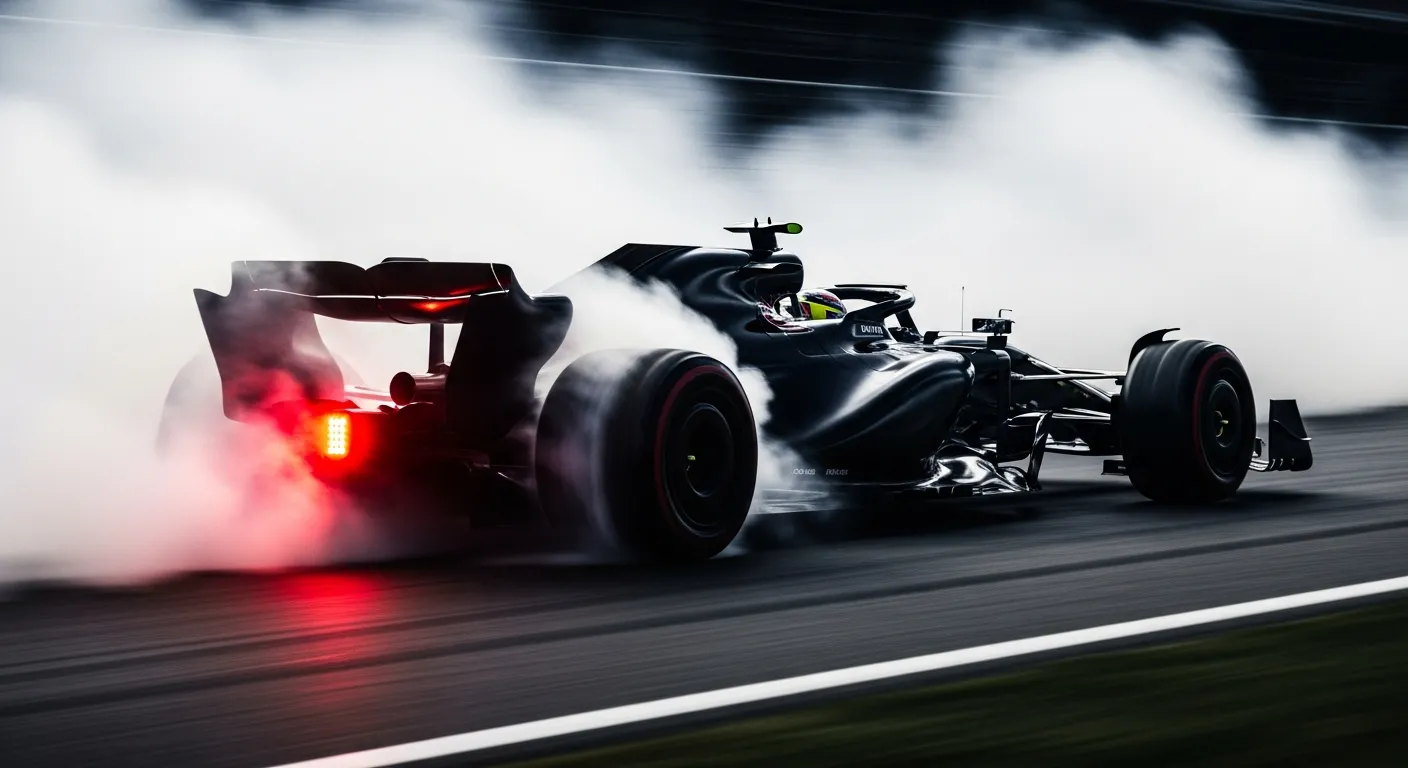
Esteban Ocon's outing at the 2022 Bahrain Grand Prix saw him convert an 11th-place grid start into a commendable seventh-place finish, securing six points for the Alpine F1 Team. This result, achieved over 57 laps with a total race time of 1:37:53.007, marked a solid start to the season for the French driver. His fastest lap, a 1:37.110 on lap 53, placed him 14th overall in that metric, indicating a consistent rather than outright pace-setting performance. The race itself was a dynamic affair, particularly in its closing stages, which significantly influenced Ocon's final standing as Formula 1 embarked on a new regulatory era. The latter part of the Grand Prix witnessed unexpected reliability issues for front-running competitors. Both Red Bull Racing drivers, Max Verstappen and Sergio Pérez, suffered fuel system failures in the final laps, leading to their retirements. This turn of events elevated Ocon from what might have been a lower points finish into seventh, showcasing the critical importance of reliability in the new technical landscape of [Formula 1](https://www.formula1.com/en). His teammate, [Fernando Alonso at the 2019 Japanese Grand Prix](/results/2019-suzuka-fernando-alonso), also finished in the points, securing ninth place, contributing to a double points finish for Alpine and underscoring the team's initial competitive footing. The 2022 season opener highlighted a fiercely contested midfield, where drivers like Ocon, much like [George Russell at the 2019 Japanese Grand Prix](/results/2019-suzuka-george-russell), often find themselves battling intensely for every position. Understanding the intricacies of race data and driver performance across different seasons, as compiled by sources like [Jolpica/Ergast — 2026 season data](https://api.jolpi.ca/ergast/f1/2026.json), provides valuable perspective on these competitive dynamics. The strategic nuances of such races, where unforeseen circumstances can heavily impact outcomes, are a constant factor in the broader history of [Formula One](https://en.wikipedia.org/wiki/Formula_One). A consistent drive, similar to the approach taken by [Pierre Gasly at the 2019 Japanese Grand Prix](/results/2019-suzuka-pierre-gasly), can often yield significant rewards when others falter, proving that reliability and steady execution are as crucial as raw pace.
Verified race record · Ergast
Grid