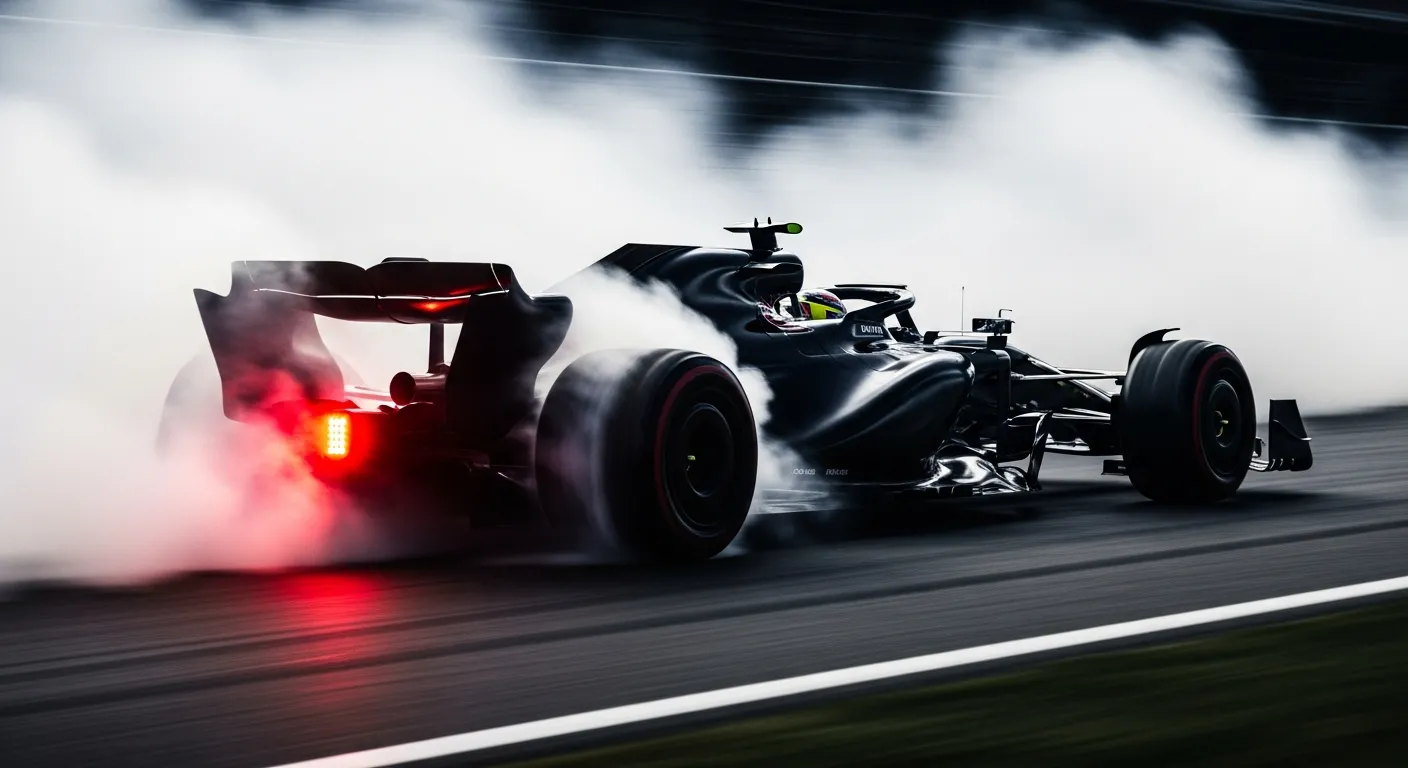
Lando Norris's performance at the 2022 Bahrain Grand Prix marked a challenging start to the season for McLaren Racing, with the MCL36 clearly lacking the foundational pace to contend for championship points. Starting from 13th on the grid, Norris navigated the entirety of the 57-lap race at the Bahrain International Circuit, ultimately crossing the finish line in 15th position. This outcome, yielding no championship points, underscored the significant difficulties the Woking-based team faced in adapting to the sweeping new technical regulations introduced for the 2022 [Formula 1 — official site](https://www.formula1.com/en) season. The ground effect aerodynamics and revised car designs presented a steep learning curve, and McLaren appeared to be on the back foot from the outset. Norris's fastest lap of 1:36.988, recorded on lap 51, placed him 12th in the overall fastest lap standings for the race, indicating isolated moments of potential despite the car's general performance deficit. The race itself saw considerable drama, particularly with the late retirements of both Red Bull cars due to fuel system issues, which might have offered a slight upward shift in positions for some competitors. However, the McLaren's underlying pace kept Norris firmly outside the points-paying positions throughout the event. For direct comparison, his teammate Daniel Ricciardo finished just ahead in 14th, having started from 18th, highlighting a consistent struggle across the garage. This inaugural round of the [FIA — F1 World Championship](https://www.fia.com/events/fia-formula-one-world-championship) for 2022 saw many teams grappling with the new car philosophy, and McLaren was visibly among those facing an uphill battle early on.
The Bahrain Grand Prix served as a stark indicator of the substantial development curve McLaren would need to climb throughout the 2022 campaign. While Norris completed all 57 laps, his total race time of 1:38:29.919 was over a minute behind the race winner, Charles Leclerc, a significant margin in modern F1. This gap, combined with a grid position of 13th and a finishing position of 15th, painted a clear picture of the MCL36's competitive standing at the season opener. The team's engineers would have been meticulously poring over the telemetry and [Jolpica/Ergast — 2026 season data](https://api.jolpi.ca/ergast/f1/2026.json) (and similar historical data) to understand the aerodynamic inefficiencies and overall car balance issues. Such early season struggles are not uncommon in [Wikipedia: Formula One](https://en.wikipedia.org/wiki/Formula_One), especially with significant rule changes, but for a team with McLaren's historical pedigree and aspirations, it was a sobering start. The challenge was not unique to McLaren; other teams also struggled, while some, like Haas, surprised with strong performances. Looking ahead, drivers like [Lando Norris at the 2026 Spanish Grand Prix](/results/2026-barcelona-lando-norris) and his future teammate [Oscar Piastri at the 2026 Spanish Grand Prix](/results/2026-barcelona-oscar-piastri) would undoubtedly hope for a more competitive package from the outset of their respective seasons. The performance differential was evident even against midfield rivals; for instance, George Russell, who would later emerge as a consistent front-runner, also had a strong showing at the 2022 Bahrain Grand Prix, finishing 4th, demonstrating the varied fortunes of British drivers on the grid. This race undeniably set the tone for a season where McLaren would fight to regain its footing, a narrative that would unfold over subsequent rounds. The data from this inaugural race provided critical benchmarks for the team's subsequent development efforts, guiding their approach to aerodynamic efficiency and overall car balance. The extensive analysis of race data is a cornerstone of modern F1, as detailed by various technical publications and the [official F1 technical regulations](https://www.formula1.com/en/latest/article.formula-1-technical-regulations-2022.6xY1yFz9p4lWf3b8h8S6g.html). Furthermore, understanding the nuances of tire degradation and strategy, as often discussed on the [Pirelli Motorsport site](https://www.pirelli.com/motorsport/en/f1/home), would have been paramount for McLaren in their post-race assessment.