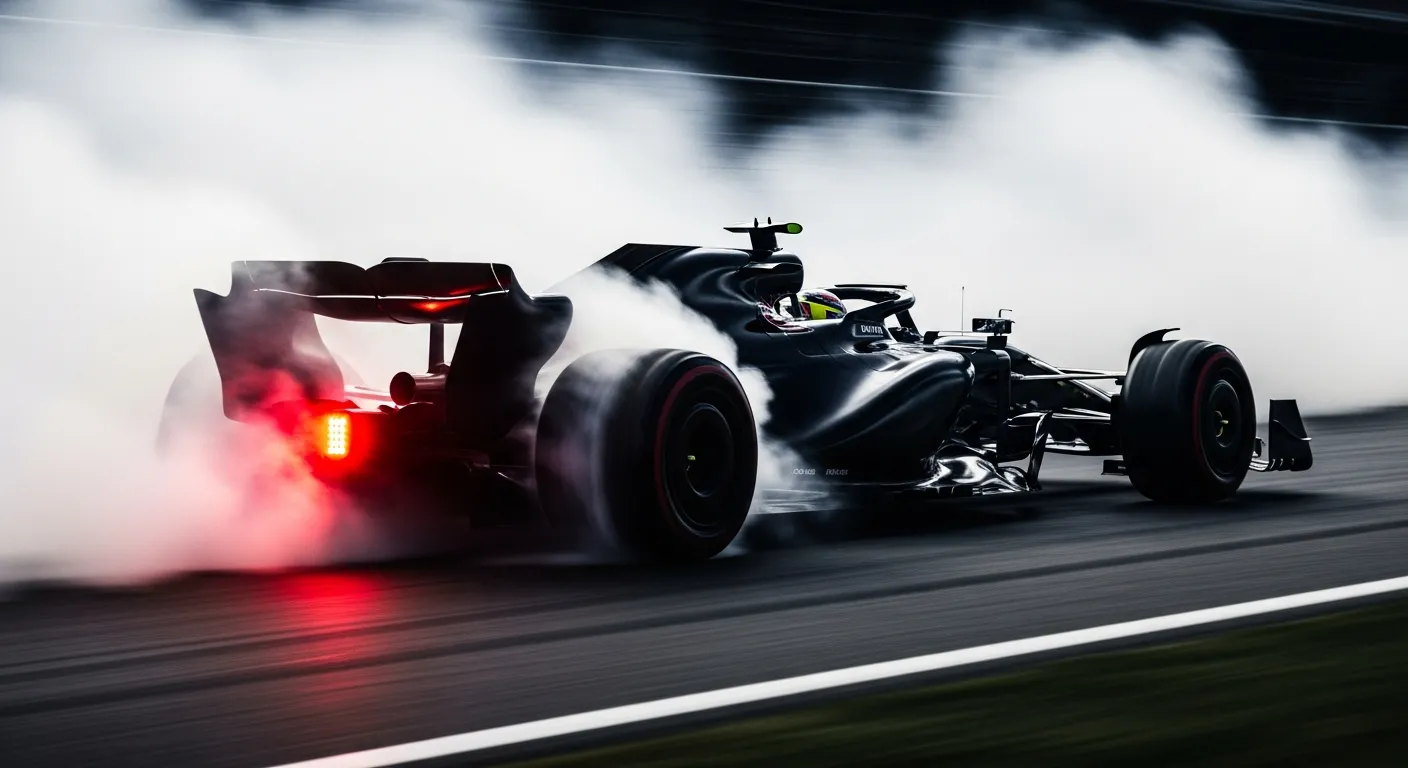
Nico Hülkenberg's appearance at the 2022 Bahrain Grand Prix marked an unscheduled return to a Formula 1 race seat, deputizing for Aston Martin in the season opener. Stepping into the AMR22 on short notice, Hülkenberg started the race from 17th on the grid at the Bahrain International Circuit, a position that immediately underscored the challenges facing the Aston Martin team at the outset of the new regulatory era. His performance across the 57-lap event was a testament to his professionalism and experience, navigating the complex demands of the new generation of cars. He managed to maintain his starting position, crossing the finish line in 17th place with a total race time of 1:38:37.413. This consistent, albeit unrewarded, drive saw him complete every lap, a fundamental objective for any driver in a new car and an unfamiliar environment. His fastest lap of the race, a 1:38.201 recorded on lap 49, positioned him 19th in the overall fastest lap rankings, offering a specific data point on the car's raw pace during race conditions. This unexpected outing provided valuable feedback for the Aston Martin engineers on the car's behavior under race loads, particularly crucial given the significant aerodynamic and power unit changes introduced for the 2022 season, information vital for the [Formula 1 — official site](https://www.formula1.com/en) and its technical partners. The data collected from such races is meticulously analyzed, influencing future car development and strategy, a process detailed in various technical reports from the [FIA — F1 World Championship](https://www.fia.com/events/fia-formula-one-world-championship).
The context of Hülkenberg's race becomes clearer when considering the performance of his teammate, Lance Stroll. Stroll, starting two positions behind Hülkenberg from 19th on the grid, managed to advance to 12th by the checkered flag, finishing with a time of 1:38:19.457. This internal comparison within the Aston Martin garage highlighted the initial competitive standing of the British constructor. While neither driver scored points, Stroll's ability to gain seven positions suggested a degree of potential within the AMR22, even if it was not yet sufficient to challenge for the top ten. The broader field saw significant shifts, including the unfortunate double retirement of the Red Bull cars in the closing laps due to fuel system issues, which elevated several midfield runners. This dynamic race, the first under the new technical directives, provided a rich dataset for all teams, as captured in comprehensive historical race results available via the [Jolpica/Ergast — 2026 season data](https://api.jolpi.ca/ergast/f1/2026.json). Hülkenberg's role as a reliable substitute has been a recurring theme in his career, a situation not dissimilar to how other reserve drivers might be called upon, such as [Pierre Gasly at the 2025 Italian Grand Prix](/results/2025-monza-pierre-gasly) or [Alexander Albon at the 2025 Italian Grand Prix](/results/2025-monza-alex-albon) in future seasons. The strategic implications of this first race, from tire degradation to pit stop timings, were under intense scrutiny by the [FIA — F1 World Championship regulations](https://www.fia.com/events/fia-formula-one-world-championship) and teams alike, as they began to understand the new era of Formula 1, a subject often discussed on [Wikipedia: Formula One history](https://en.wikipedia.org/wiki/Formula_One). His experience was undoubtedly a factor in completing the race without incident, a valuable contribution even without championship points, particularly when considering the challenges faced by others like [Esteban Ocon at the 2025 Italian Grand Prix](/results/2025-monza-esteban-ocon) in their own race narratives. Further statistical insights into driver and constructor performances can be found on [Formula 1 official statistics](https://www.formula1.com/en/results.html).