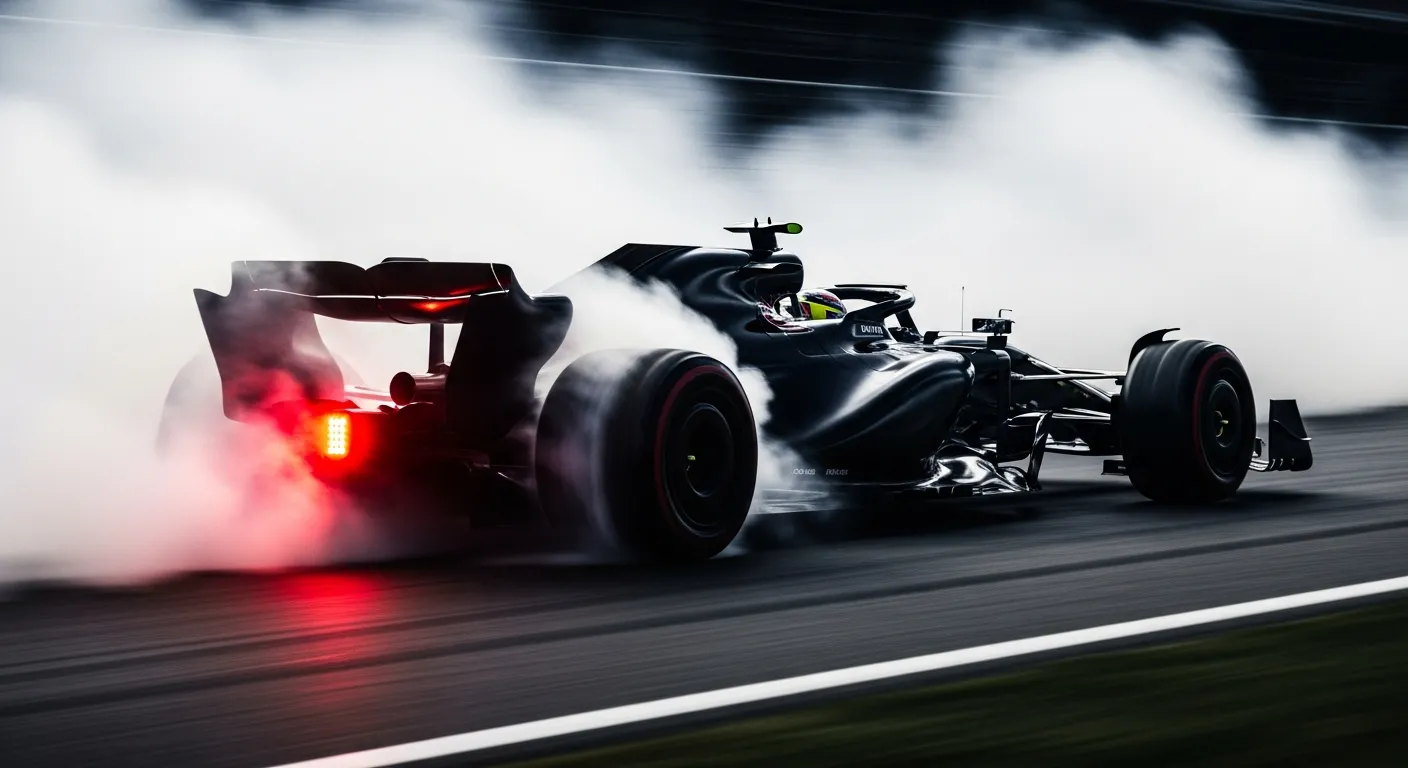
Max Verstappen's victory at the 2022 Hungarian Grand Prix was a masterclass in strategic execution and on-track performance, converting a P10 grid start into a dominant win for Red Bull Racing. On July 31, 2022, at the tight and technical Hungaroring circuit in Budapest, Verstappen's race began with a significant challenge, starting from the fifth row of the grid. The circuit's characteristics typically make overtakes difficult, yet the Dutch driver demonstrated exceptional racecraft and the potent capabilities of his Red Bull RB18, navigating through the field with precision. The 70-lap race saw Verstappen manage his tires and strategy effectively, ultimately crossing the finish line in a time of 1:39:35.912, securing all 25 available points. His performance underscored the team's ability to adapt and execute under pressure, a hallmark of their 2022 campaign, which can be further explored on the [Formula 1 — official site](https://www.formula1.com/en).
The strategic choices made by Red Bull Racing were pivotal, allowing Verstappen to capitalize on opportunities as they arose. While his fastest lap of 1:22.126 on lap 45 ranked sixth overall, it was his consistent pace and intelligent tire management throughout the race that truly set him apart. This contrasted with his teammate [Sergio Pérez at the 2022 Hungarian Grand Prix](/results/2022-hungary-sergio-perez), who started P11 and finished P5, contributing valuable points to the constructor's championship. The race also saw strong performances from Mercedes, with Lewis Hamilton finishing P2 and George Russell, who started from pole, taking P3. Ferrari's Carlos Sainz, who had a strong showing at the [2019 Japanese Grand Prix](/results/2019-suzuka-carlos-sainz), finished P4 here. Verstappen's ability to overcome a mid-pack start at a circuit like the [Hungaroring](https://en.wikipedia.org/wiki/Hungaroring), known for its demanding nature, highlighted his growing maturity and confidence. This result further cemented his position at the pinnacle of the [FIA — F1 World Championship](https://www.fia.com/events/fia-formula-one-world-championship) standings. For a broader understanding of Formula One's technical regulations and historical context, the [Wikipedia: Formula One](https://en.wikipedia.org/wiki/Formula_One) page offers comprehensive details. The detailed race results, including lap times and positions for all drivers such as [Esteban Ocon at the 2019 Japanese Grand Prix](/results/2019-suzuka-esteban-ocon), are meticulously recorded, with historical data often compiled by resources like [Jolpica/Ergast — 2026 season data](https://api.jolpi.ca/ergast/f1/2026.json) for future reference. This particular race was a testament to how crucial every strategic call and on-track maneuver is in securing championship points, especially when starting outside the top five. The full 2022 season results can be reviewed on the [official F1 results archive](https://www.formula1.com/en/results.html/2022/races.html).