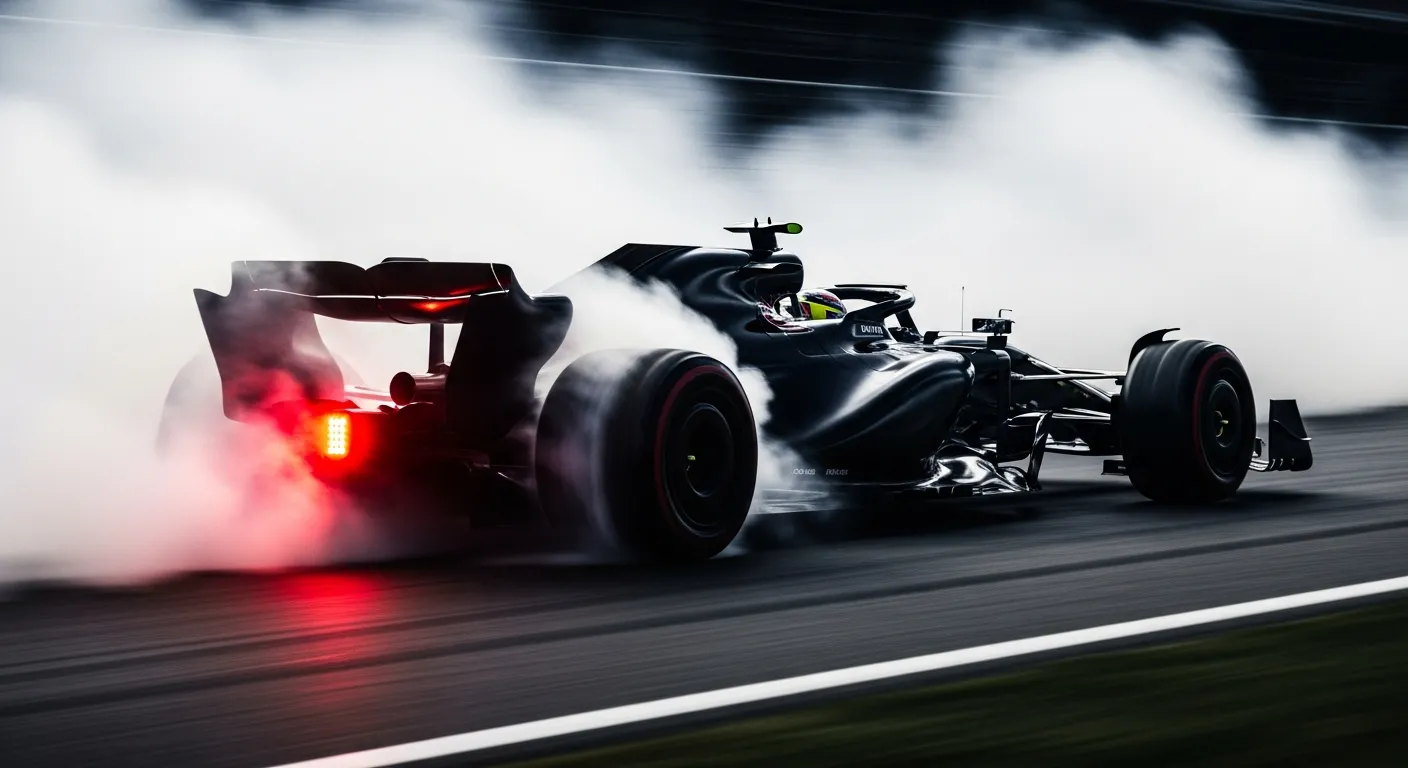
Fernando Alonso's 2022 Singapore Grand Prix campaign, which began with a promising grid position of 5th for Alpine F1 Team, concluded early with an engine retirement on lap 20. The challenging Marina Bay Street Circuit, known for its demanding conditions and high rate of attrition, presented an opportunity for Alonso to convert his strong qualifying performance into significant championship points. He had demonstrated consistent pace in the initial phase of the race, navigating the wet-to-drying track conditions with his characteristic precision. His fastest lap of 2:00.463, recorded on lap 19, underscored his competitive rhythm just before the mechanical fault intervened. This DNF marked a significant setback for the Spanish driver and the French constructor, particularly as his teammate Esteban Ocon also retired from the race due to an engine issue on lap 26, signaling a potentially broader reliability concern for Alpine at this demanding event.
The double engine failure for Alpine underscored the brutal nature of the Singapore night race, where high humidity and a stop-and-go layout place immense stress on power units. Alonso, a veteran of the sport and known for his ability to extract performance even from challenging machinery, had been running competitively within the points-paying positions before the mechanical fault forced his withdrawal. His early exit meant zero points for his championship tally, a stark contrast to drivers like [Max Verstappen at the 2025 Chinese Grand Prix](/results/2025-shanghai-max-verstappen), who often convert strong starts into decisive finishes, even in chaotic conditions. The technical complexities of modern Formula 1 engines, encompassing intricate hybrid systems and demanding thermal management, are extensively detailed on the [Formula 1 — official site](https://www.formula1.com/en), explaining how even minor component failures can lead to race-ending incidents. For a deeper dive into the historical context of engine reliability and the evolution of power unit regulations in the sport, the [Wikipedia: Formula One](https://en.wikipedia.org/wiki/Formula_One) page offers valuable insights into the engineering challenges faced by teams. This particular weekend highlighted the fine margins in F1, where a strong qualifying effort can be undone by unforeseen mechanical issues, leaving drivers and teams with unfulfilled potential. The raw data for race results, such as the comprehensive archives found on [Jolpica/Ergast — 2026 season data](https://api.jolpi.ca/ergast/f1/2026.json), consistently illustrates the high rate of attrition at certain circuits, particularly street tracks like Marina Bay. Such events can dramatically shift championship narratives, impacting not just individual drivers but also the constructors' standings, a factor that Alpine would have been acutely aware of as the 2022 season progressed. The incident also draws parallels to other races where reliability has played a critical role, affecting even front-runners, much like how [Charles Leclerc at the 2025 Chinese Grand Prix](/results/2025-shanghai-charles-leclerc) might face unexpected challenges despite demonstrating strong pace. The relentless pace of development in F1 means that teams are constantly pushing the boundaries of engineering, sometimes at the expense of durability, a balance that Alpine clearly struggled with on this demanding street circuit. The disappointment for Alonso was palpable, especially considering the car's potential shown in qualifying and the fact that a solid points finish was well within reach. This kind of mechanical retirement is a stark reminder that even the most experienced drivers, like [Lando Norris at the 2025 Chinese Grand Prix](/results/2025-shanghai-lando-norris) who consistently battles for strong results, are ultimately reliant on the intricate machinery beneath them.